Featured

Goodbye, Alicante

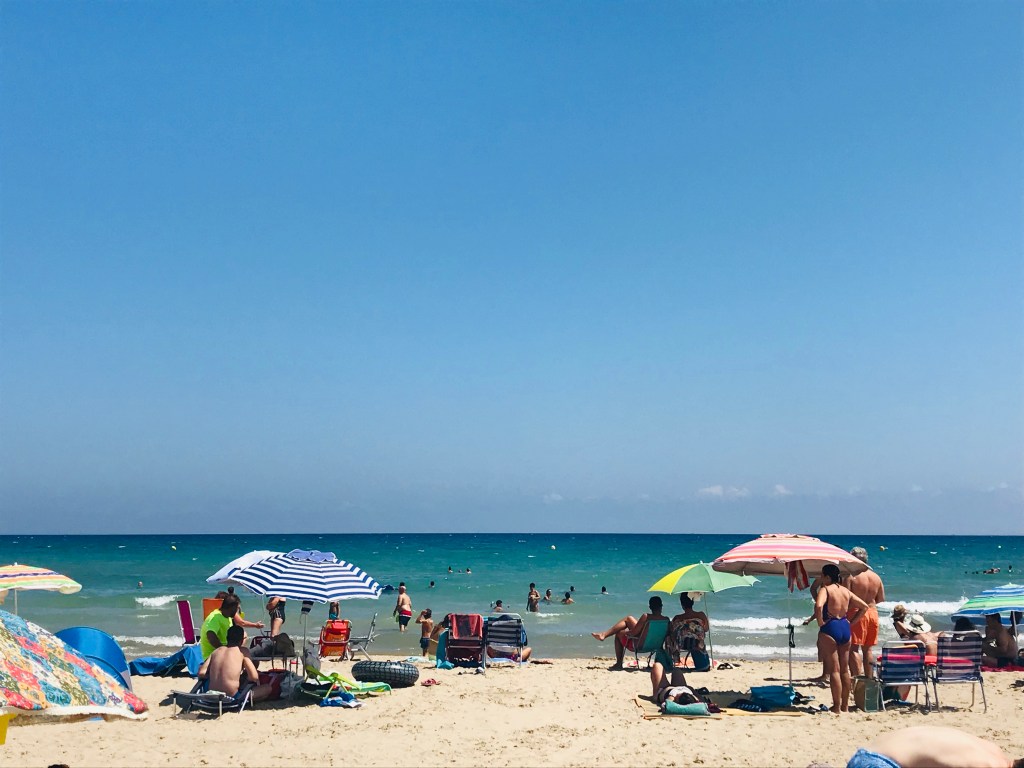
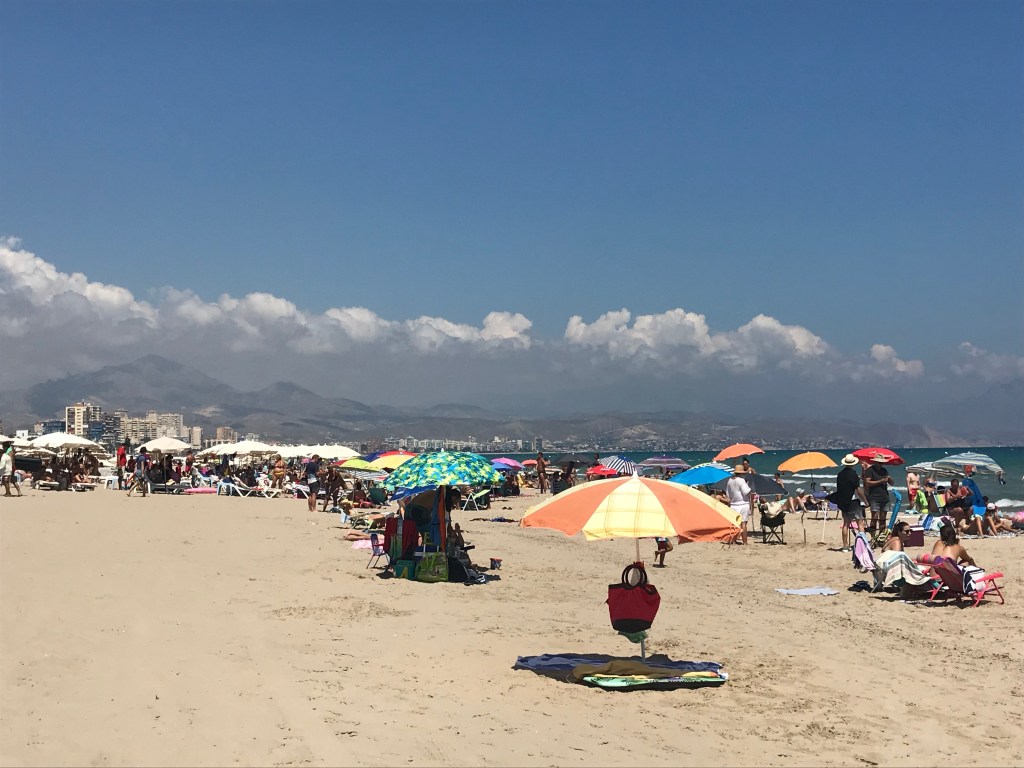
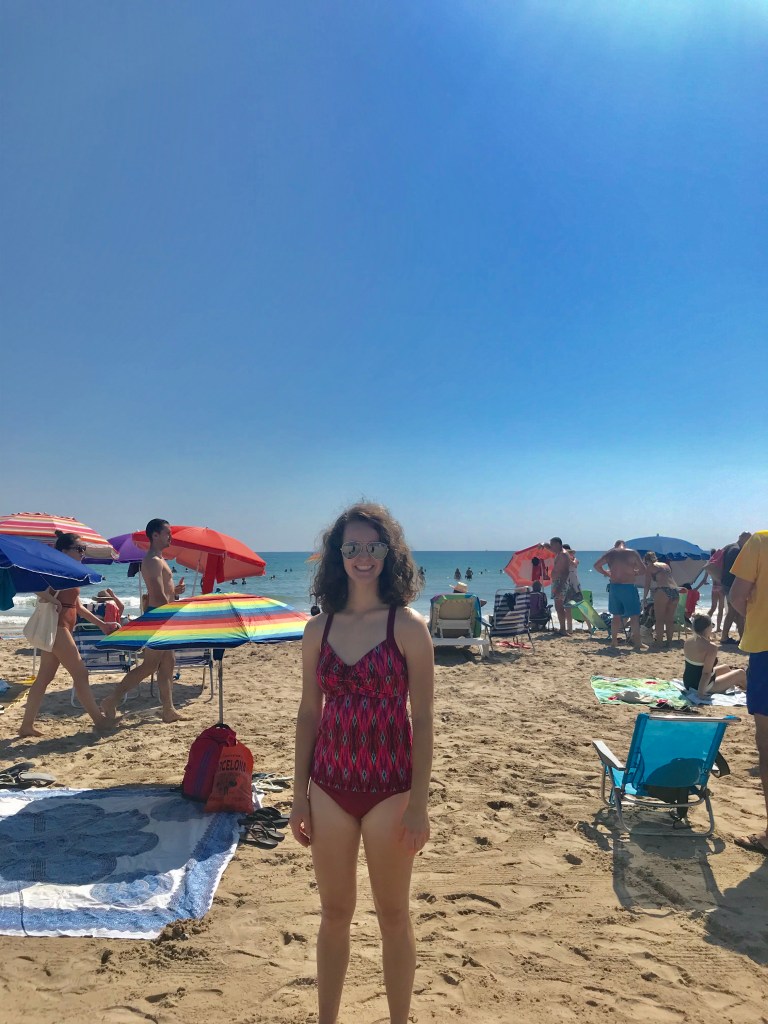
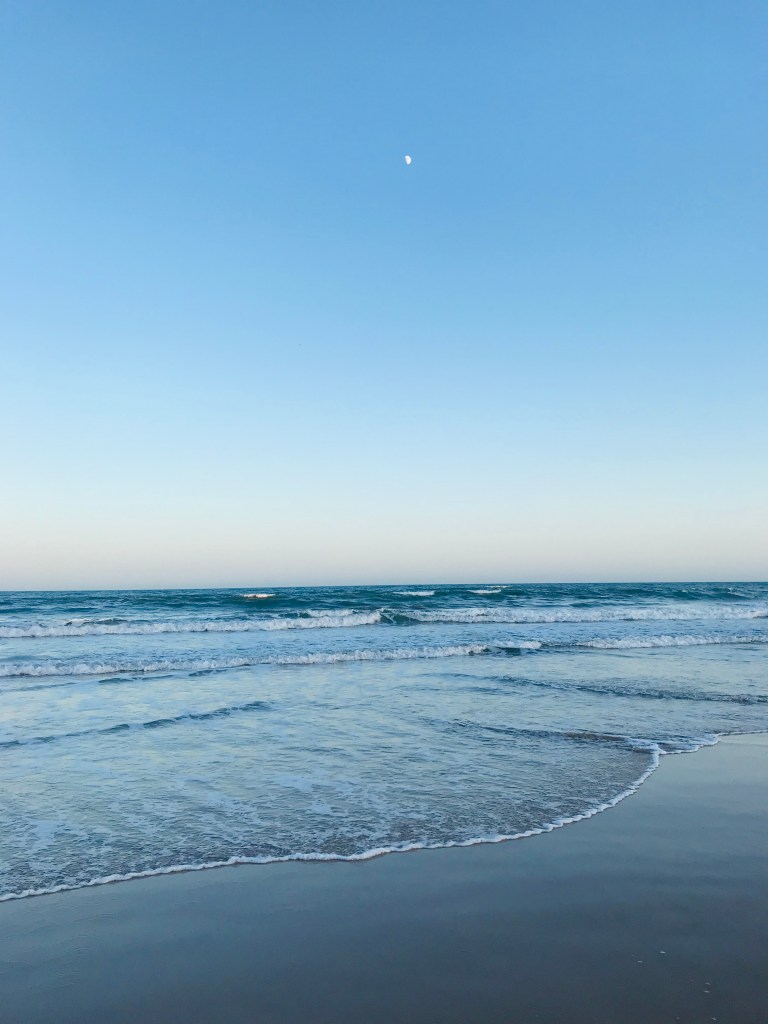
Costa Blanca beach, featuring the moon

Well, this is it! My last blog post! How crazy is that?

This semester has definitely been a ride — absolutely nothing like I had expected but full of its own unique blessings. I’ve grown in so many ways, not just with my Spanish skills (although those have certainly increased) but also within myself.

I’m going to divide this blog post into two sections in order to try and organize my final reflections and thoughts about my time in Spain: thoughts on the study abroad experience and how I’ve grown.

Thoughts on the study abroad experience

I already know that one of the questions I’m going to be asked a lot when I get back is: “Would you recommend study abroad to students having been on one yourself?”

It’s a complicated question to answer, especially because it’s hard to give a point-blank yes or no answer; study abroad is going to be different for every student depending on their personality and program.

But, knowing what I know now (having experienced one type of study abroad for a semester), I think that, yes, I would recommend study abroad to students who want to further their language skills WITH the following questions to consider beforehand. (I didn’t really think about these questions before deciding to do study abroad, but — reflecting now — I think they’re vital to consider because they deal with stuff that hugely impacts the experience.)

  • Do a little research into the food culture of the country you’re considering studying in. Do you think you’ll like most of it? (Of course, you’re not going to like ALL of the food from said country, but it’s important to know that you’ll be able to find places to eat and won’t starve. For example, if you don’t love fish, maybe don’t plan to study in a place where fish is a staple food.)
  • Do you know someone (from your home university, most likely) that will be in the same program as you? For students thinking about study abroad, I would suggest a buddy system, that is, have someone in your program that you already know and feel semi-comfortable around. You don’t have to be best friends with this person, but having someone you already know will be an immense help in those first couple of weeks as you’ll have someone you feel comfortable exploring with. Obviously, you will make new friends and you are not obligated to keep hanging out with this person, but new friends take some time and it’s not fun to be cooped up without people to do things with. Having a buddy from the start will be a huge blessing.
  • Do some research on the culture of the country beforehand too. Is the country generally extroverted? Introverted? What do they typically like to do with their free time? I think this is the thing I wish I would have researched the most before coming. Spain is a very extroverted country and I am definitely not an extroverted person, which made adapting to a foreign culture just that much harder. Not impossible, but harder. Doing some research into this beforehand will help you make an educated decision about where to study abroad, and if you decide to go to a country with opposite tendencies, at least you are aware of them.

How I’ve Grown

Aside from my language skills, I think the biggest way I’ve grown this semester is growing into deeper knowledge about myself. I now know that I’m capable of a lot more than I think I am (i.e. navigating an entire semester by myself in a foreign country) and that, above all, I really value independence. For example, I like to be able to do laundry for myself, rather than have someone else do it for me (I know, crazy, right?).

I’m hoping that I can take this new knowledge of myself with me into the next chapters of my life: living in a real-life apartment for the first time, finishing my final two semesters of undergrad at Belmont, and on.

I’m so blessed to have been able to experience this opportunity (although at some points it was really, really hard) and see God’s faithfulness and strength continuously at work. Thank you all for joining me on this journey and sending me prayers and little reminders of home — they were greatly appreciated!

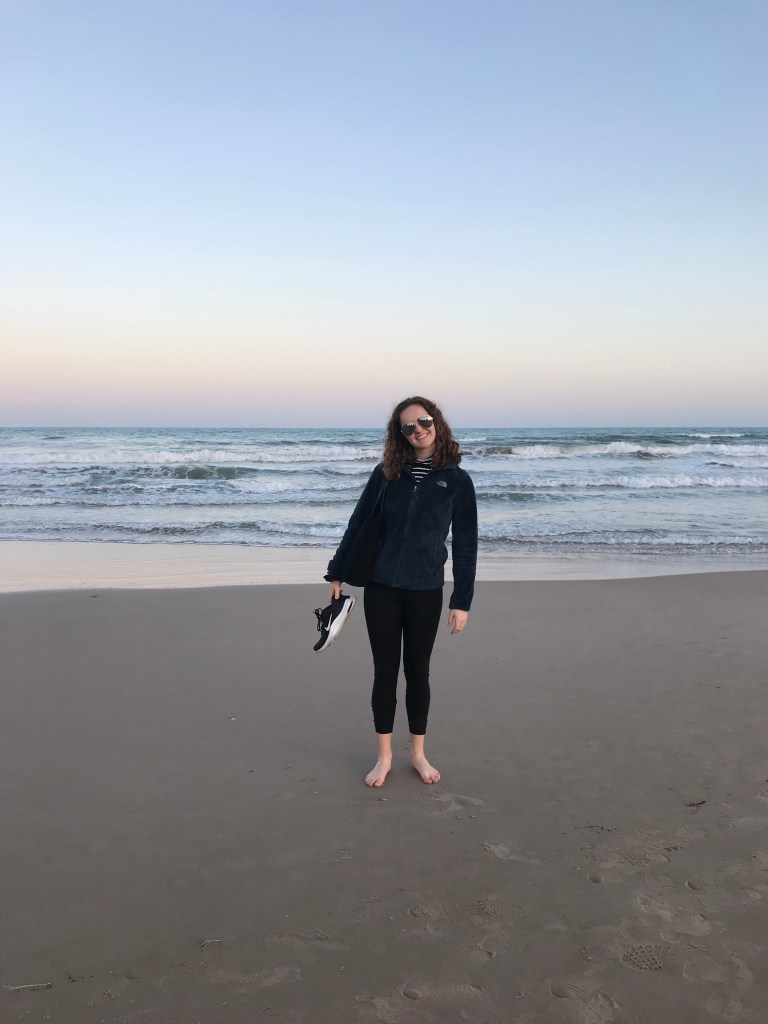
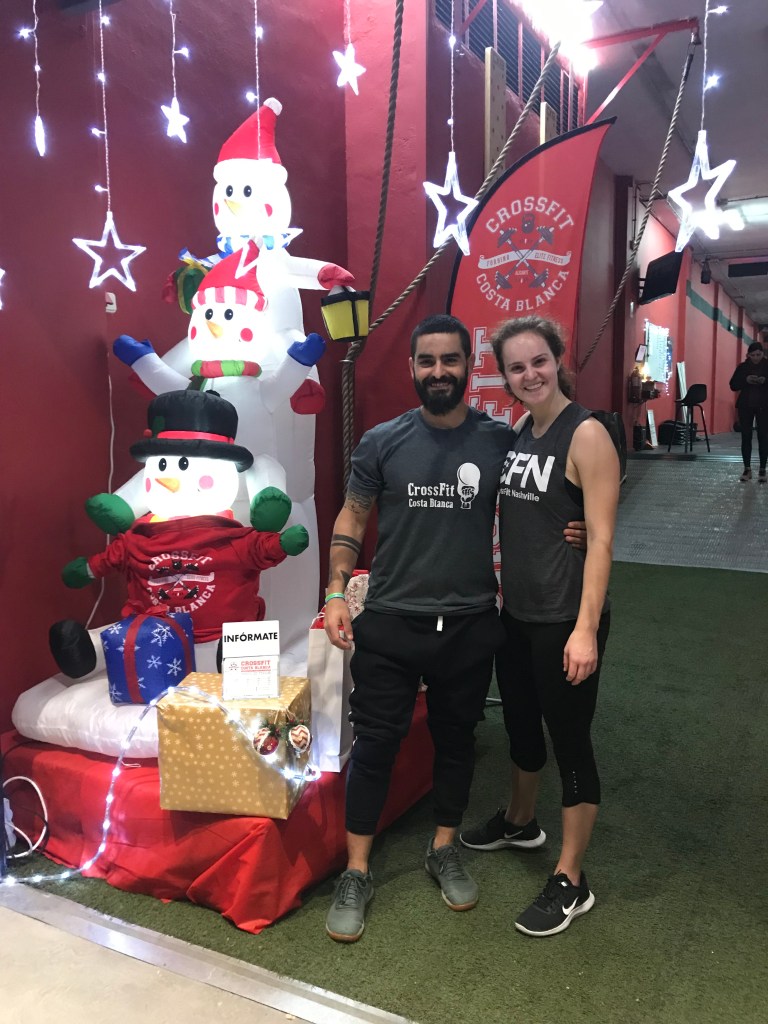
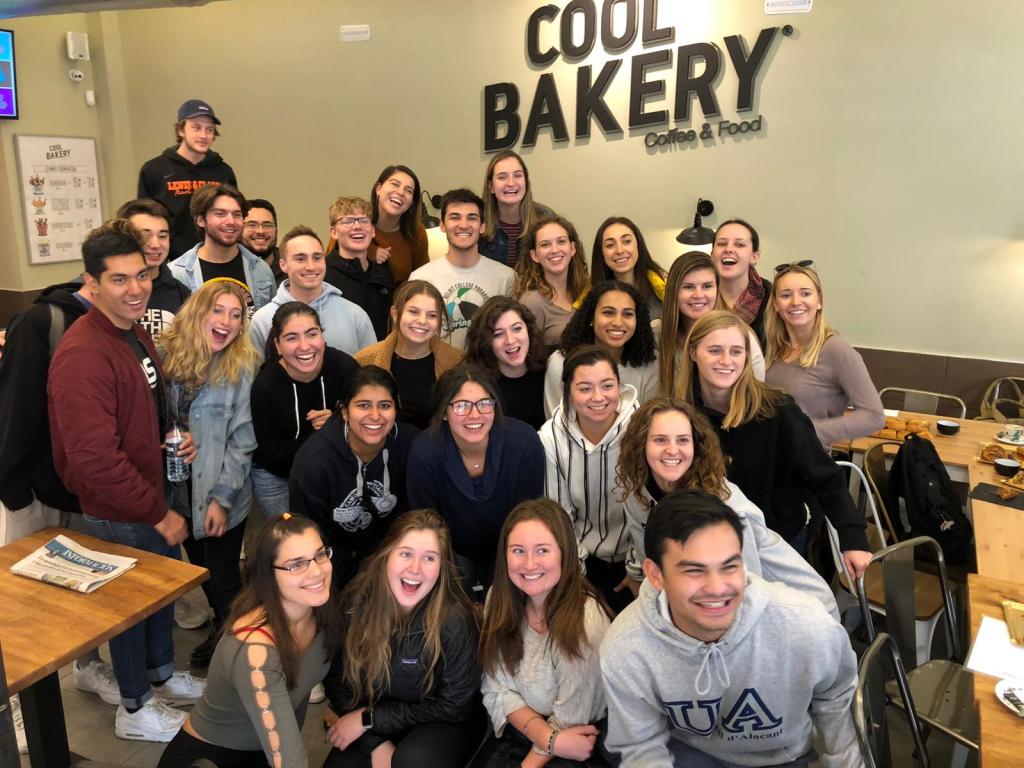
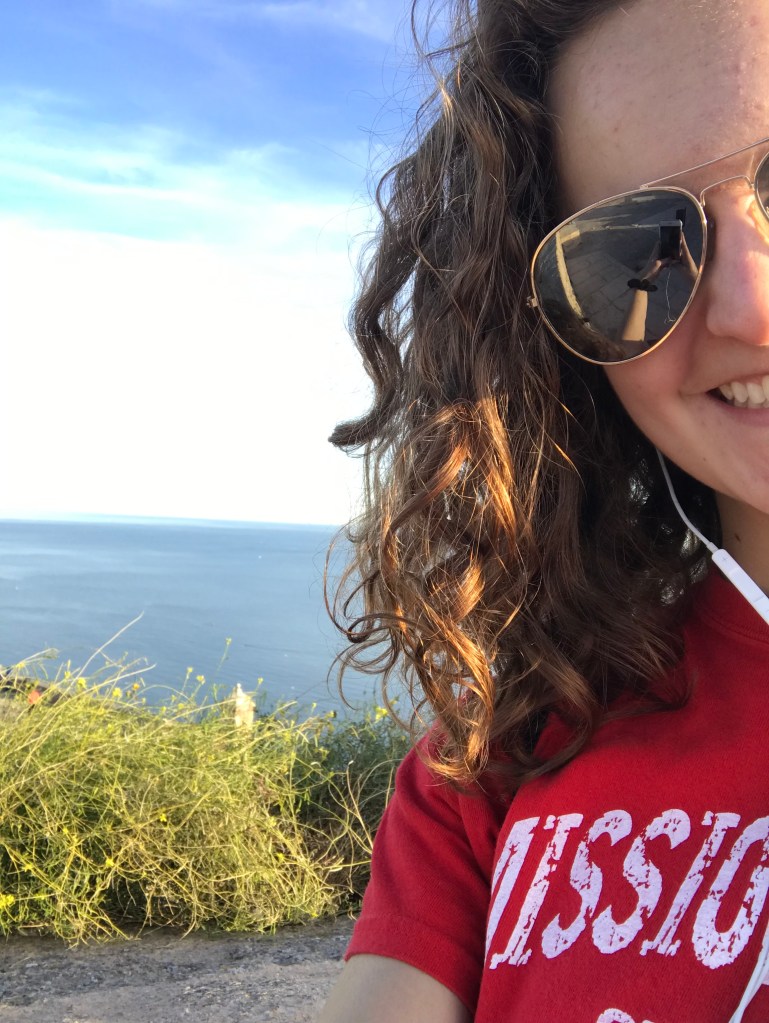
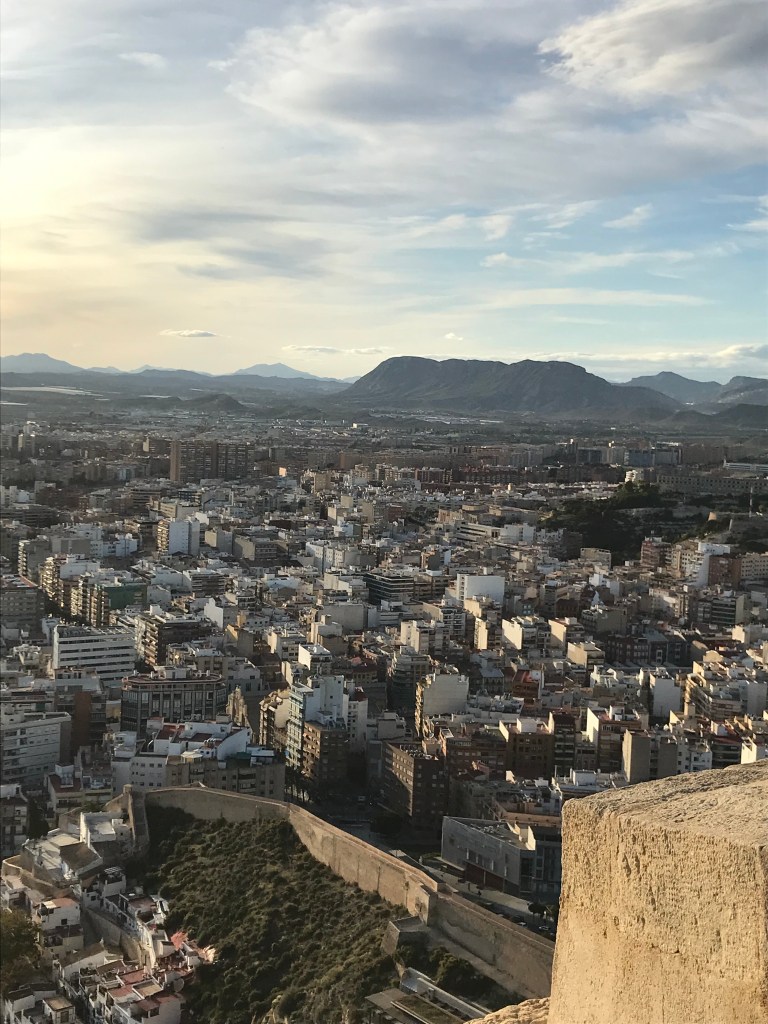
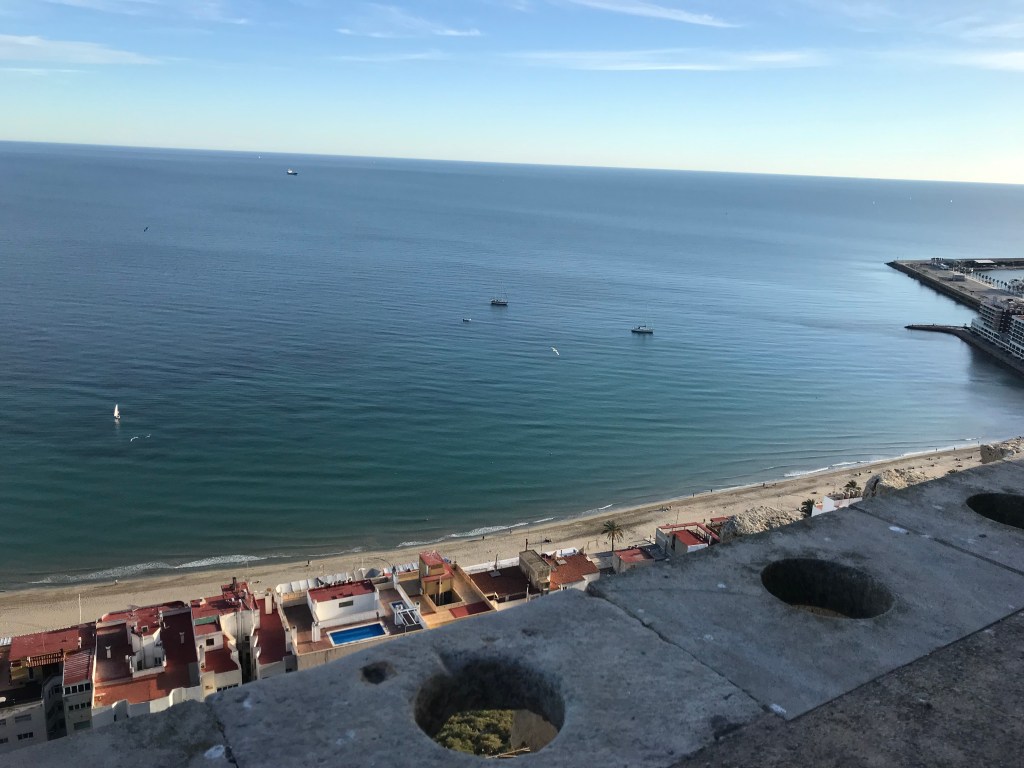
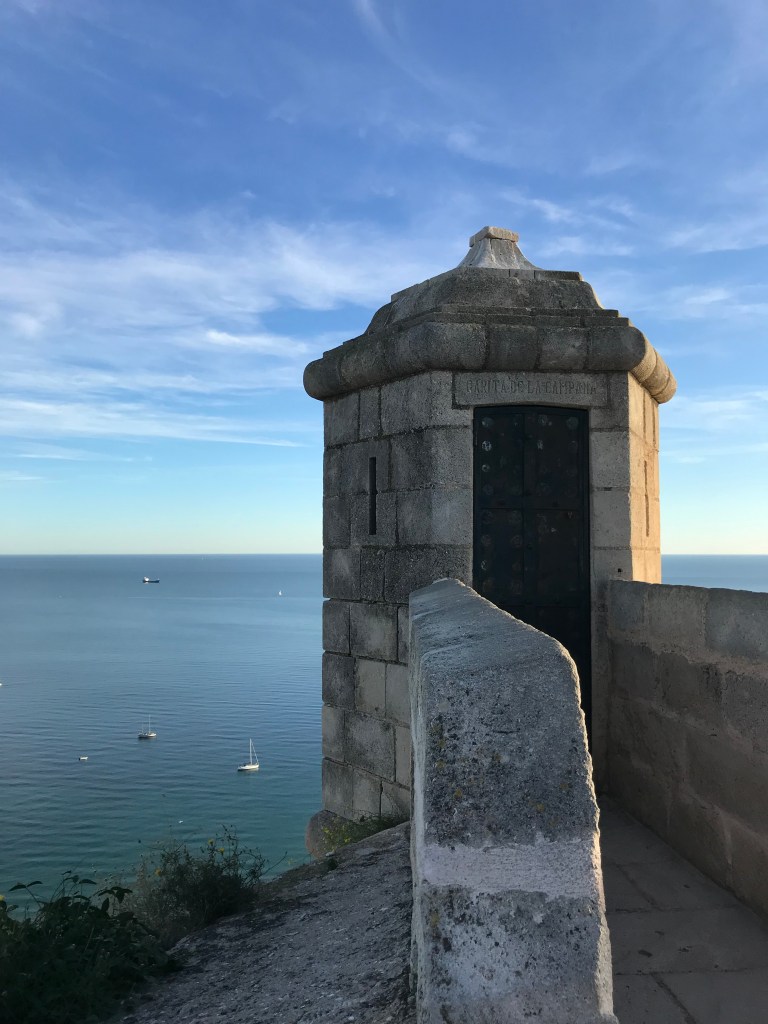
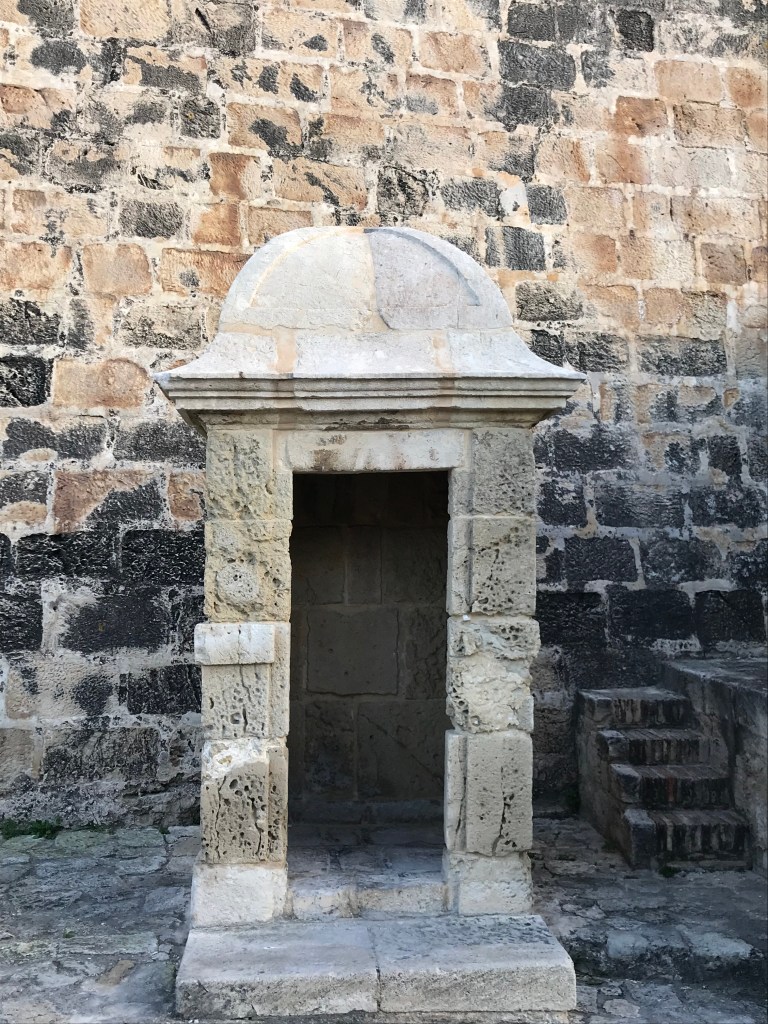
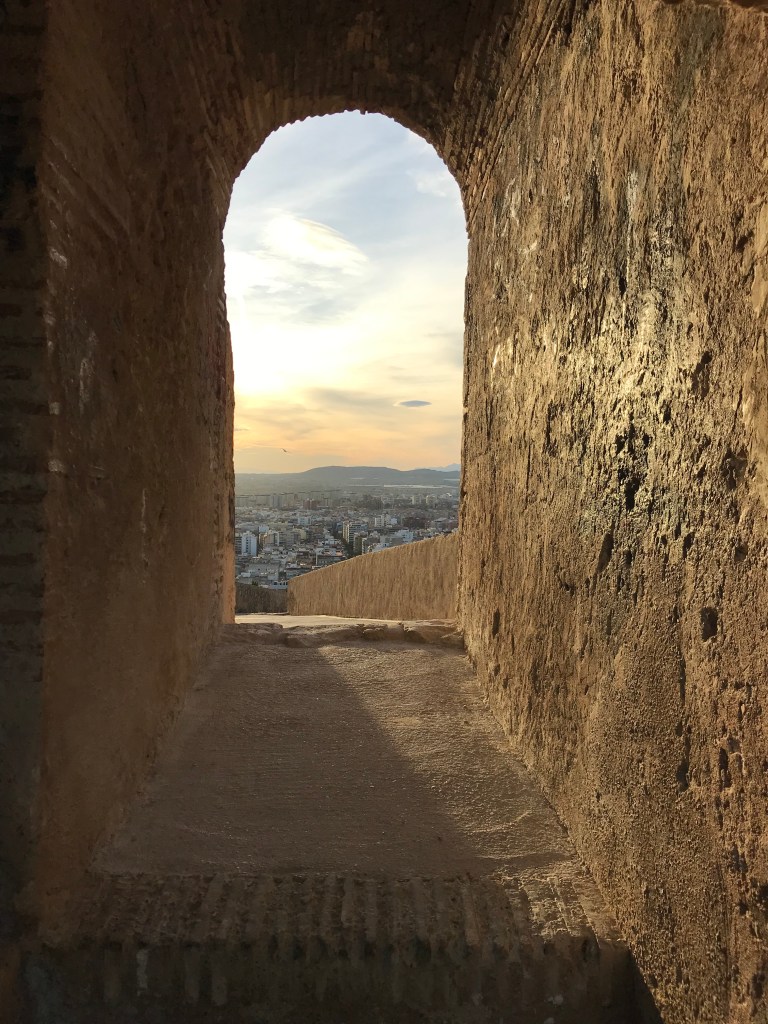
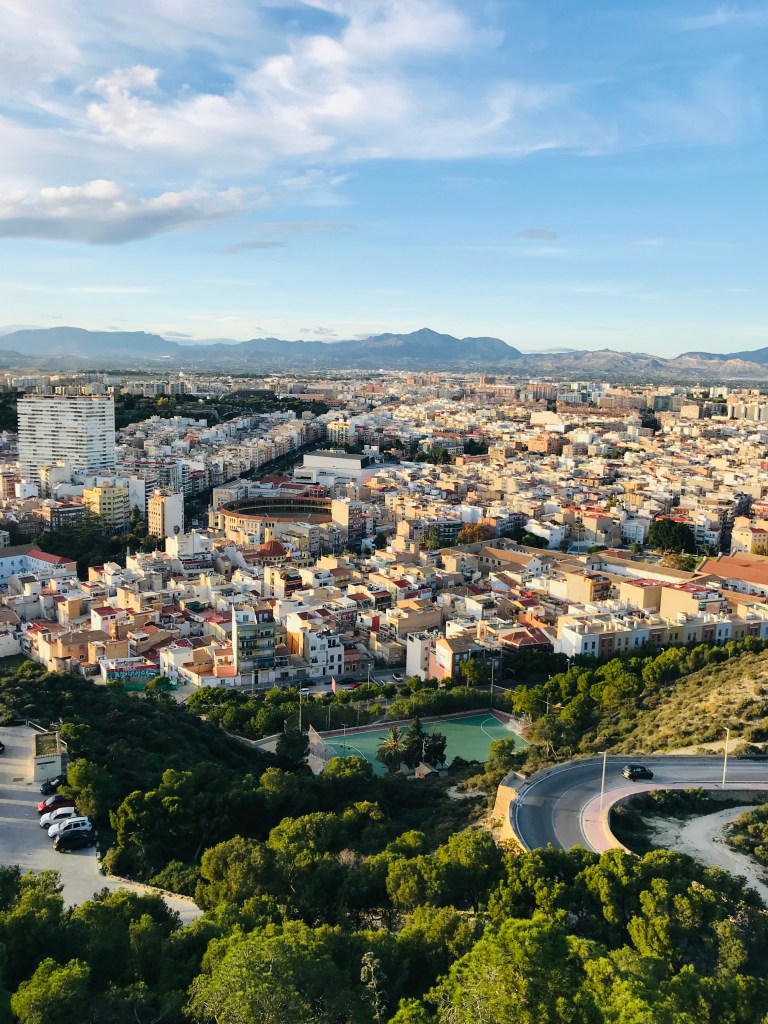
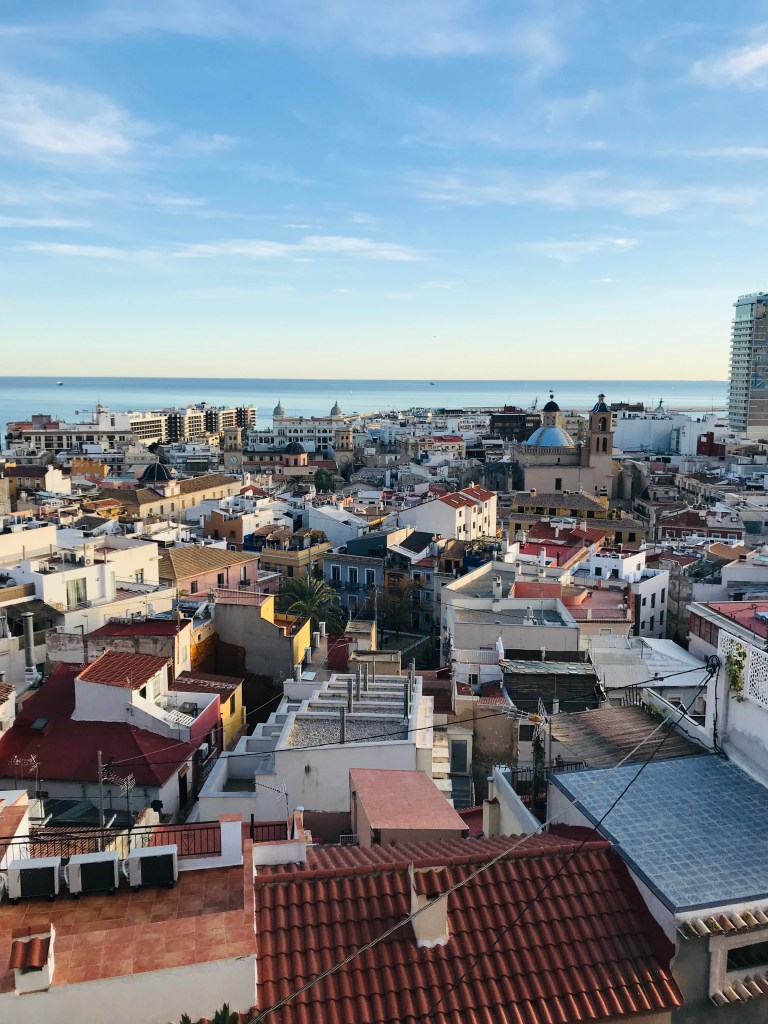
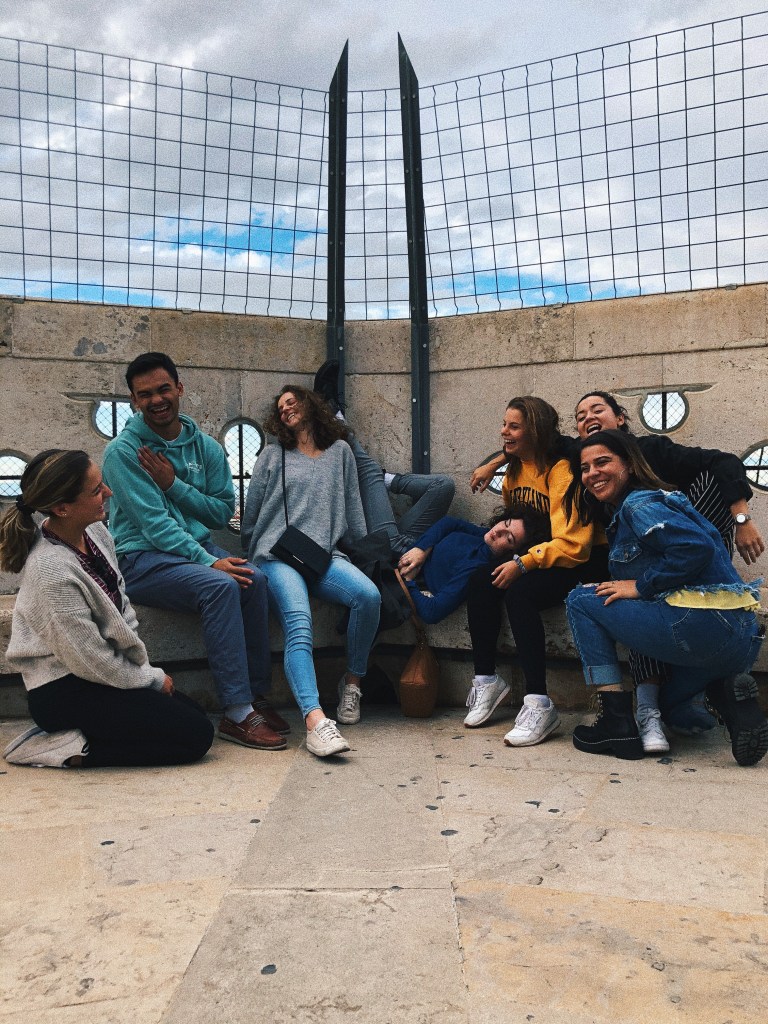
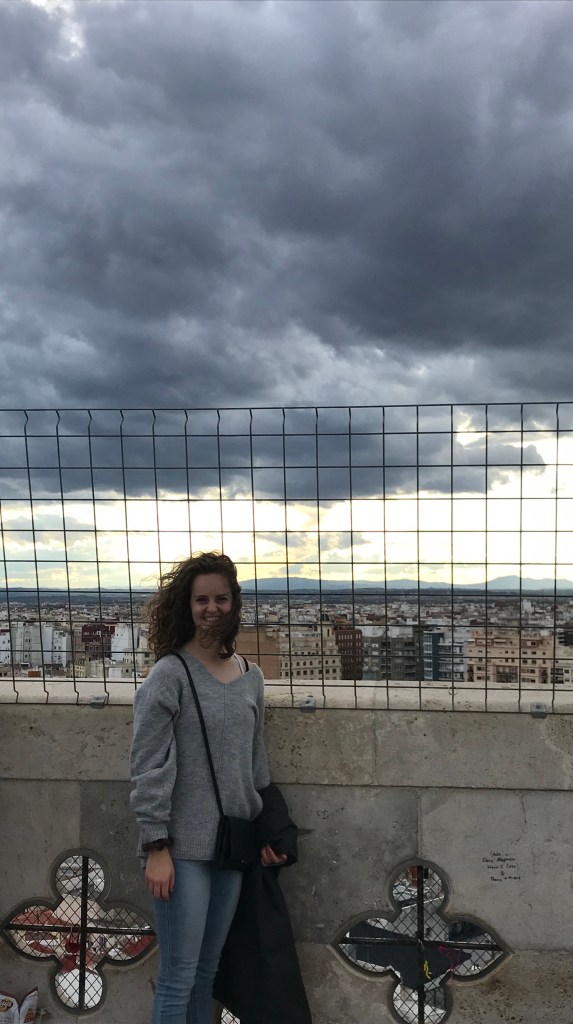
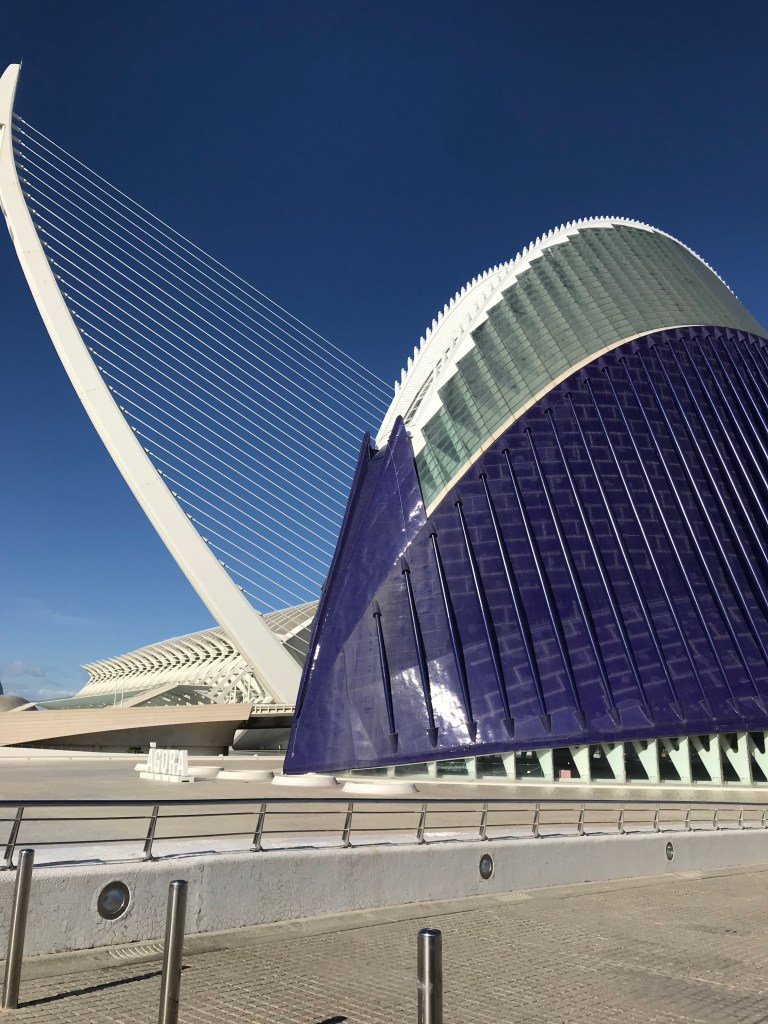
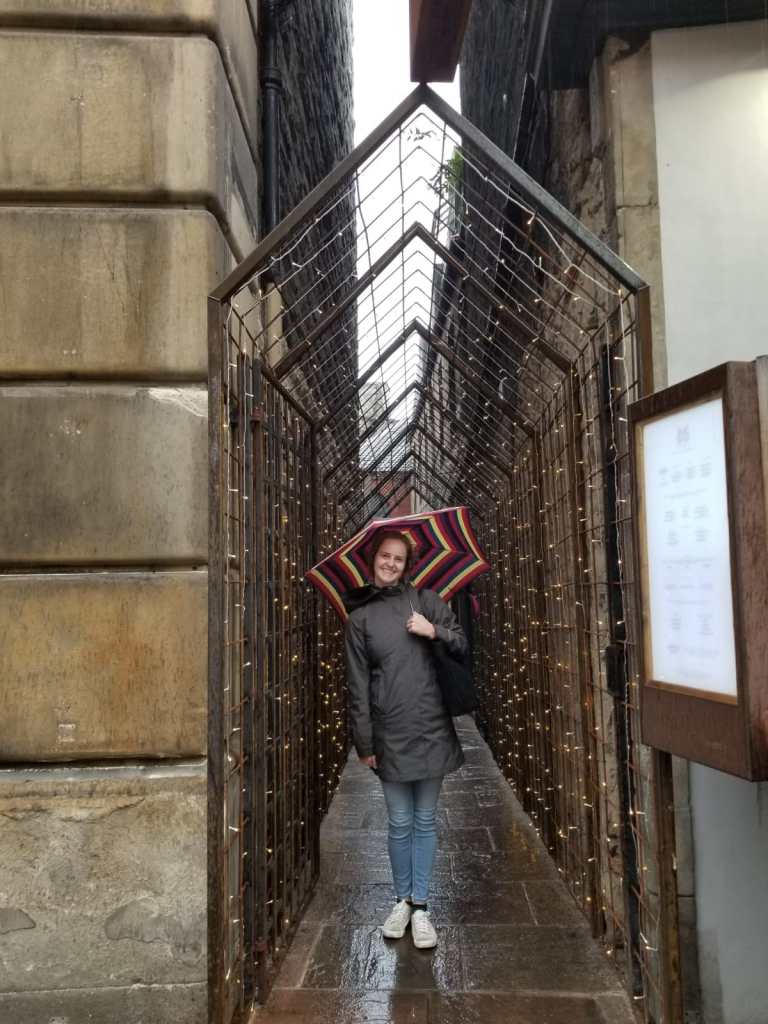
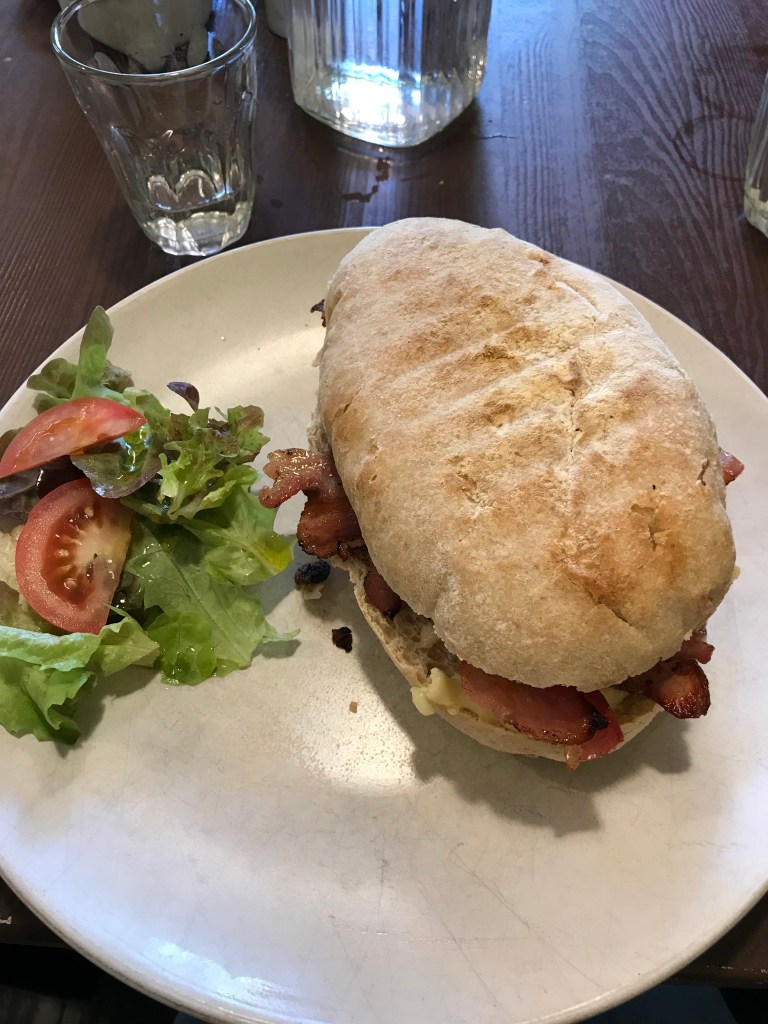
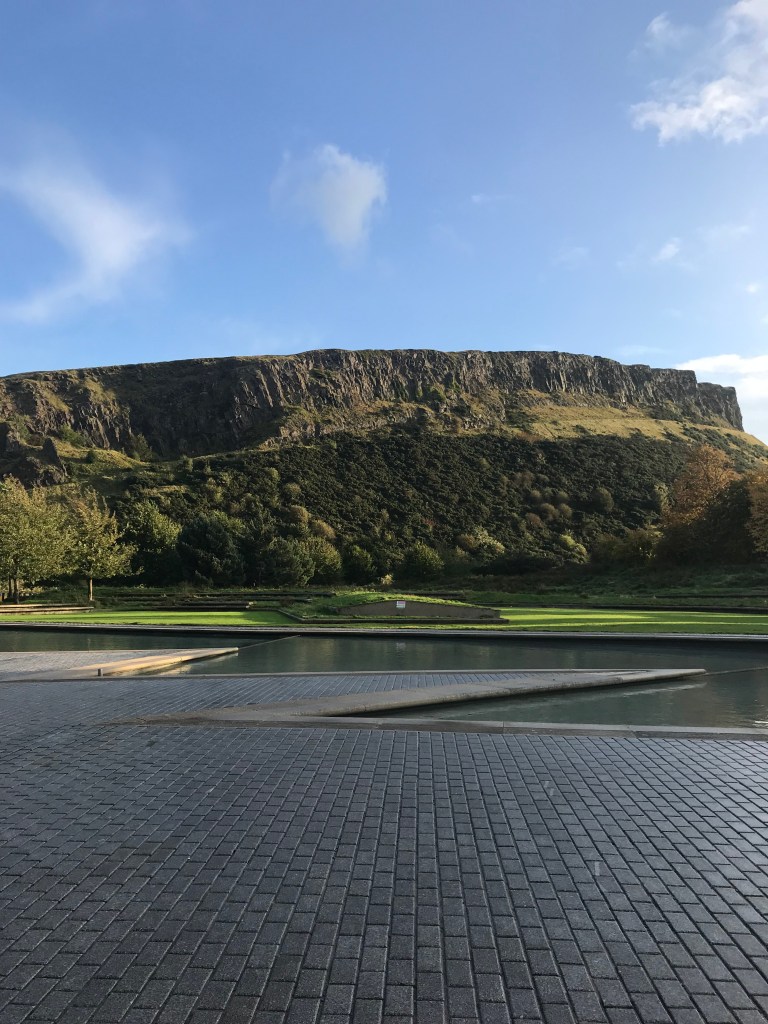
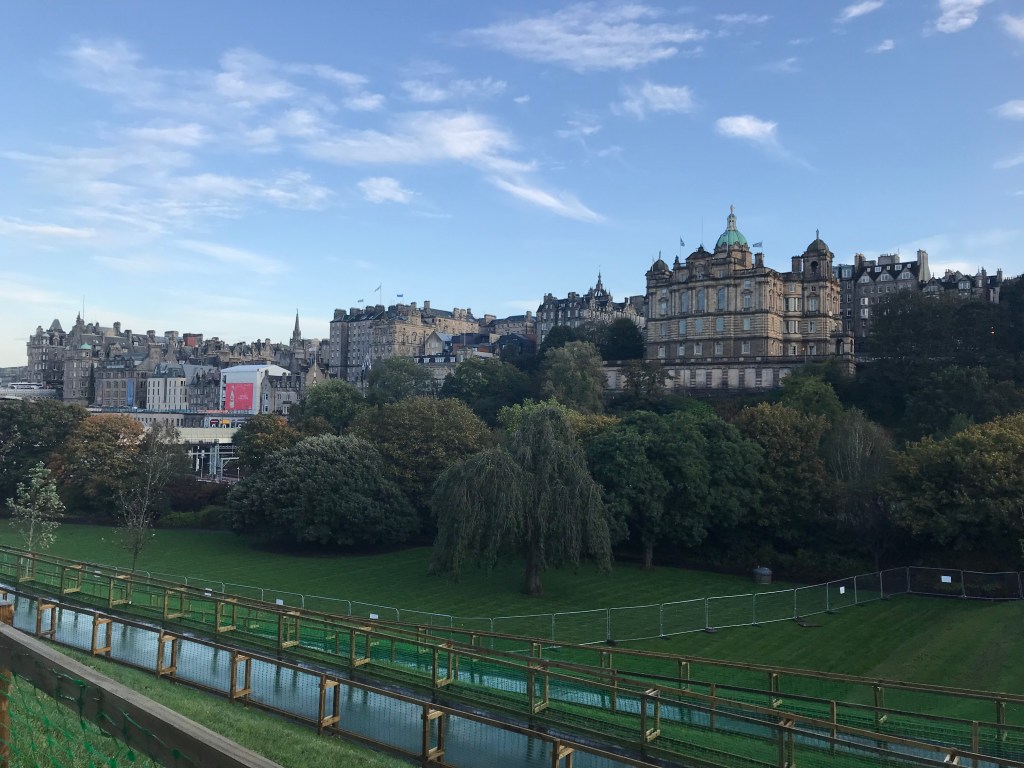
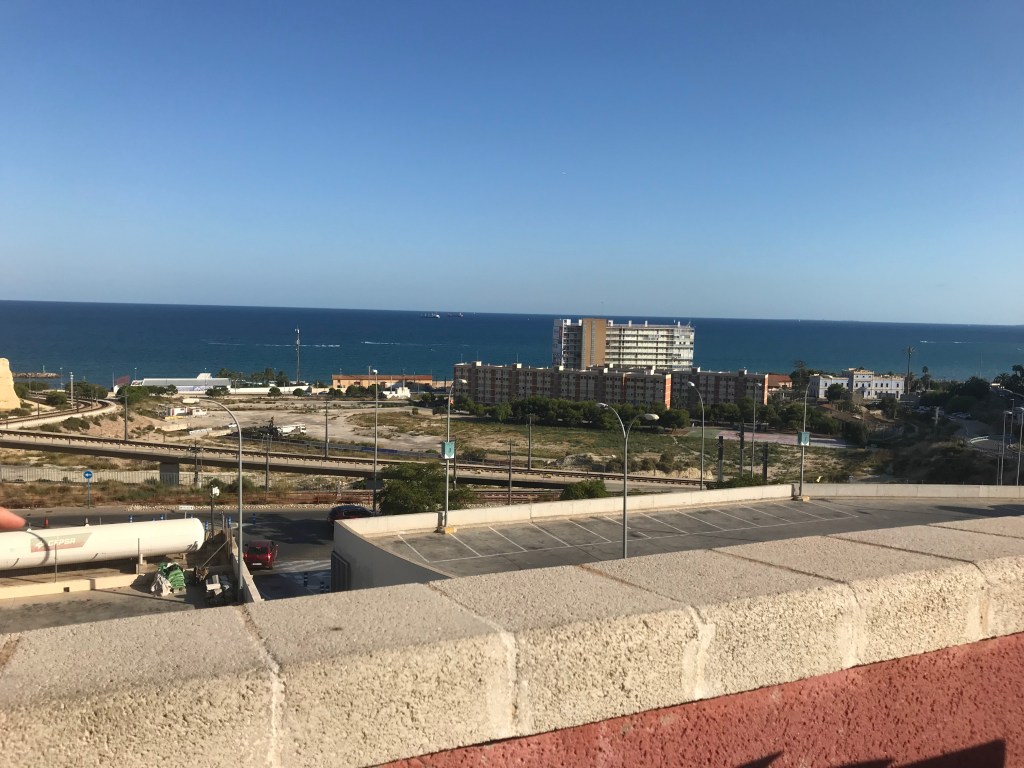
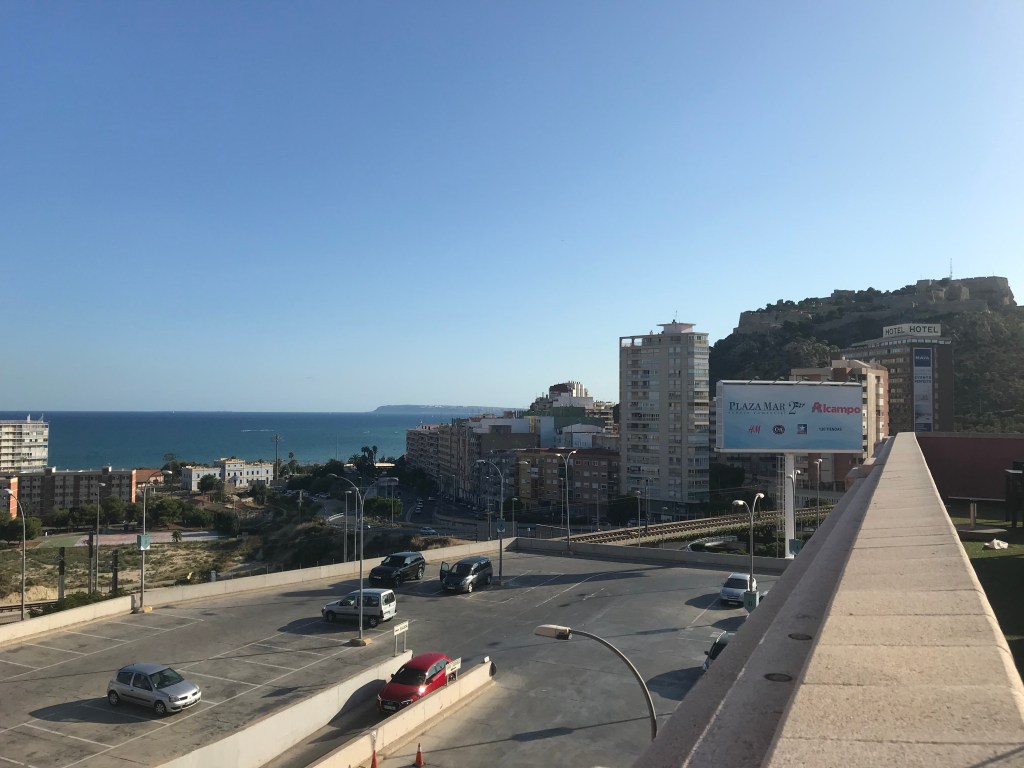
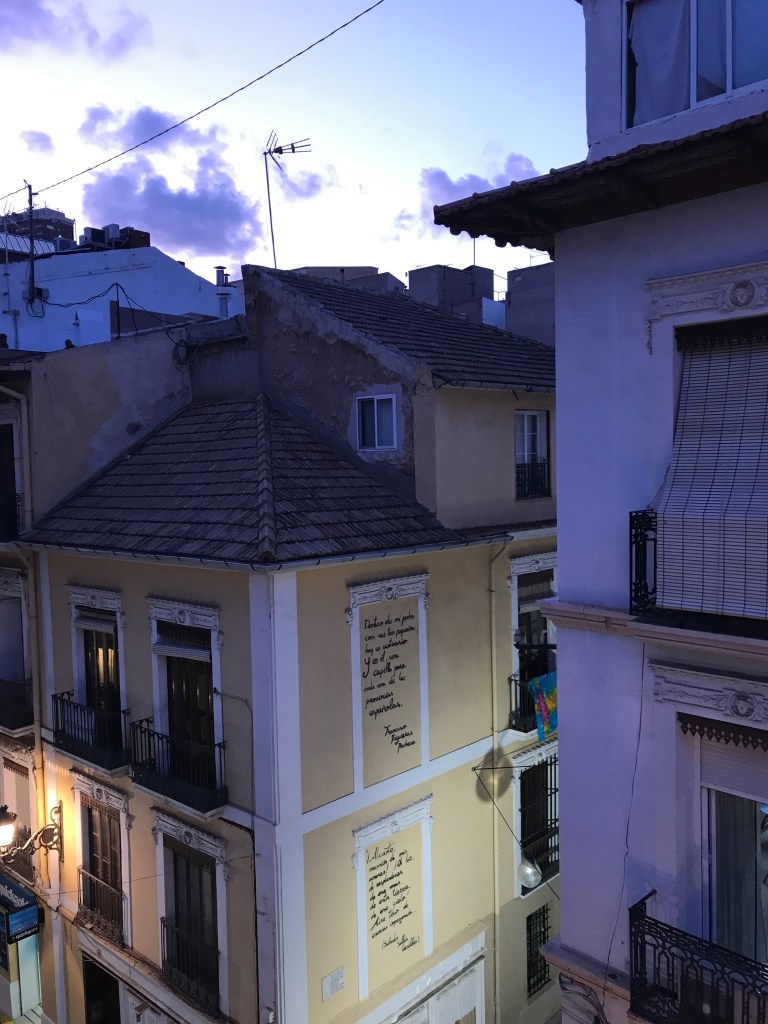
Before I sign-off, here are some final pictures of my last days here in Alicante:
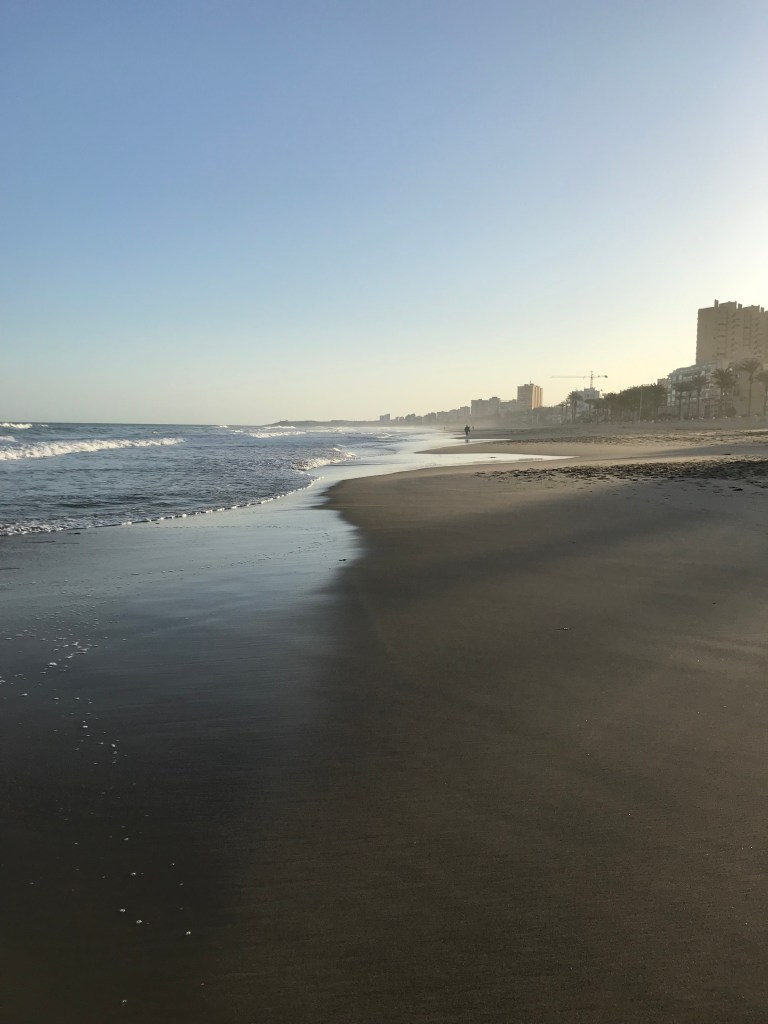
For one last time,

¡Hasta luego!

Love, Grace
Featured

It’s Not Over Until You Visit a Winery

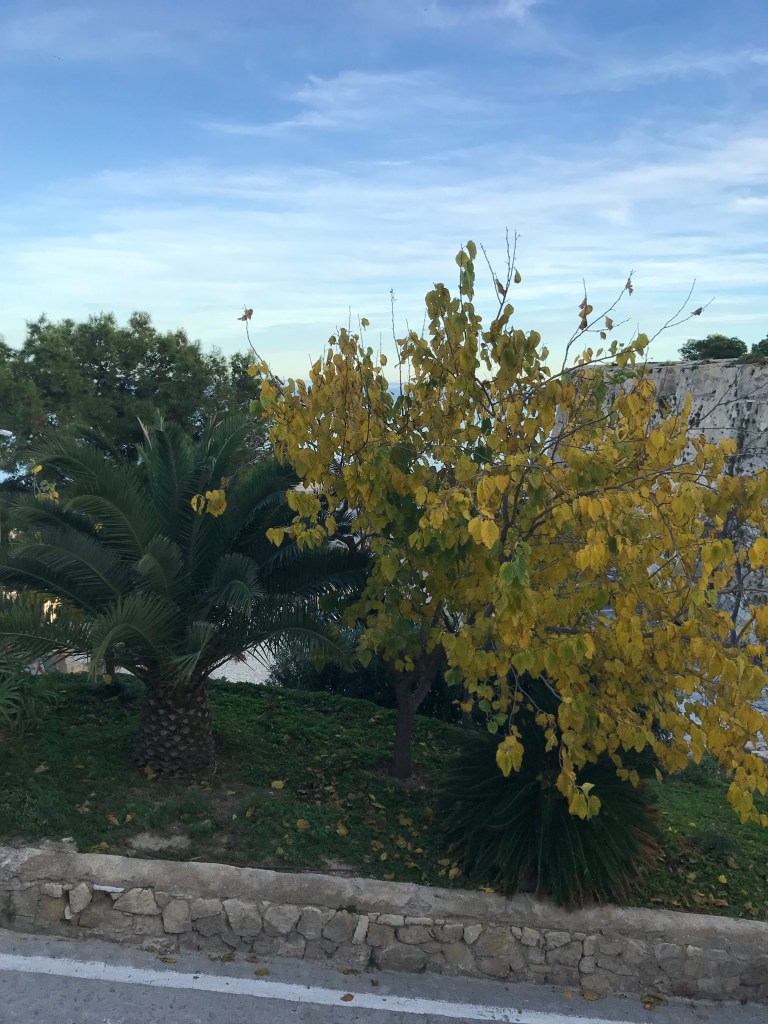
This is about as close to fall as Alicante gets — some leaves and a palm tree. (Side note: I’m wearing a short sleeved shirt behind the camera.)

As my time in Spain winds down (12 days today!), I’ve started taking the time to do things for the last time. I’ve dedicated both this weekend and the next, in between all the studying for finals, to fully embracing the city of Alicante and Spain!

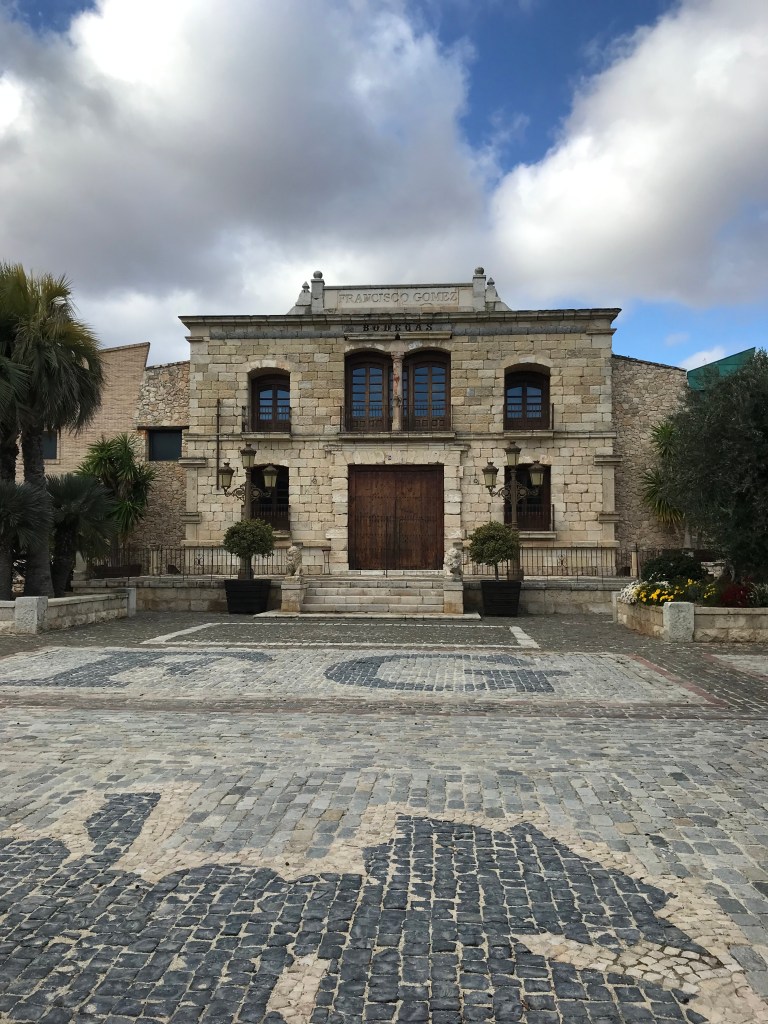
Before I get into all the things that I’ve started saying goodbye to, I thought I’d share a little about my trip to a local winery that my program took a few weeks ago.

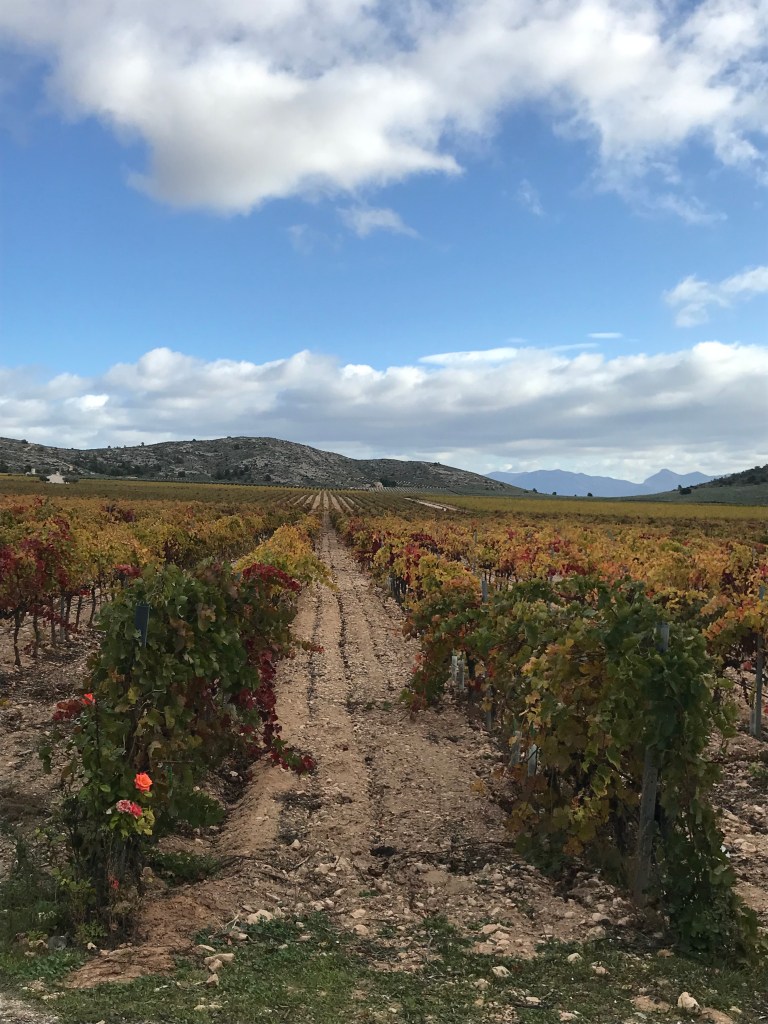
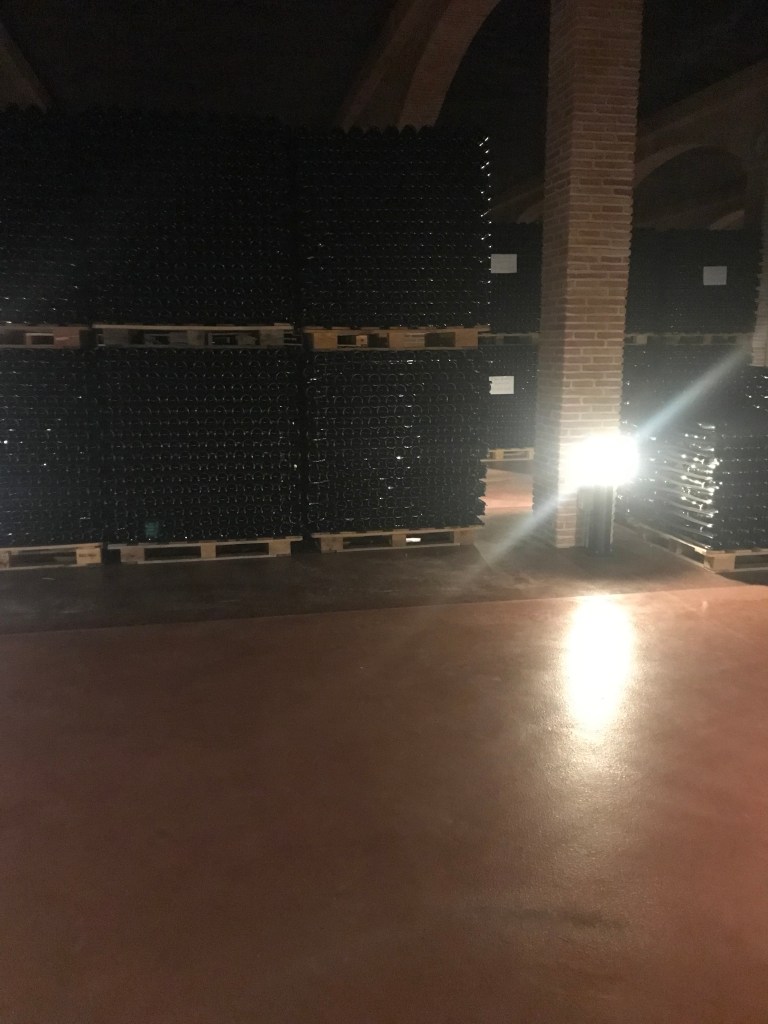
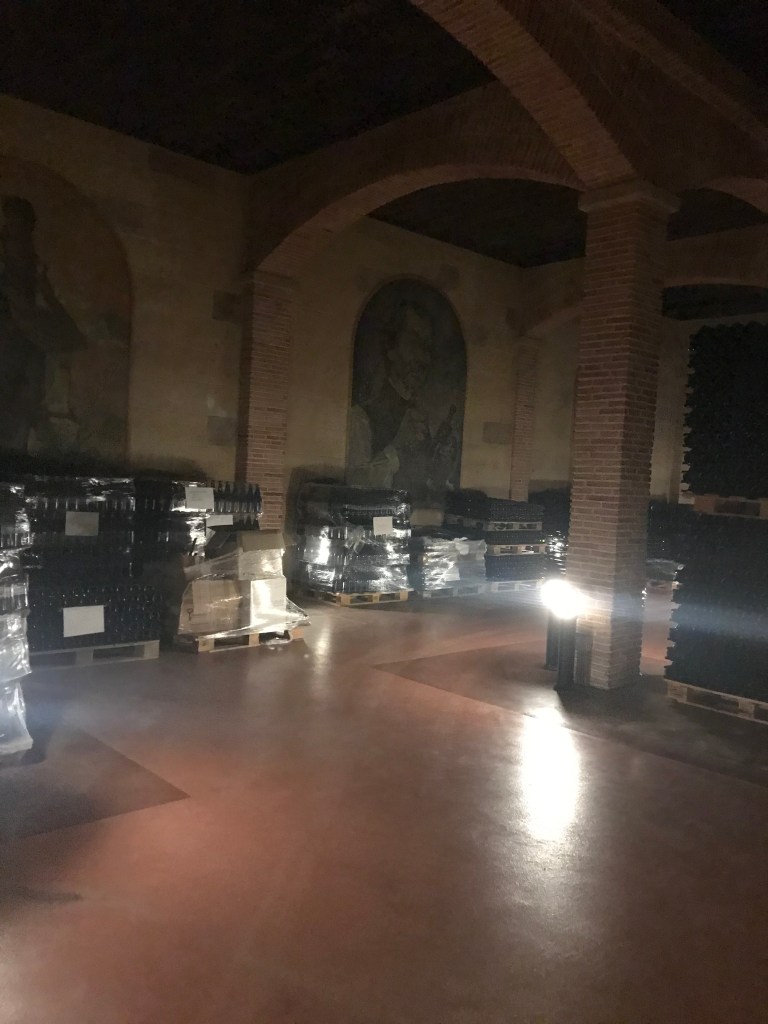
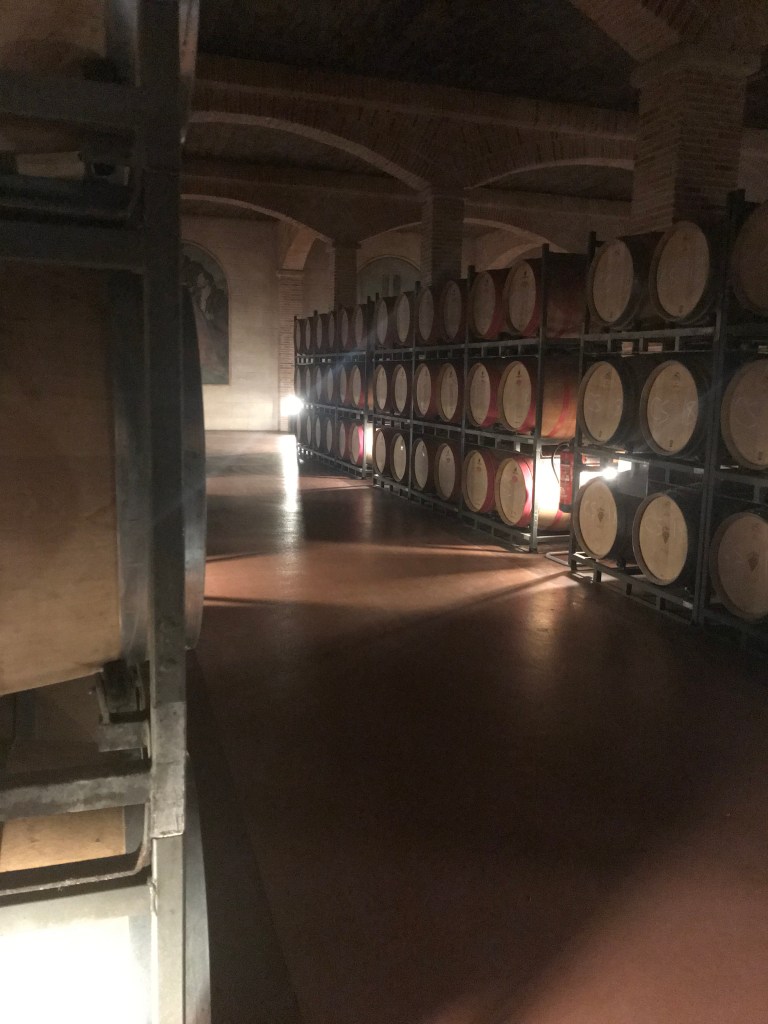
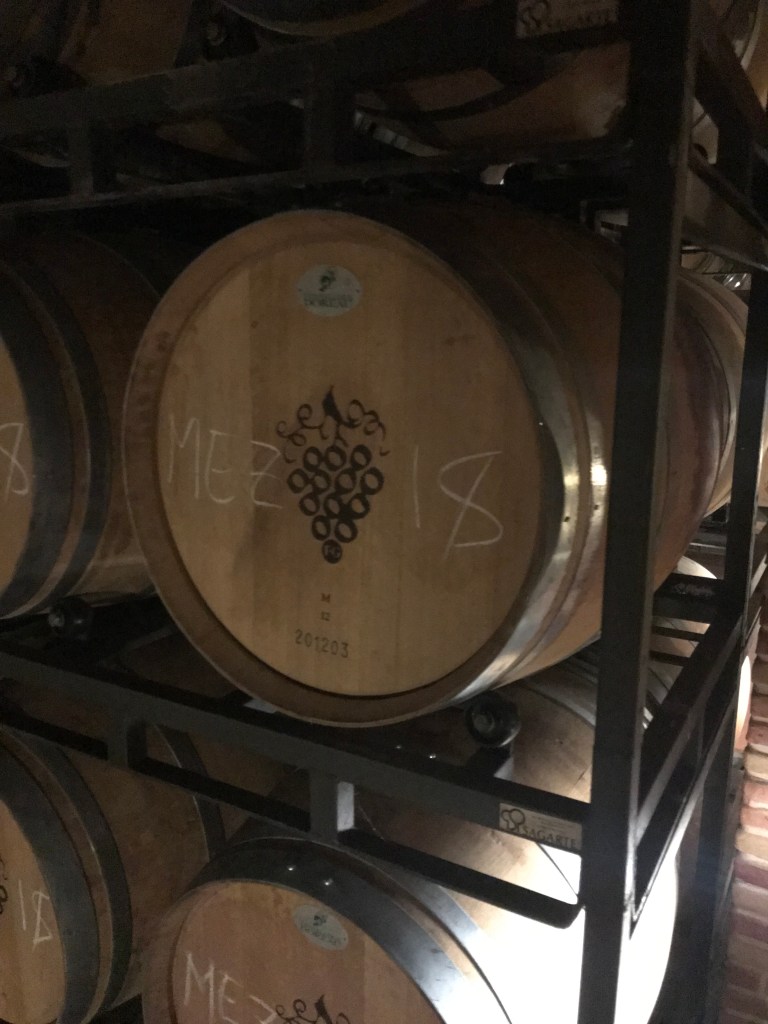
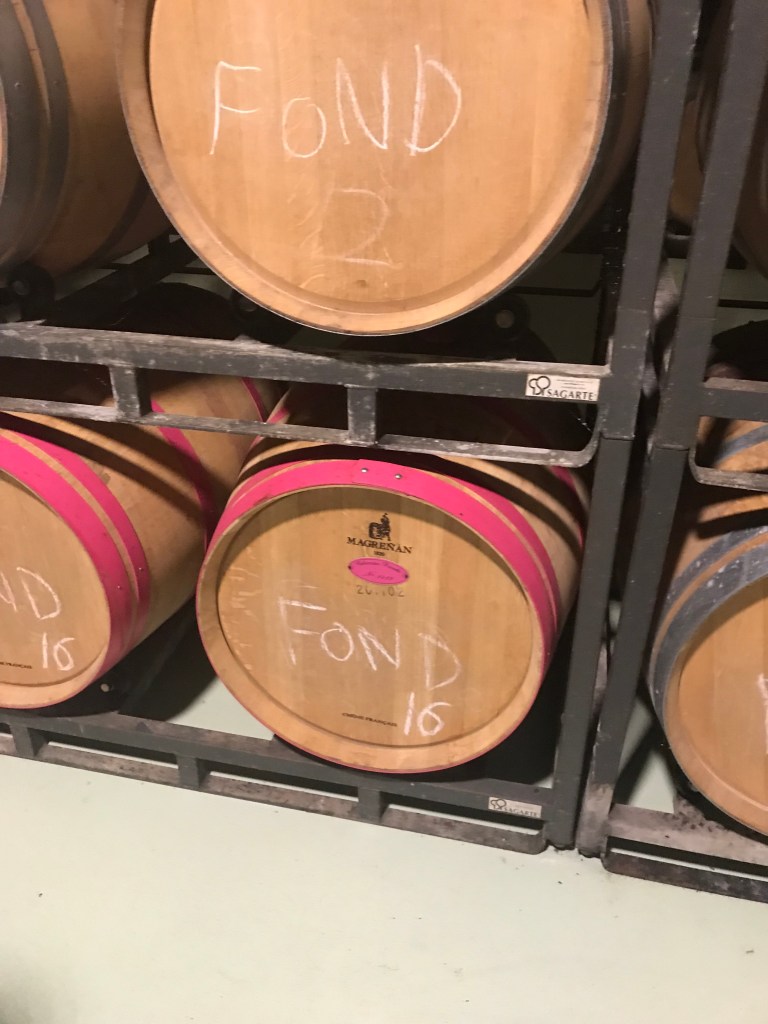
About a two hour bus-ride from Alicante, this winery not only specializes in making a fair number of different wines, but also in manufacturing high-end olive oil. I don’t know anything about wine, so a lot of the tour went over my head, but it was cool to get to see the vineyard and the big machinery that they use with the grapes. Here are some pictures from the tour:

Super pretty, no?

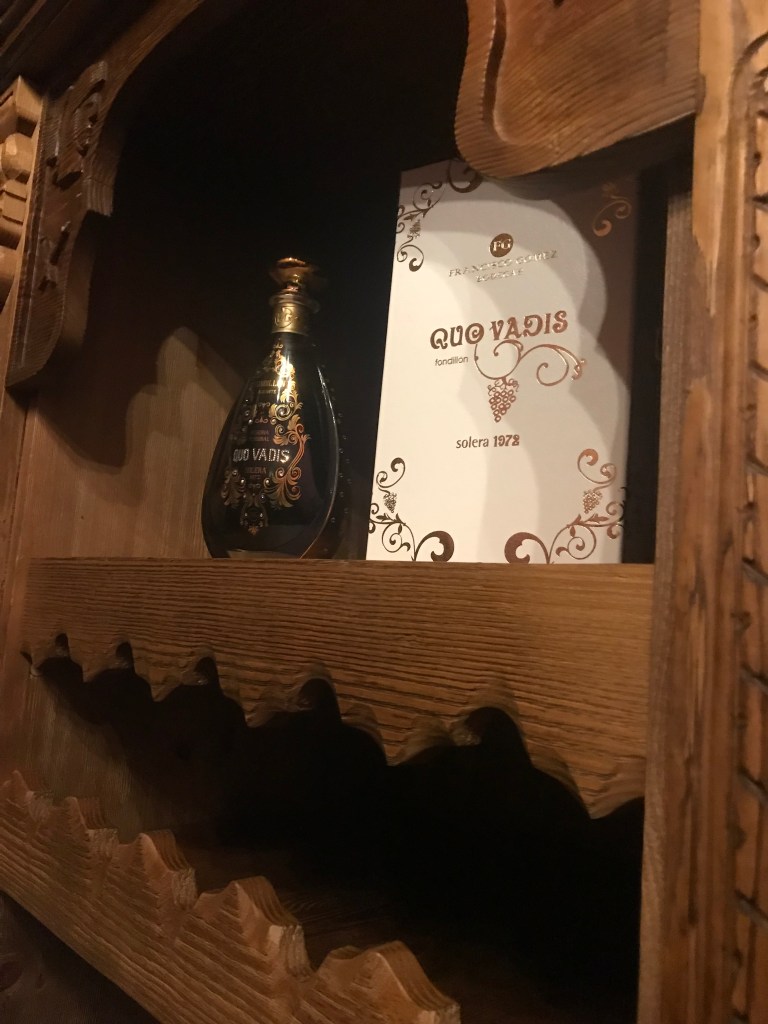
The tour guide also showed us this bottle of wine (showed below) that is a really old, specific type of wine that costs 372 Euros — roughly $410. (Fun fact: the crystals that are on the bottle are Swarovski.) It’s very expensive, high-end wine.

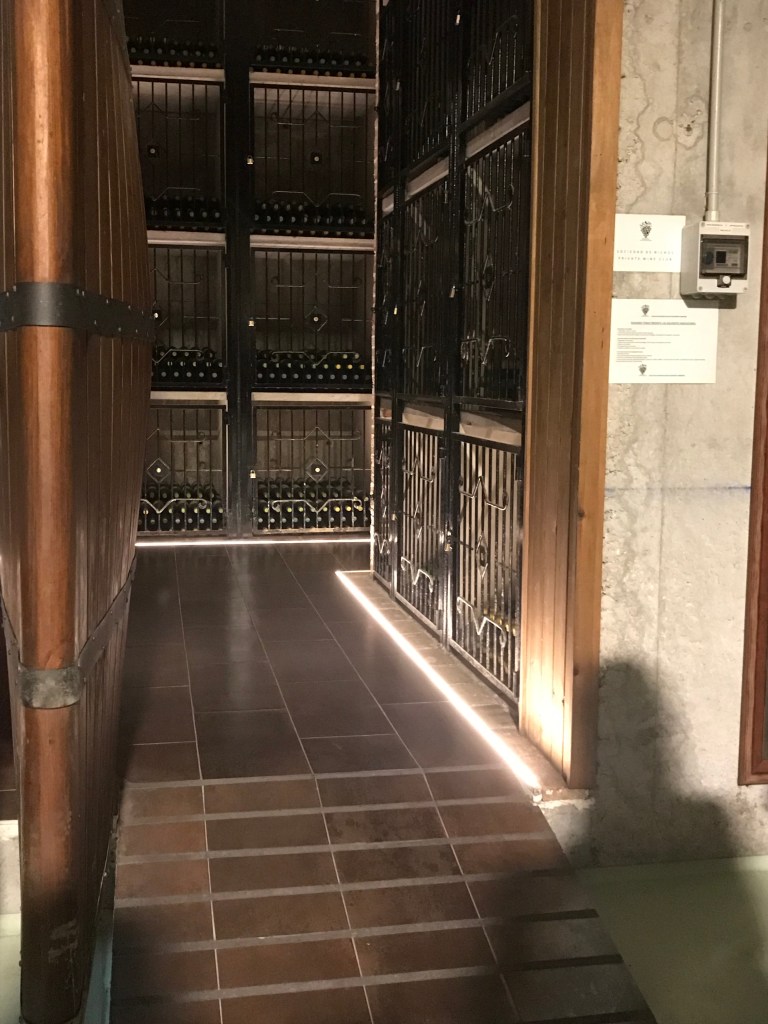
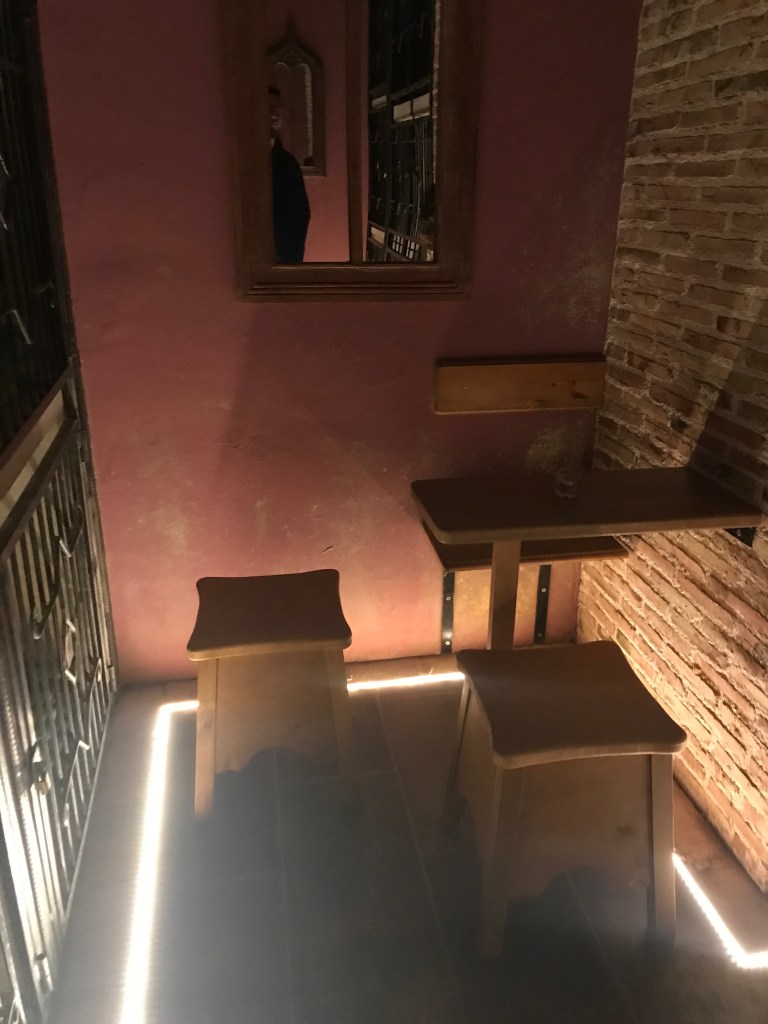
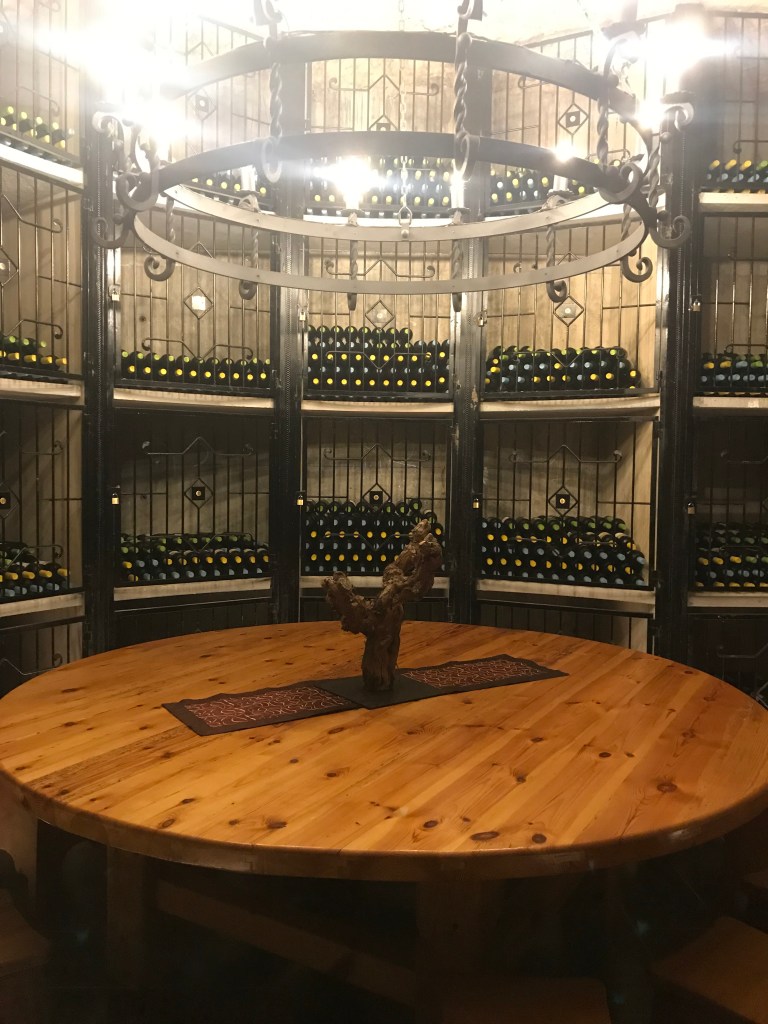
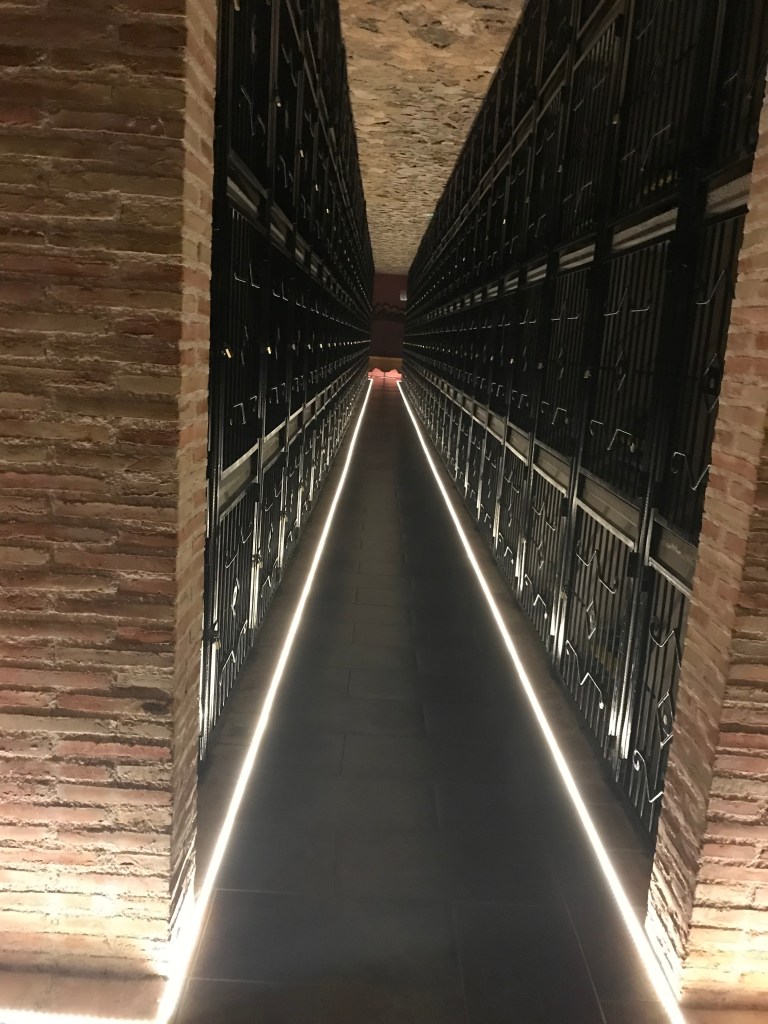
Then we went into the private collection vault, which was basically like a hidden labyrinth behind this gigantic door that rotated (super cool). The private collection vault is really elite; to have a space in there you have to have a lot of money. There’s also tiny spaces where owners can come to drink with their friends and family or make business deals over fancy wine. It was insane.

After we finished the tour, we did a tasting where they had four different types of wine for the group to try, as well as samples of their olive oil with bread and other snacks (very yummy!). Overall, a very fun activity. I’ve never visited a winery before, so it was just cool to learn about the process and see all of the things you imagine when you think about a winery (the vineyards, barrels etc.).

Lasts

Here’s some of the things that are on my list of things to do/visit before I leave:

  • The castle
  • Sip & Wonder (the coffeeshop I frequented while here)
  • My favorite bakery
  • Costa Blanca beach
  • 100 Montaditos (one of my favorite restaurants)
  • La Explanada (walk in downtown Alicante)
  • Sal y Pepe (one of my favorite restaurants)

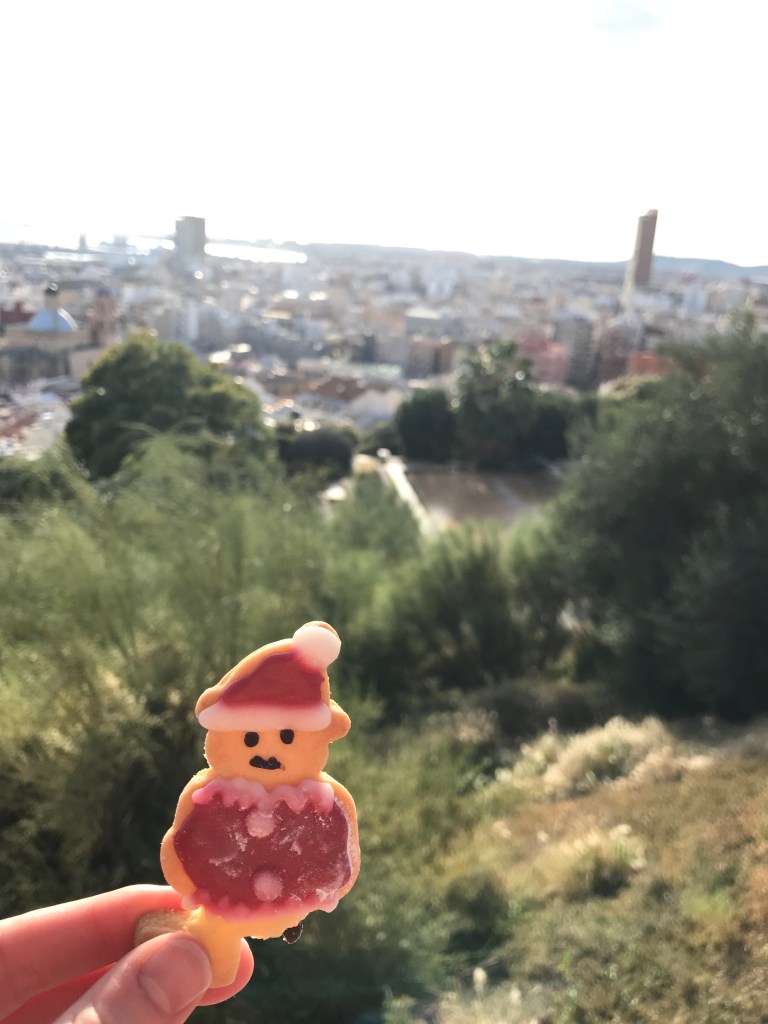
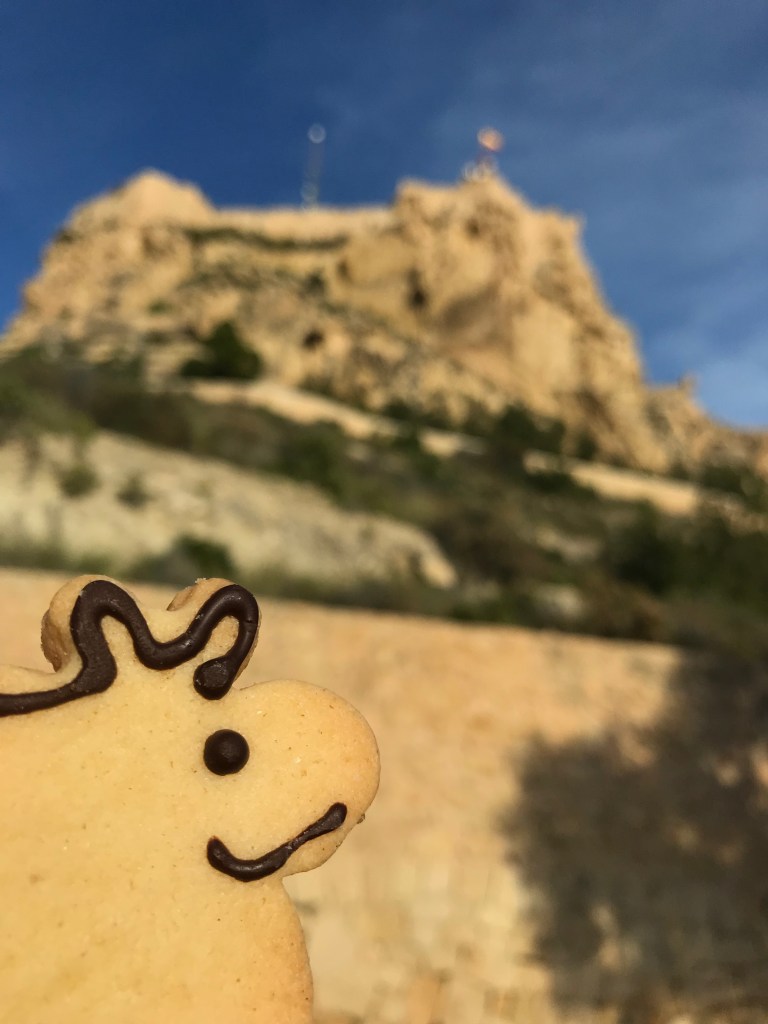
Of these things, this weekend I visited the castle, Sip & Wonder, and my favorite bakery. As a snack on my hike up to the castle, I bought a package of Christmas-themed cookies from the bakery. The cookies were delicious and really cute because they were shaped like Santa, reindeer, or other things like that.

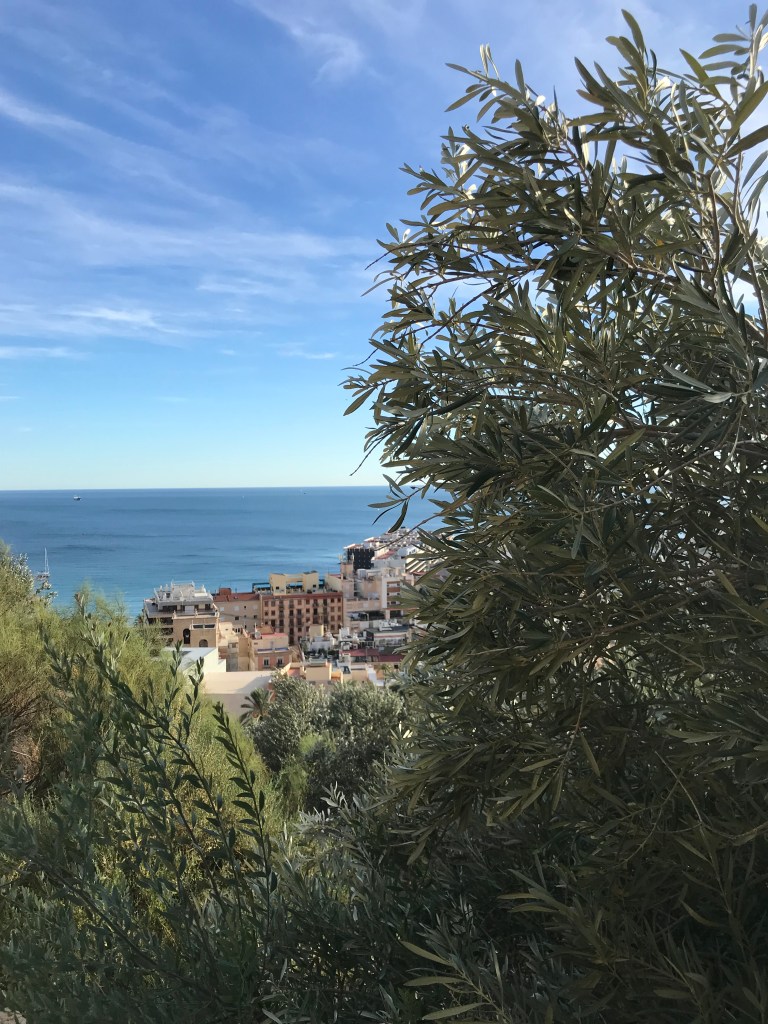
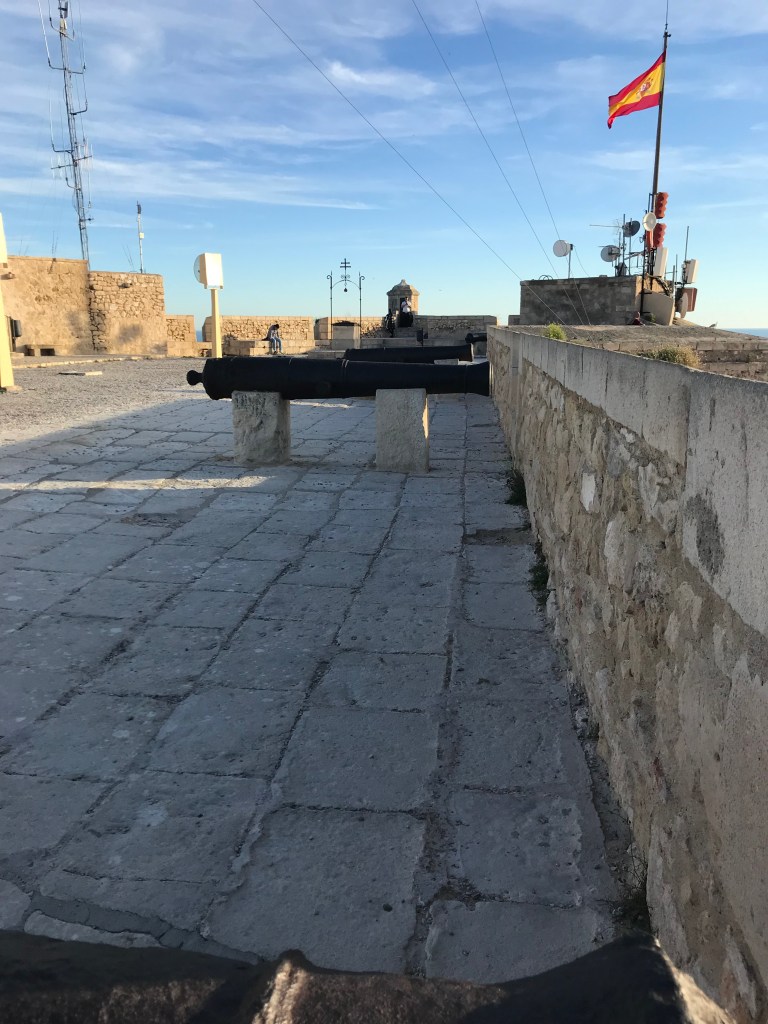
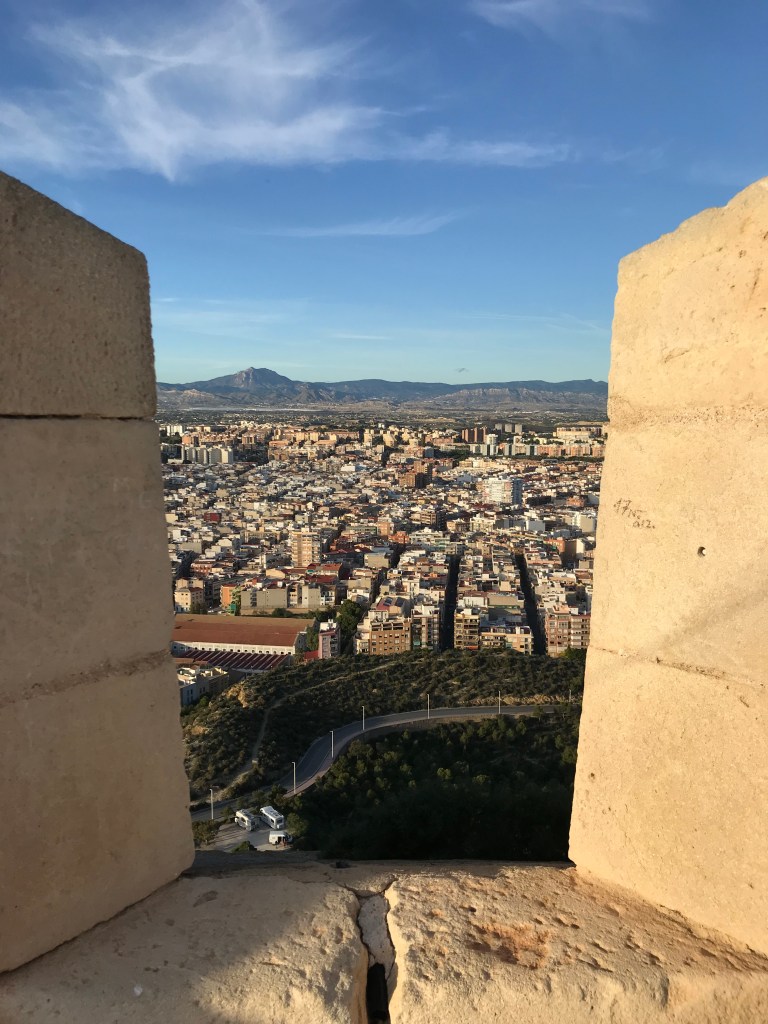
Even though it was a gorgeous day, there was virtually NO ONE on top of the castle, a sight incredibly rare. Because it was so empty, I took advantage and took a lot of photos (plus the lighting was pretty as I went about an hour before sunset). Here are some of my photos:

Literally NO ONE on the beach
You can see the bull ring in this shot
El barrio

I also went to Sip & Wonder to get some work done, a fun time! (Side note: I ordered an acai bowl for the first time there and it was delicious — it had coconut, fresh fruit, and mint!)

This upcoming weekend I’m going to hit the rest of my list, so that after that I can just focus on finals and packing! So crazy to be so close to the end! Next blog (which I think will be my last) I’m going to reflect on my experience and give my thoughts about study abroad as a whole. Definitely going to be a good post!

¡Hasta luego!

— Grace
Featured

¡¡Valencia!!

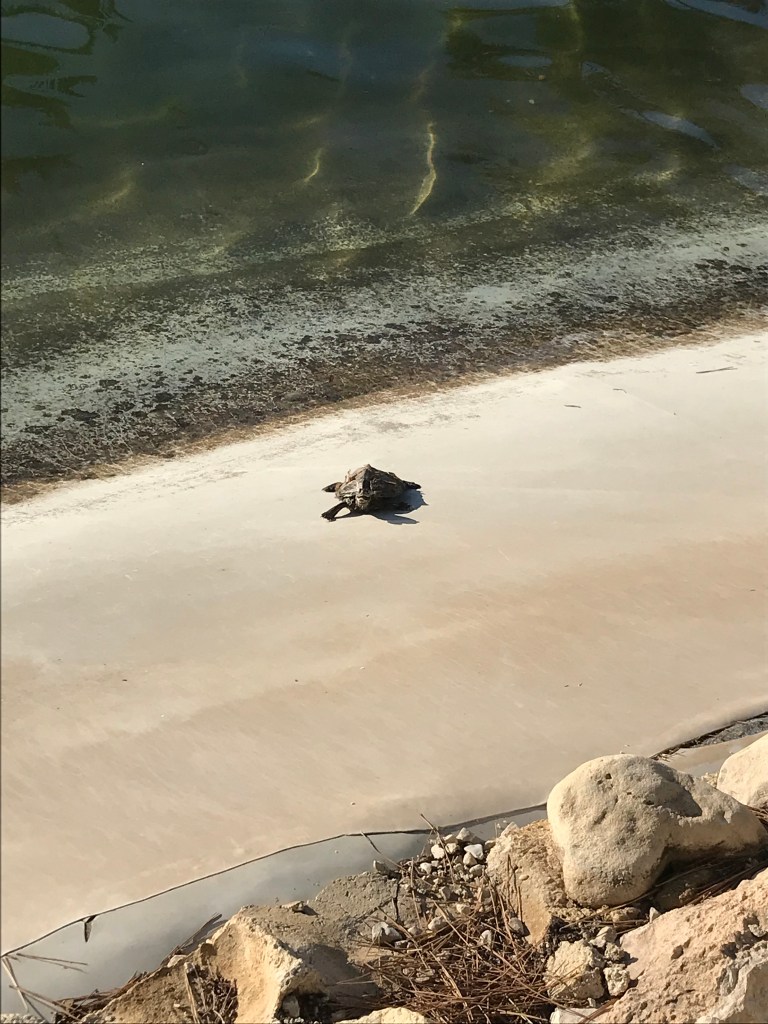
A little turtle we found when we had class outside (he’s on theme for this post)

Hello, all! Happy Thanksgiving week! This November I’ve been finding one thing I’m thankful for everyday and writing it down, no matter how silly or seemingly insignificant. (I did try to stay away from the cliches though, haha.) So far, with November almost over, they cover a whole bunch of topics, everything from proximity to the beach to the ability to sleep in to having people with whom to go out to dinner. For honesty’s sake, I will admit that some days it’s hard to think of something I’m thankful for, but there’s always something. It’s been a great exercise in thankfulness.

One of things I’ve been thankful for is the trip our program took to Valencia, a really fun couple of days. This post is dedicated to letting you all see some of what we did over those two days (with pictures, of course!).

Thursday

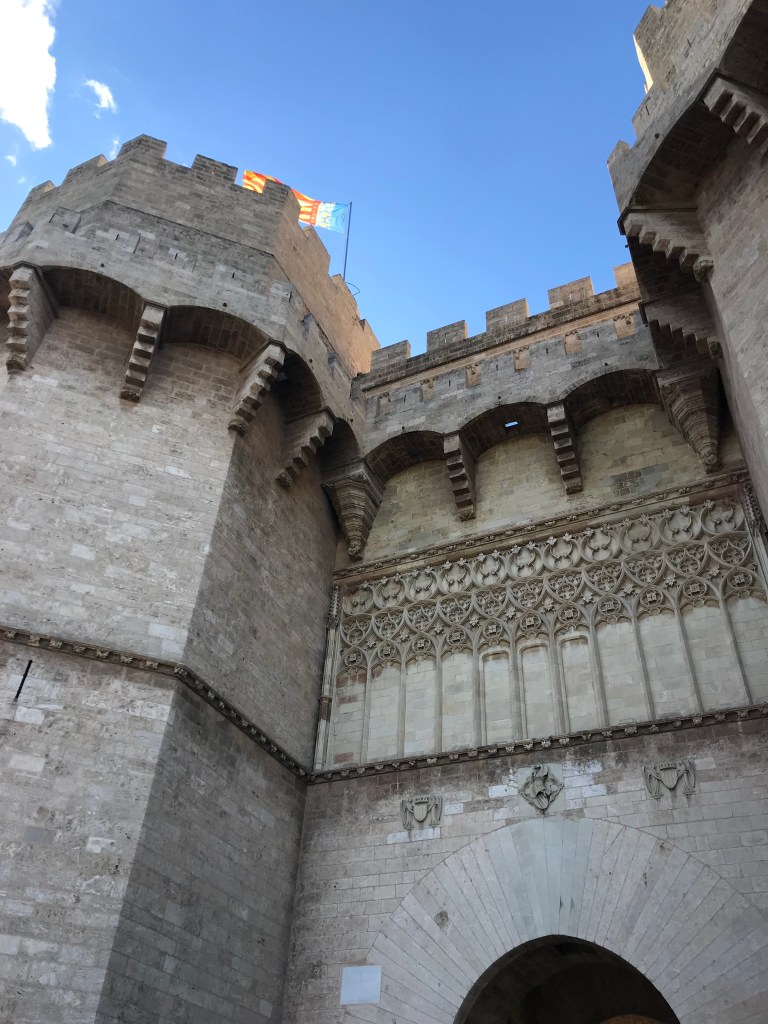
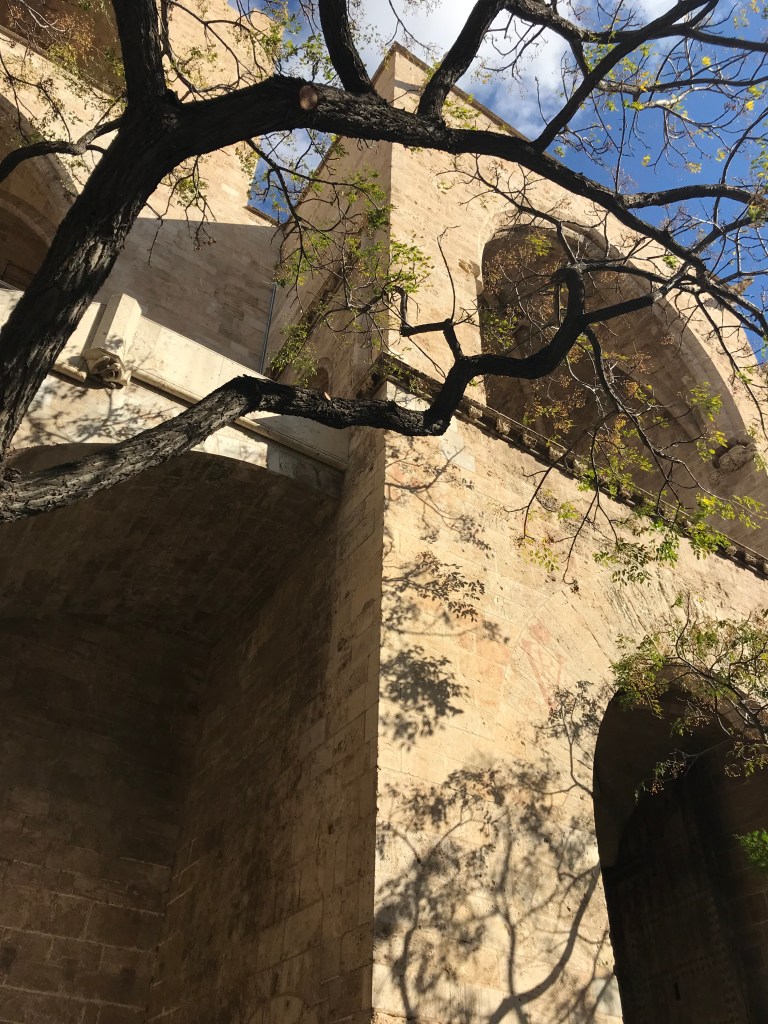
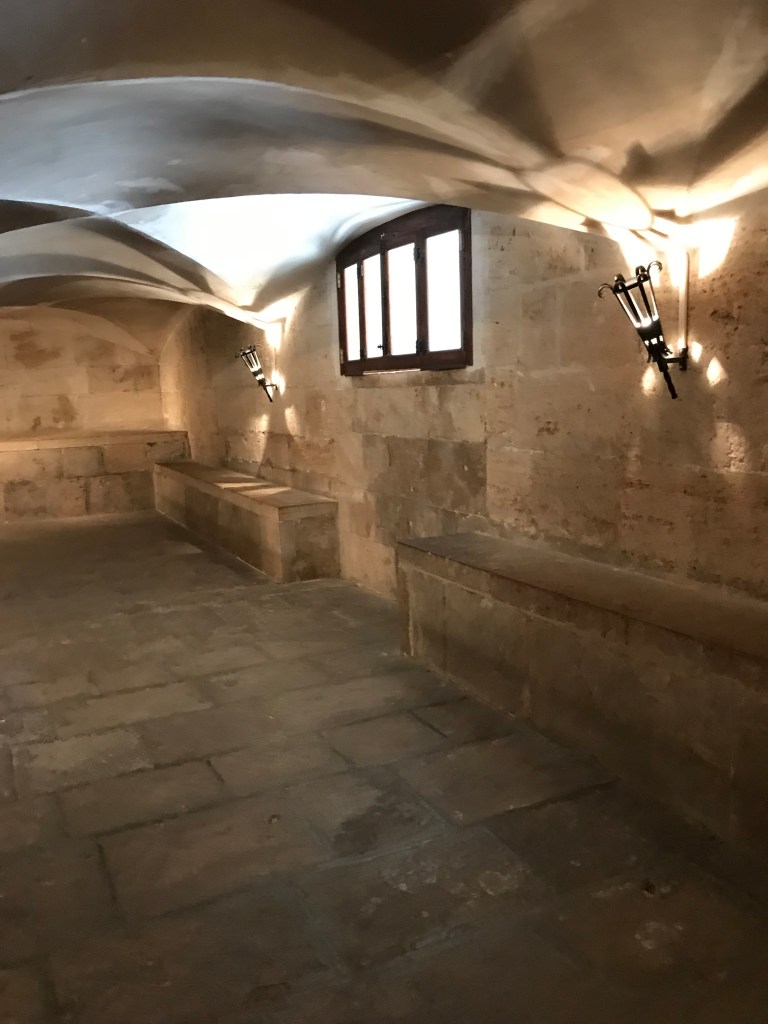
Valencia is about a two hour drive north from Alicante, so we piled onto a bus Thursday morning to get there. Our first stop was los Torres de Serranos, a tower/prison that was part of a city wall back before the discovery of the Americas and when Valencia was the major city of Spain (due to its location on the Mediterranean).

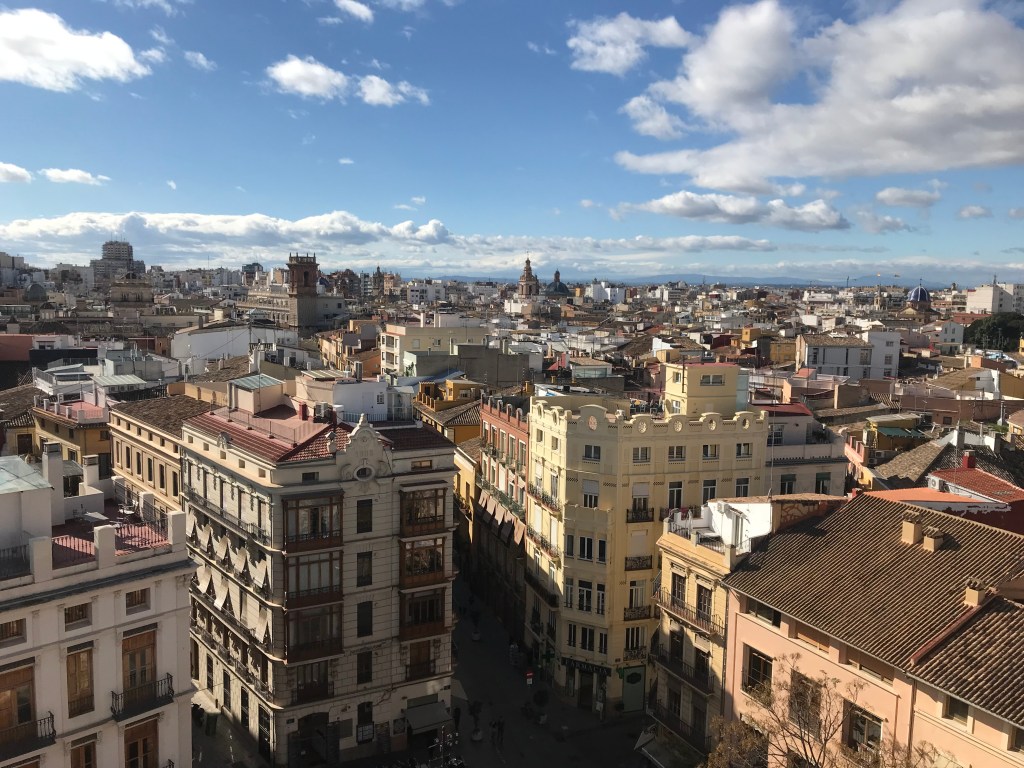
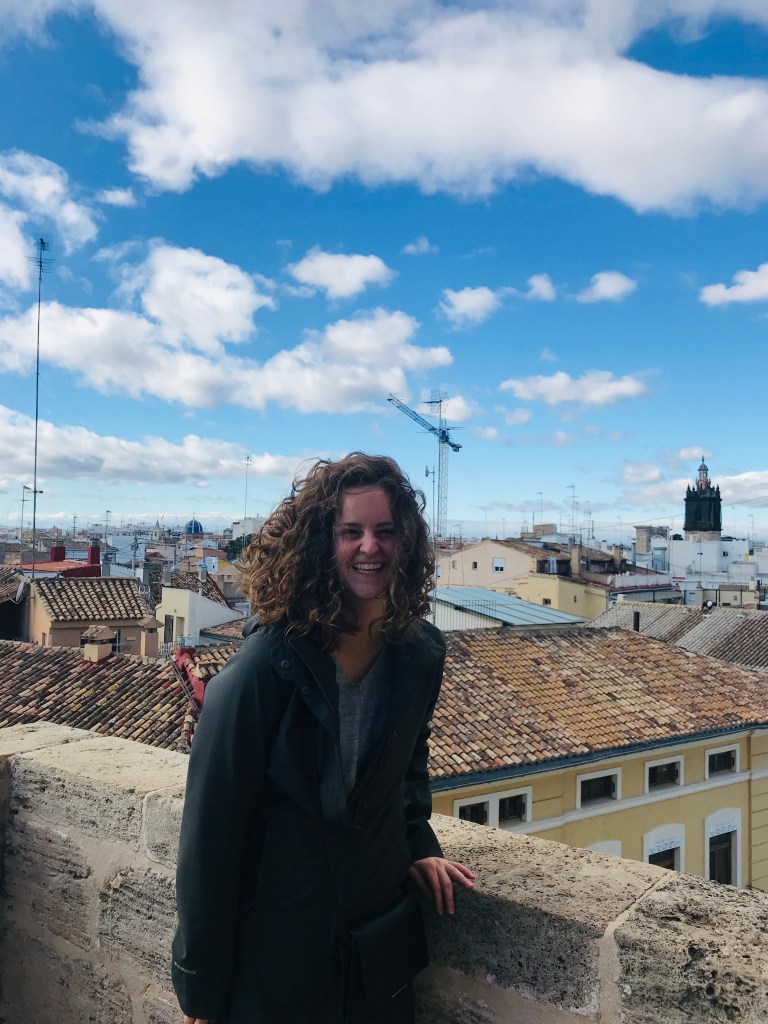
Valencia is Spain’s third largest city, so the tower gave us a really pretty view of the sprawling city. (Also, while we were up there, we got to watch some kids play a hybrid of soccer and basketball during their school recess — yes, their outdoors space is on the roof!)

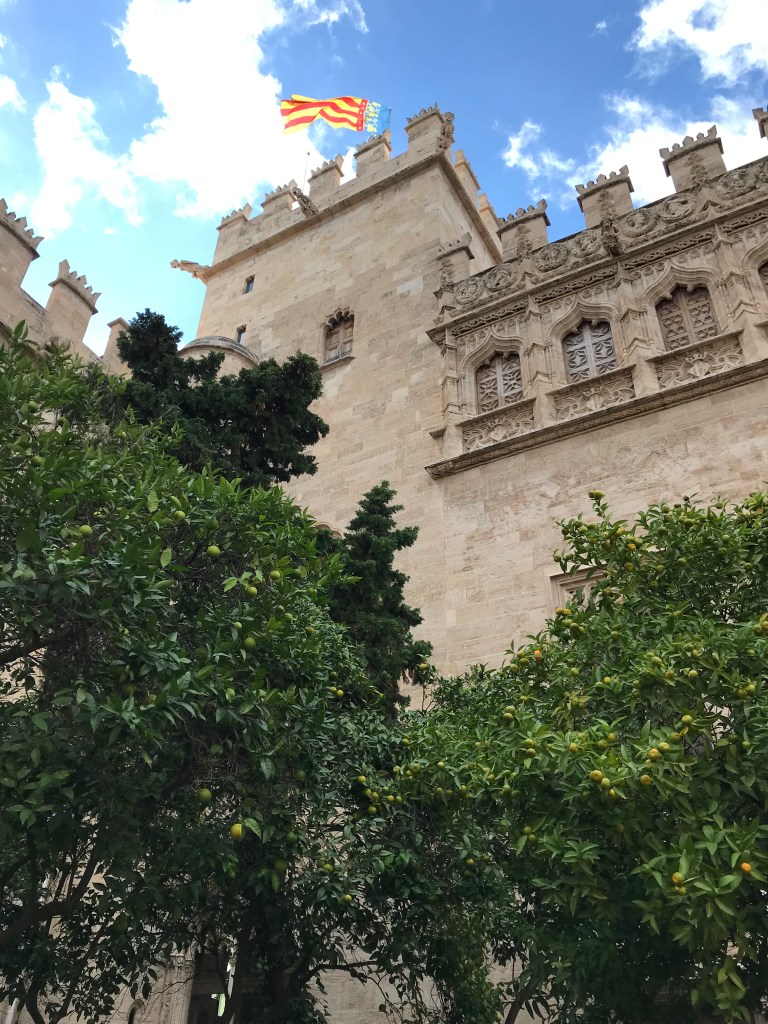
Then we went to a place called la Lonja de la Seda, which is an old marketplace where they used to trade silk and oranges. The building actually had a courtyard filled with orange trees. (Fun fact: Valencia is actually known for their citrus, specifically oranges, so orange trees were just casually everywhere in the city — super cool!)

Orange trees!!

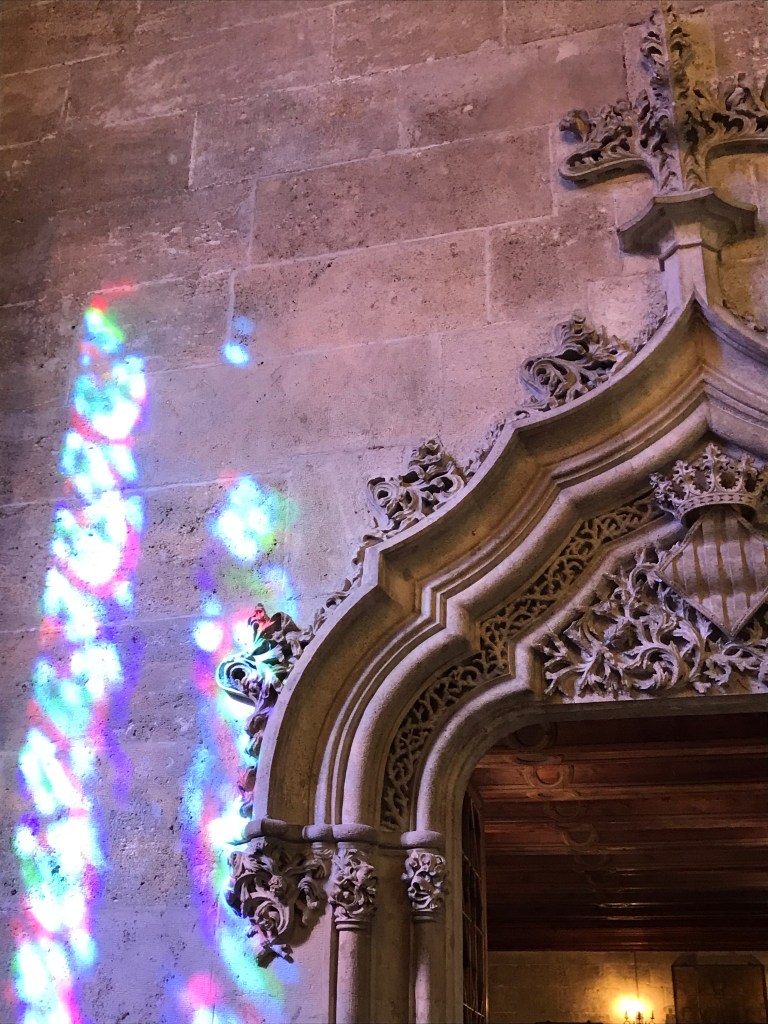
Inside, the marketplace looked more (to me, at least) like a huge ballroom, with stained glass and ornate ceilings, and then below the ground-level floor, there was also a prison, where they would keep people who tried to cheat the trading system. To me, it looked like something out of Pirates of the Caribbean.

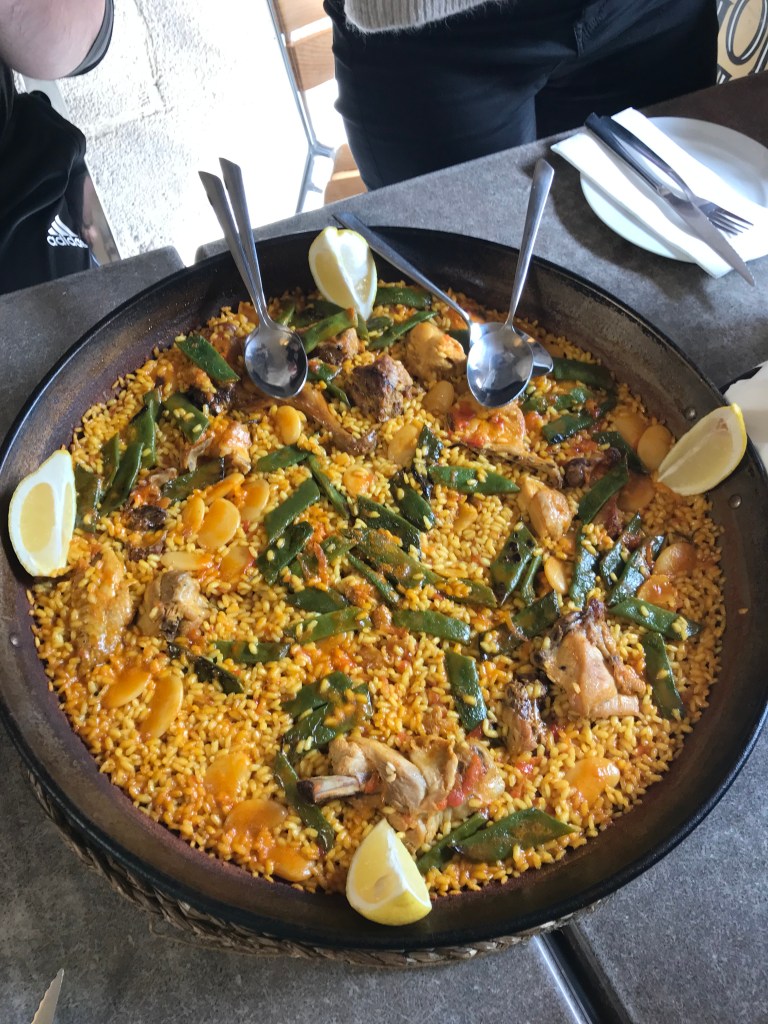
After that, we had free time to explore and grab lunch. Feeling adventurous, I shared another one of Valencia’s distinguished cuisines: rabbit paella. Oh yes. I wasn’t a huge fan of the rabbit, but the paella itself was delicious (and let’s be honest, pretty to look at).

It was a gigantic pan

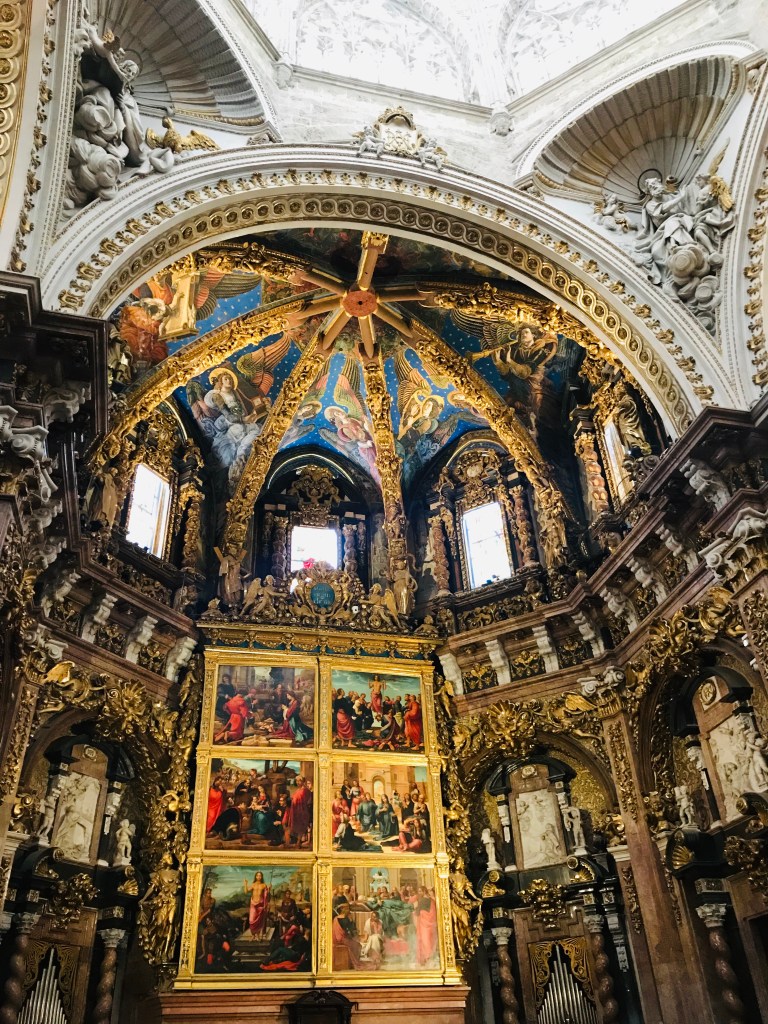
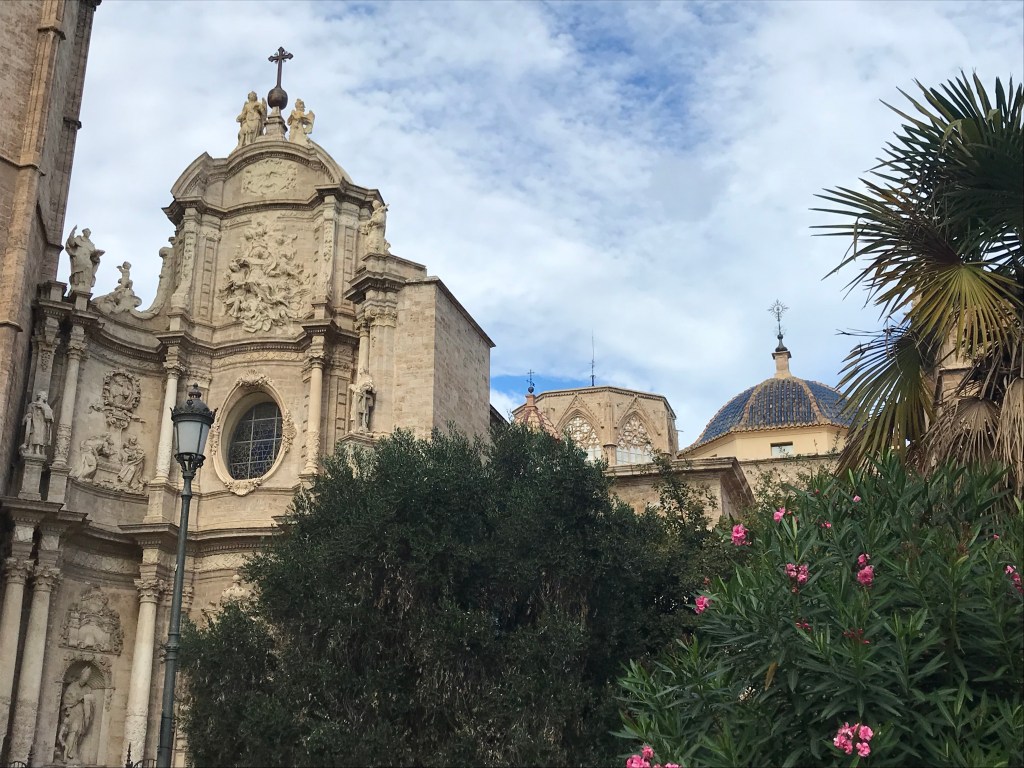
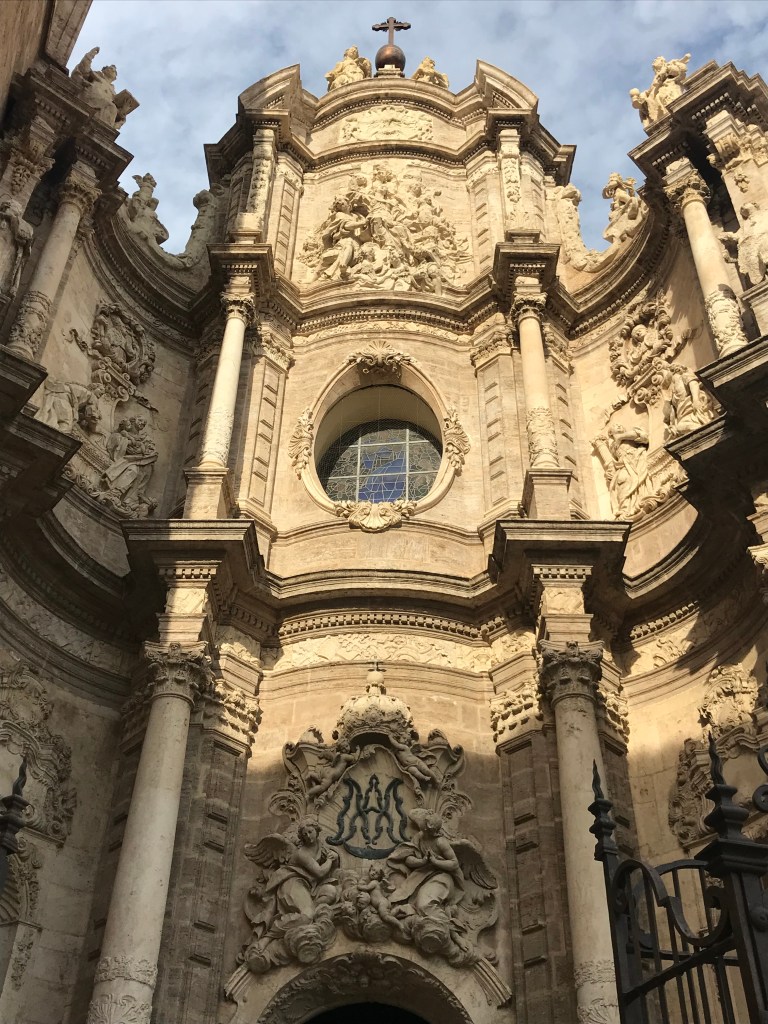
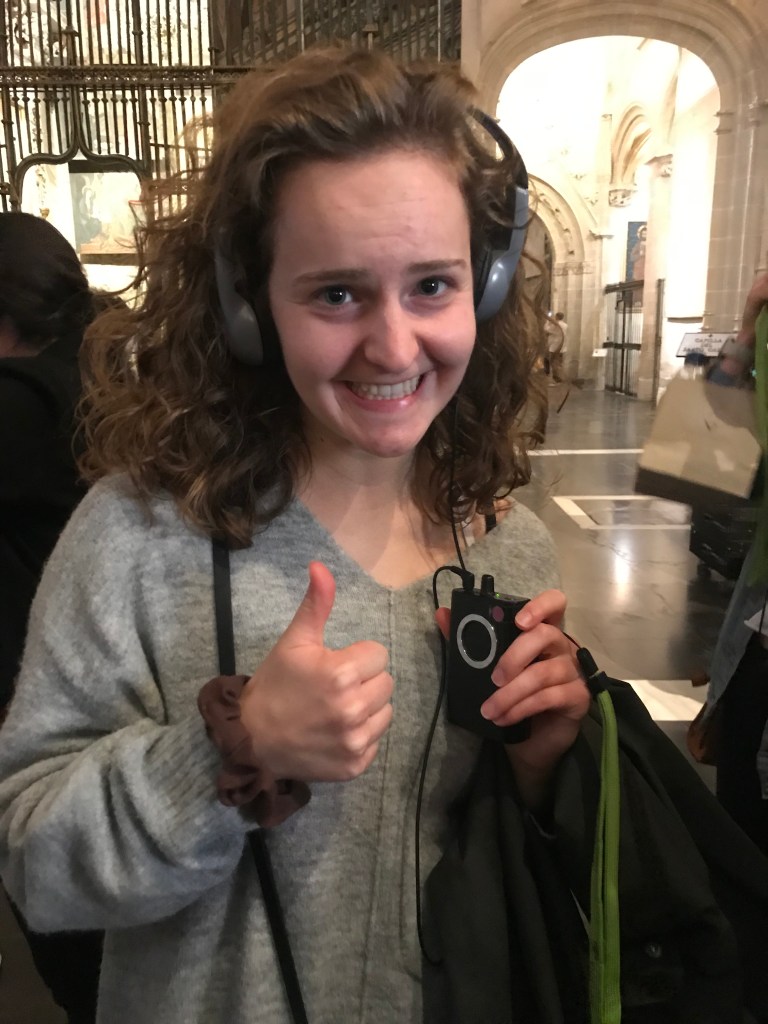
After lunch, we met up with the rest of the group and then visited la Catedral, which we toured by doing a audio tour. It was really funny to watch because all of us were listening to a synced audio that one of the professors controlled, so all 25 of us would get up and move at the same time as a group — seemingly without any prompting. Very amusing to watch.

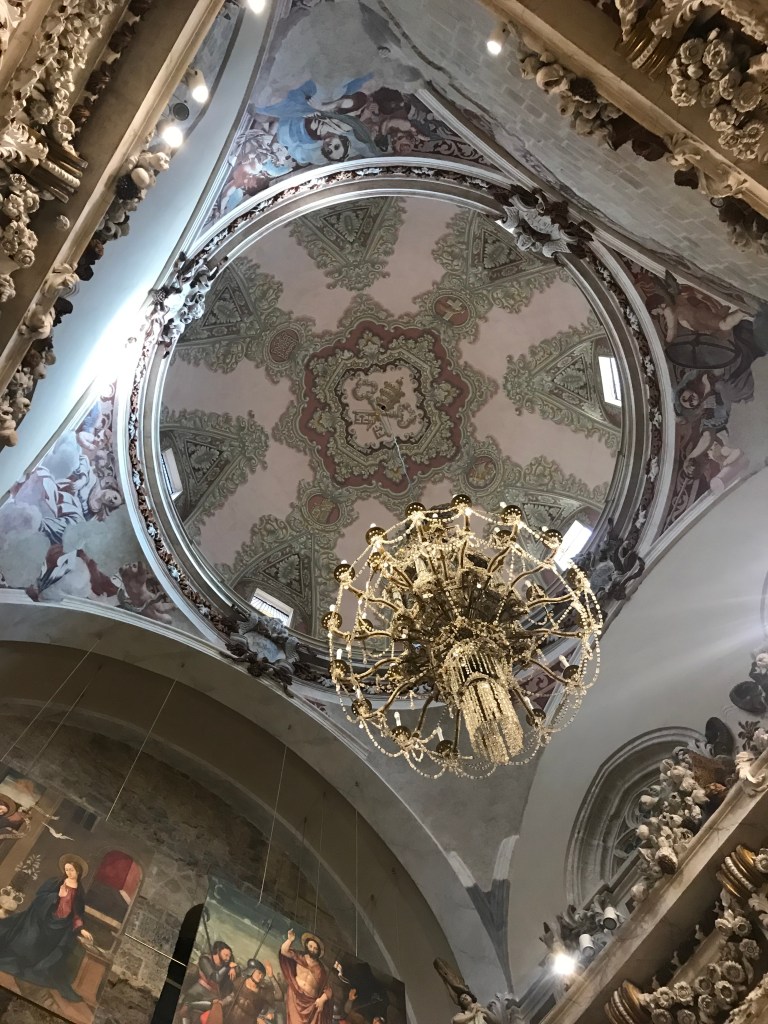
The Cathedral itself is gorgeous and I’m sure my face was stuck in a shocked position the entire time. I’ve got a weakness for huge and ornate cathedrals, so it was amazing to get to explore this one a little.

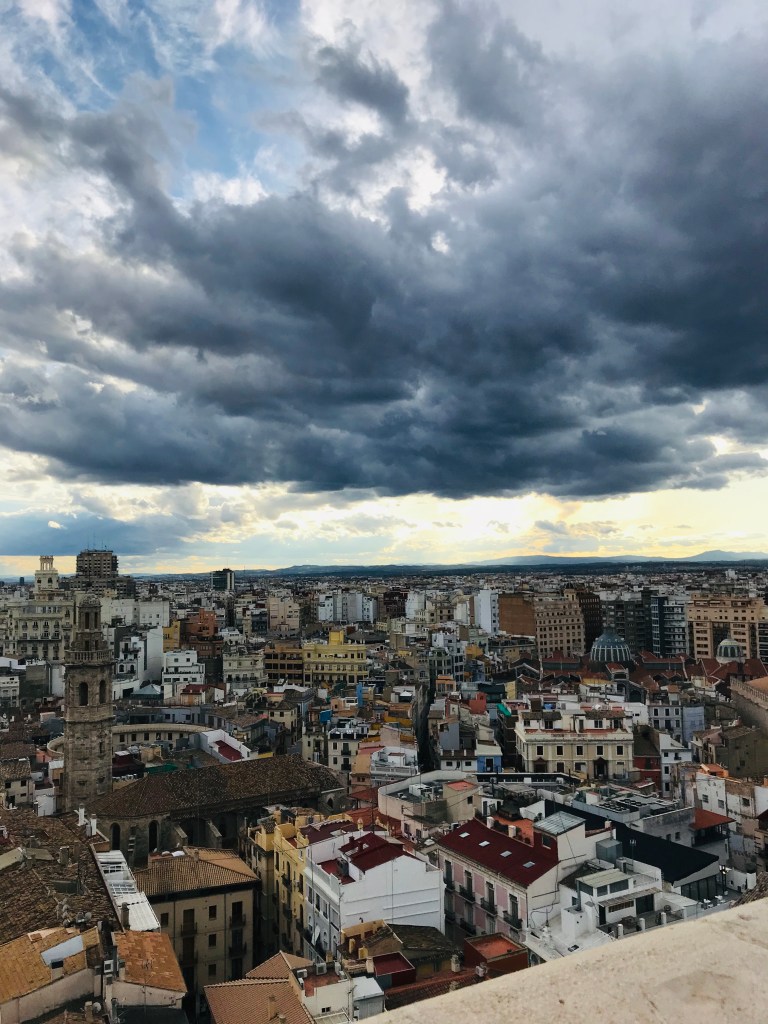
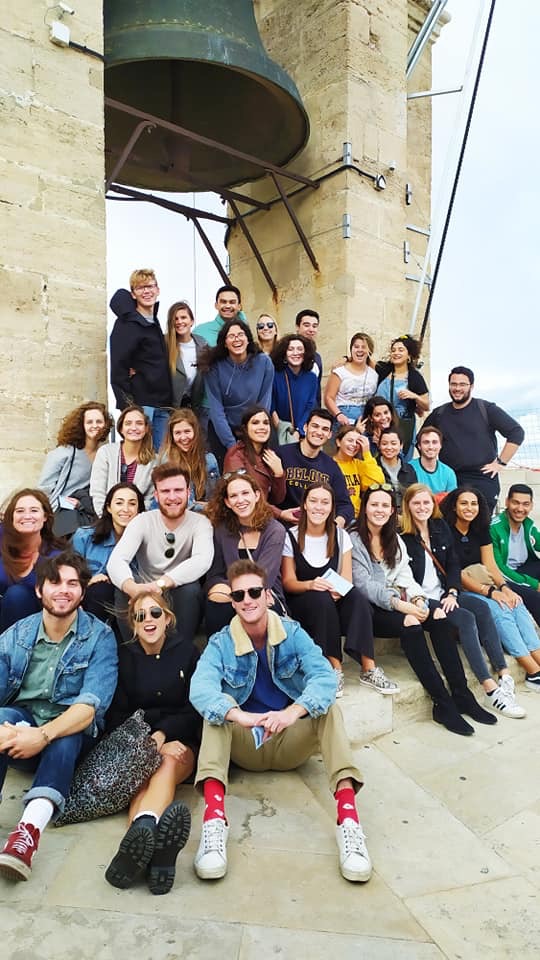
Connected to the cathedral is the bell tower, even higher than the tower of the wall that we visited earlier that day. We went up through a steep, narrow spiral staircase and then were treated to some spectacular views at the top.

Absolutely breathtaking, no?

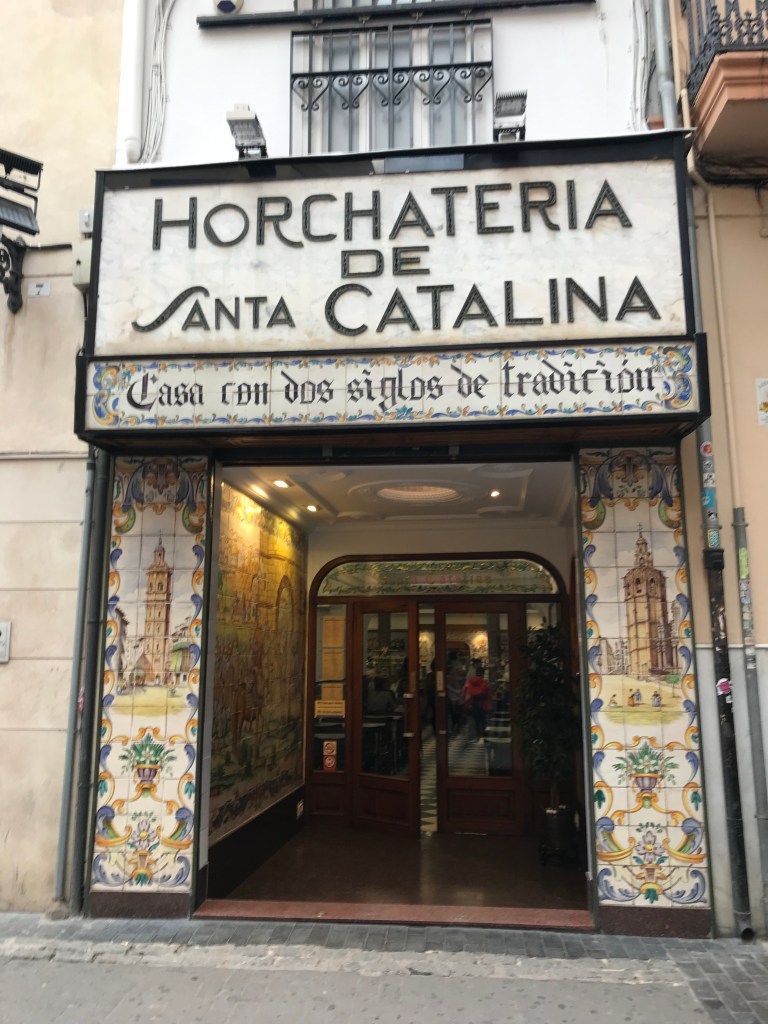
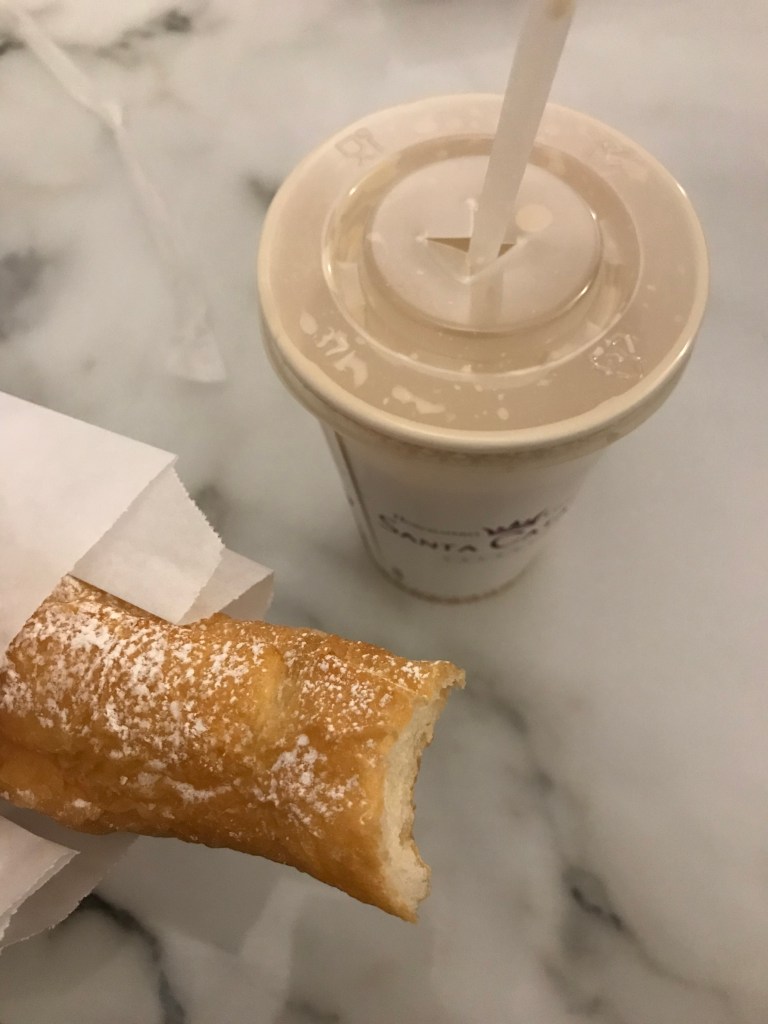
After that, we visited a horchateria to try una horchata, a plant milk beverage. Apparently they have this in Mexico too and some of my friends said that they prefer the Mexican version, so I’m going to have to try the Mexican version style to see which I like more (it might be an easy evaluation since I didn’t like Spanish one very much).

Friday

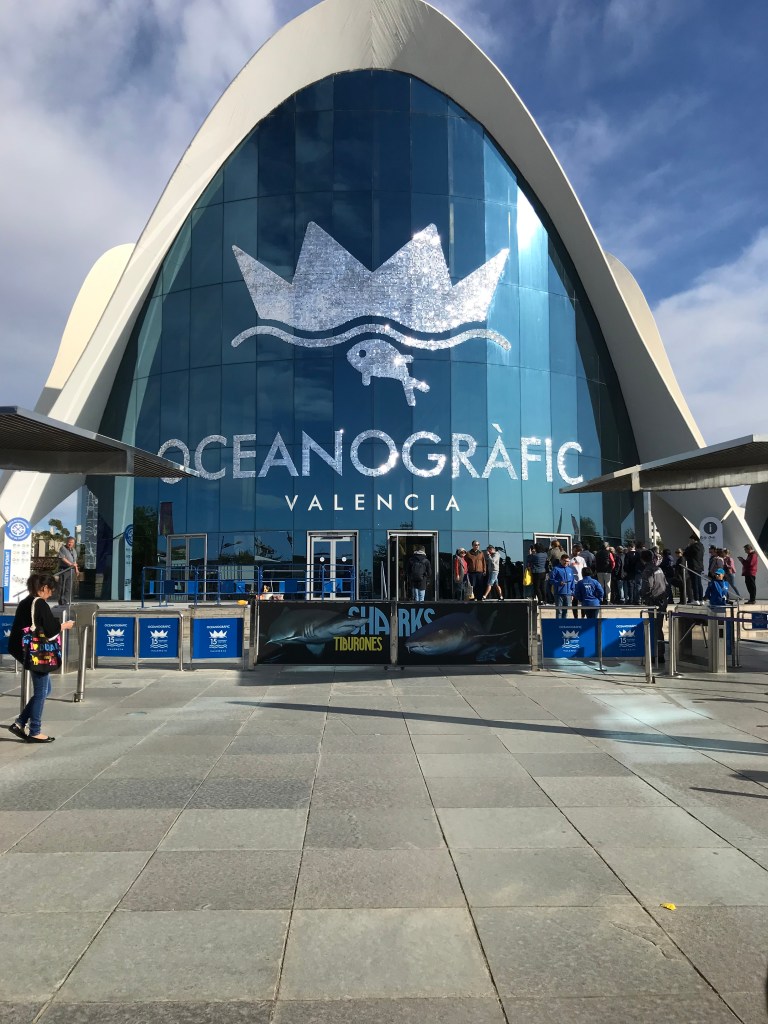
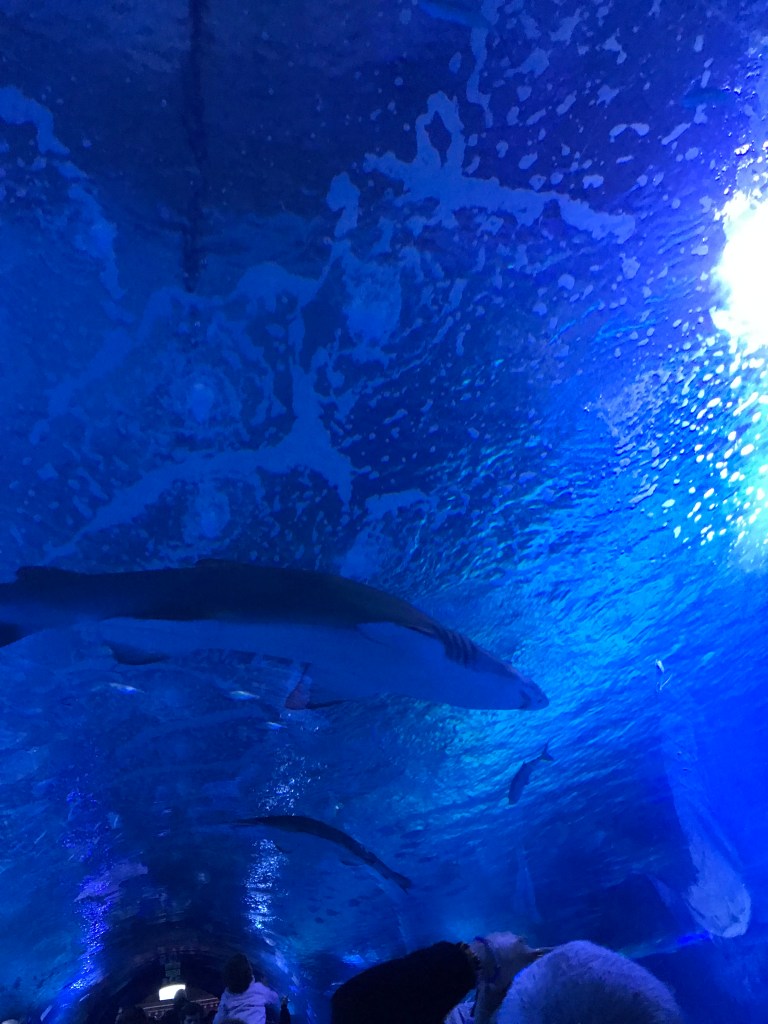
We spent Friday at the Oceanográfico, which is the largest aquarium in Europe and, I believe, ranked the sixth best in the world. It has everything and is gigantic! It’s claim to fame, though, is its long shark tunnel, a glass tunnel where huge sharks swim all around you. Super cool.

The first thing we did was go on a backstage tour, getting to see how the aquarium runs and all the projects they are working on. We listened to the guide talk into a microphone through little headphones, but there was so much feedback and poor connection (in addition to the explanations being in Spanish) that I couldn’t understand 90% of what the guide said. Nevertheless, it was still cool to see the backside of the aquarium.

The coolest part by far though was toward the end of the tour. Remember that shark tunnel that I mentioned earlier? Well, obviously the tanks surrounding that glass are huge and above that tunnel and those tanks are catwalks (like you would find above theater stages) that they use to check in on the sharks and feed them. Well, we got to walk on those catwalks, which was immensely cool but also really scary. The catwalks themselves were pretty shaky and sometimes they would creak and dip down (also, I saw that some were being held together by zip ties — not a confidence booster). So there I was, walking on shaky catwalks that were about two feet above water that held GIGANTIC sharks that were RIGHT THERE. My heart was definitely racing.

After the tour ended, we had free time to go and explore the aquarium. Even with a decent amount of time, we still didn’t explore all of what it has to offer.

Overall, I had a blast in Valencia. Two days isn’t enough to thoroughly explore the city, as there’s lots more to do and see there. Definitely somewhere I would go back to again!

Next time: my visit to a winery and other random happenings.

Happy (early) Thanksgiving everyone!

¡Hasta luego!

— Grace
Featured

Odds & Ends

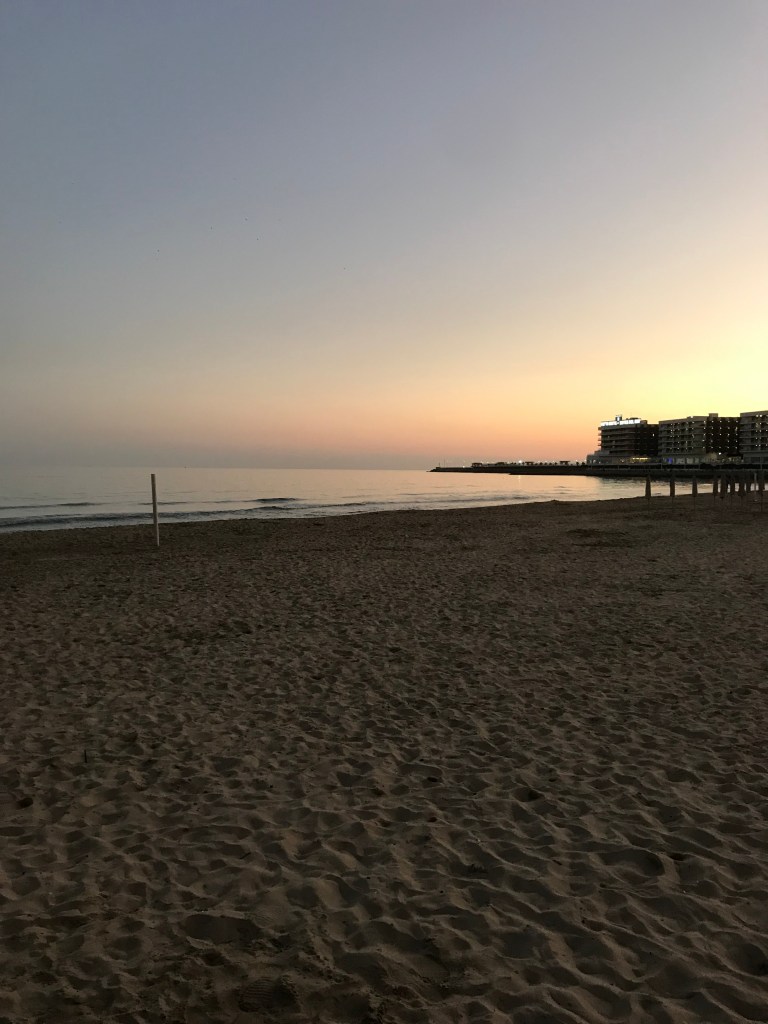
Beautiful sunset on the beach

Well, we’re officially within a month for my return to the United States (29 days today)! Crazy!

This post is going to be a conglomeration of a lot of little or extraneous things that I’ve experienced over the last couple weeks. I’ll try to make it as least jumpy and scattered as possible, so just bear with me!

Halloween

They do celebrate Halloween here in Spain, but definitely not to the extent that we do in the United States. Here are some similarities and differences that I noticed:

  • Kids still dress up, but more than anything they dress up in scary costumes or as TV/movie characters. Dressing up as animals or regular people (such as clowns, cowboys etc.) is done during Carnival and so Halloween is specifically a time for scary things.
  • Because all housing in Alicante is apartments (where you need several keys or buzzing-ins to reach the actual door), I was curious how trick-or-treating would be done. It goes like this: whoever is in charge of the apartment complex puts out a piece of paper and whoever wants to hand out candy signs their name next to their apartment number (equivalent to the light system in the US). Then, groups of kids (10-15) all come together (sometimes with a parent, sometimes without) and buzz the intercom, saying “truco o trato” (trick or treat). You buzz the kids in and then they come to your apartment door, knocking on the door and saying “truco o trato” again. They go to all the doors in that apartment complex that signed the paper and then move on to the next one. To me, it’s much more complicated, but the end result is the same.
  • We had three or four groups of kids visit our door.
  • My host mom had me help her with handing out the candy which gave me the chance to see another difference between Spain and the US. The candy my host mom handed out included hard caramels, unwrapped sour candies, and unwrapped marshmallows. In the US, handing out unwrapped candy to kids is a huge don’t-do and kids (because of their parents mostly) won’t eat anything without a still-sealed package. I must confess that I felt a little weird handing out unwrapped, single marshmallows to kids, but no one acted like this was out of the norm. Very different from the United States.

Las Cositas (The Little Things)

I’ve begun to realize that having spent three months in Spain has started to have an effect on my brain and its language section. Here are some of the little things I’ve noticed in the past month in terms of my Spanish and Spanish abilities.

  • One of my professors suggested that a good way to familiarize yourself even more with Spanish is to watch Spanish kid cartoons, which makes a lot of sense when you think about it. Kid cartoons are created with the purpose to teach language, grammar, and vocabulary, as their primary audience is learning how to communicate. Instead of watching kid cartoons, I’ve started watching Spanish shows on Netflix (in Spanish, of course, although they do have English versions if anyone wants to watch them — they’re very good) with the Spanish subtitles on. The subtitles help me because a) I’m a visual learner and b) my hearing isn’t quite good enough yet to catch all of what they say (my reading level far surpasses that of my ear). It’s helped a lot and is something I’m going to continue when back in the US.
  • It might tickle you to know that I now catch myself talking to myself and thinking to myself in Spanish. When I’m thinking about what to do next, I’ll say “vale, vale, vale” (“ok, ok, ok”) or when I stub my toe or something like that, I’ll use Spanish interjections instead of English ones. It’s very weird, but also really cool.
  • Another thing that has shocked me is that I’ve ordered food so many times in Spanish that I’ve begun to think that food ALWAYS needs to be ordered in Spanish, like a default. For example, when I went to Glasgow and would be ordering food in a restaurant, sometimes I would start to ask for it in Spanish, an linguistic reflex to ordering food. Very, very strange. I’m worried I’m going to do this when I get back to the US, haha.

Chocolate Factory Tour

Before you get too excited, no one blew up into a blueberry on this tour. In fact, it felt more like I was touring NASA rather than Willy Wonka’s chocolate factory, as everything was mechanized and sterile.

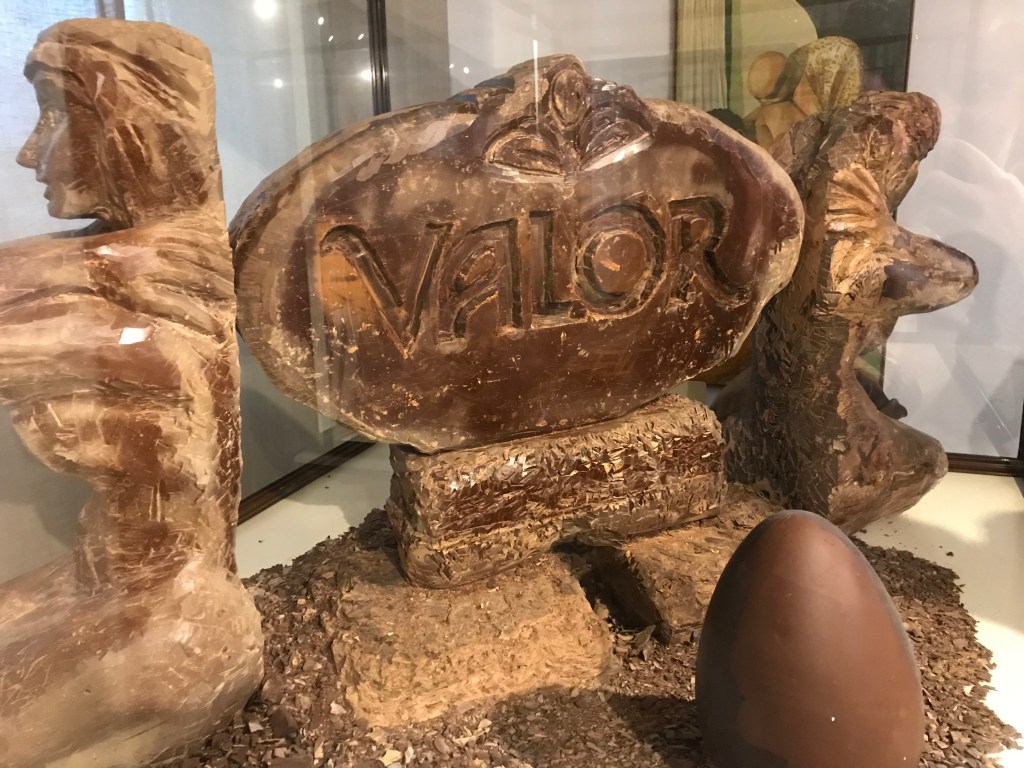
We toured the Valor Chocolate Factory in Villajoyosa (town really close to Alicante) which is the number one chocolate-supplier in Spain. Their chocolate goes all over Spain, of course, but some also comes to the United States too. On the tour, we got to walk in this upstairs hallway that overlooked the factory (they were making some sort of chocolate bonbon when we were there so that was cool to see) and then we watched a video about how they make their chocolate. There was also this amazing sculpture (which is made entirely out of chocolate):

All chocolate

Then they took us to their gift shop where they had samples of four of their chocolate bars for us to try (they were all DELICIOUS!). Overall, it was a really fun experience and another cool thing that my program organized for us to do.

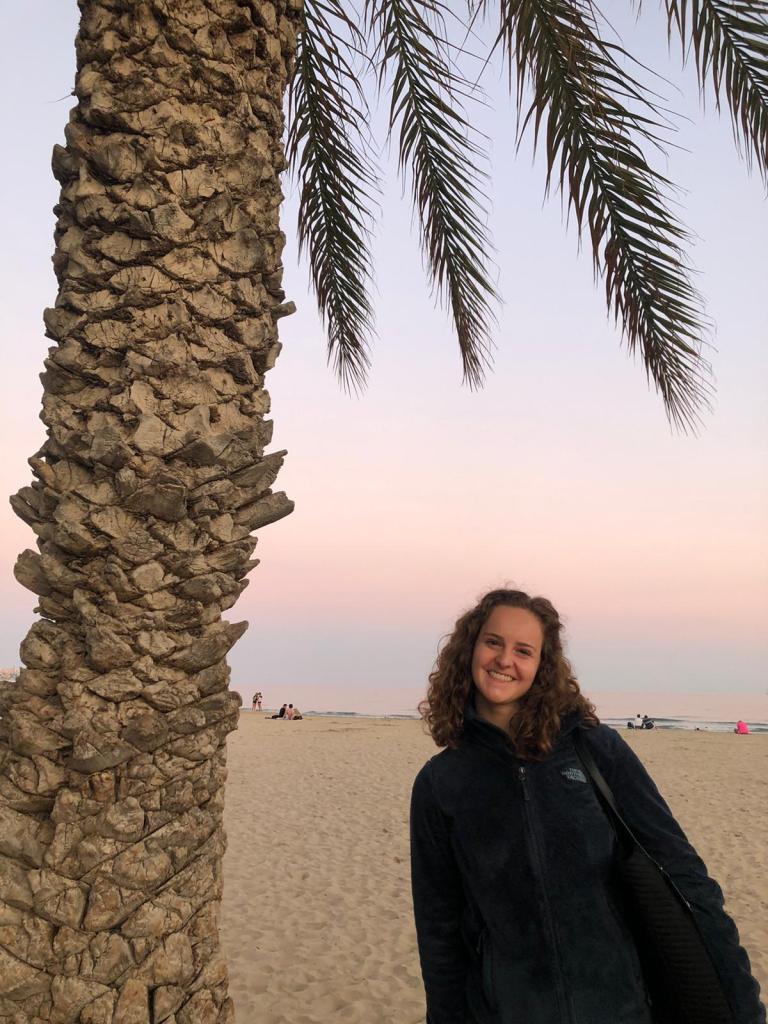
Finally, here’s a picture of me and the beach and the starting sunset.

Yours truly

I must confess, it’s a bit strange to listen to Christmas music while walking on the beach (yes, I have started listening to Christmas music — yes, I am that person). But, as my mom mentioned, the Wiggles celebrated Christmas on the beach all the time, so I’ve just started thinking of myself as their fifth member.

Next blog, I’m going to share pictures and experiences from my trip to Valencia (super fun!), which will hopefully be a little less scatterbrained than this post was!

¡Hasta luego!

— Grace
Featured

Woah, we’re halfway there

Can you guess where I went over Fall Break? Here’s a hint!

That’s right, everyone! I am officially over halfway through my semester in Spain! Can you believe that there’s only exactly 41 days left (yes, I am counting)?

Midterms went well, although I will say I’m glad that they’re over. It was a lot of writing, which — normally — isn’t too much of a problem for me, but two continuous hours of writing in Spanish isn’t something that my brain really loves.

I’m finally (I hope) getting over a sickness that I’ve had since the weekend before midterms (so, that makes two weeks now). I think I stressed myself out before midterms and now have been paying the consequences, but — like I said before — I’m pretty sure we’re approaching the end.

Also, thank you to everyone who’s reached out to me during the past week; I really appreciate everyone’s short notes of kindness or prayer. I think I’m starting to feel better emotionally, but am still very ready to return to the United States and be with my family.

With that said, before midterms and sickness and life hardness, I got to spend my fall break in one of the most amazing places that I have ever had the privilege to visit: Glasgow, Scotland.

One of my friends, Mikayla, is studying at the University of Glasgow this semester and was gracious enough to let me crash at her flat for a while and show me around the beautiful city of Glasgow.

To make this as short as possible (because I could probably talk about Glasgow for hours), I’m dividing my trip up into three categories: food (because, of course), sights, and Edinburgh.

** Quick funny/amusing note before we begin: on my flight to Glasgow, the flight attendants (who were from Scotland) gave the safety procedures orally and then played a recording with the instructions in Spanish. I actually could understand the Spanish version of the procedures better than I could understand the flight attendants who were speaking in English (albeit with a Scottish accents). Suffice it to say, Scottish accents are very hard to understand.

Food

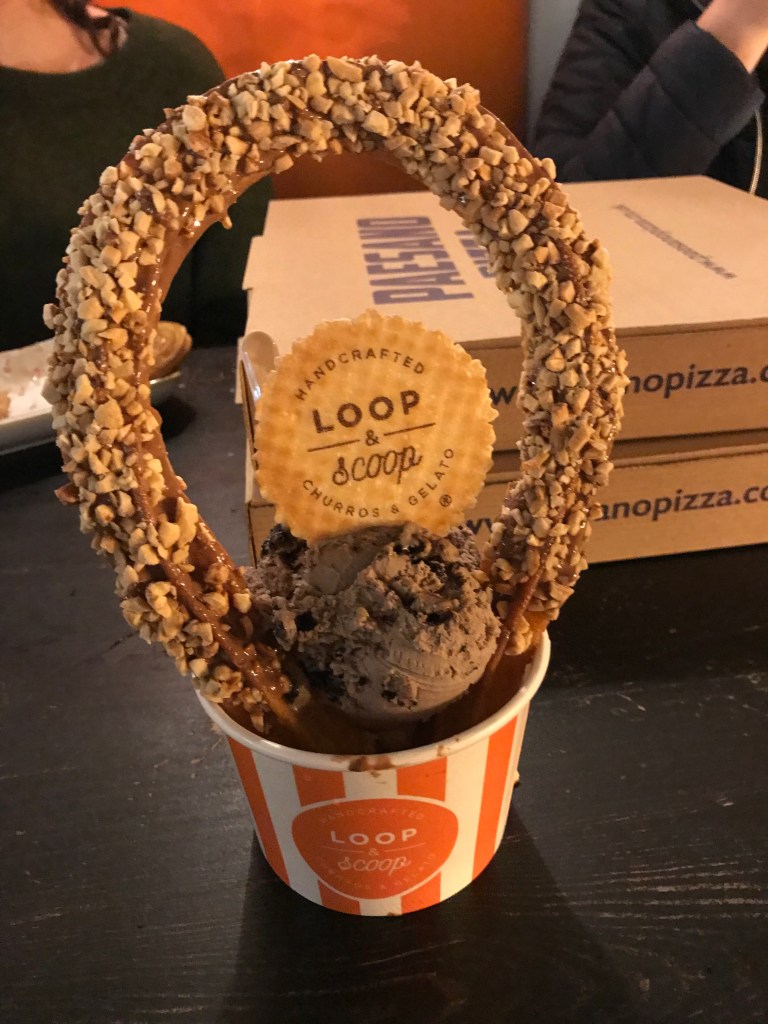
  • The first night, Mikayla, her flatmates, and I went out for pizza (amazing) and then went to this fun dessert place called Loop & Scoop. Can you guess what they serve? Churros and gelato. It was delicious.
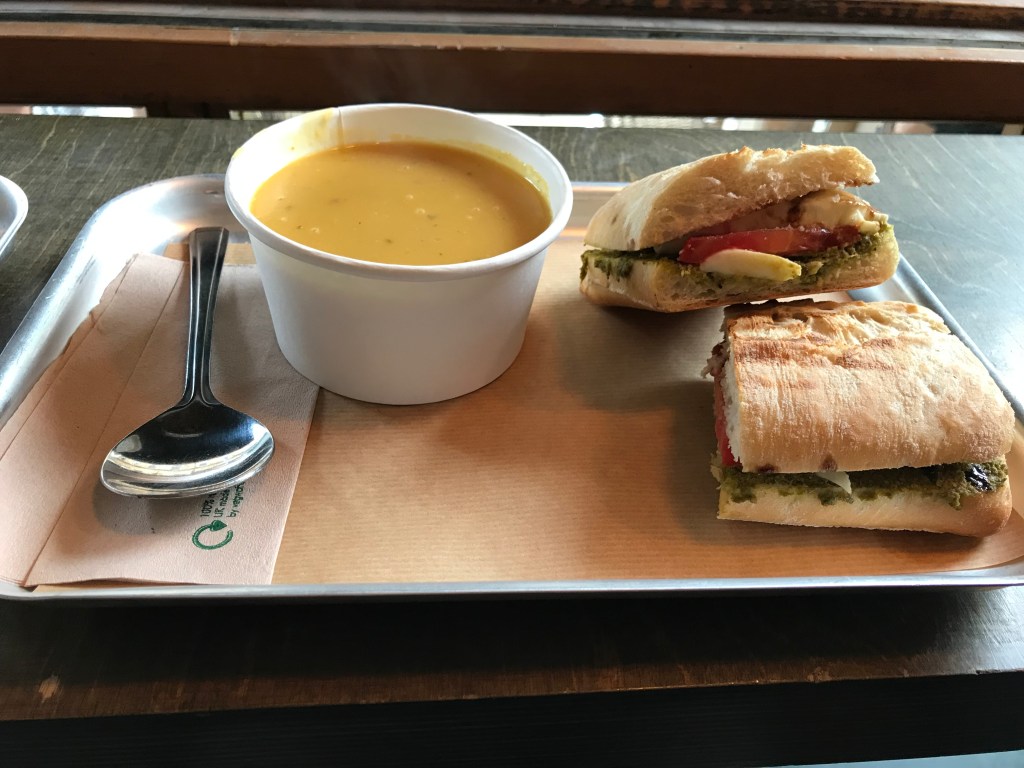
  • Mikayla shared with me one of her favorite lunch spots: Naked Soup. They serve amazing combos of daily soups and sandwiches.
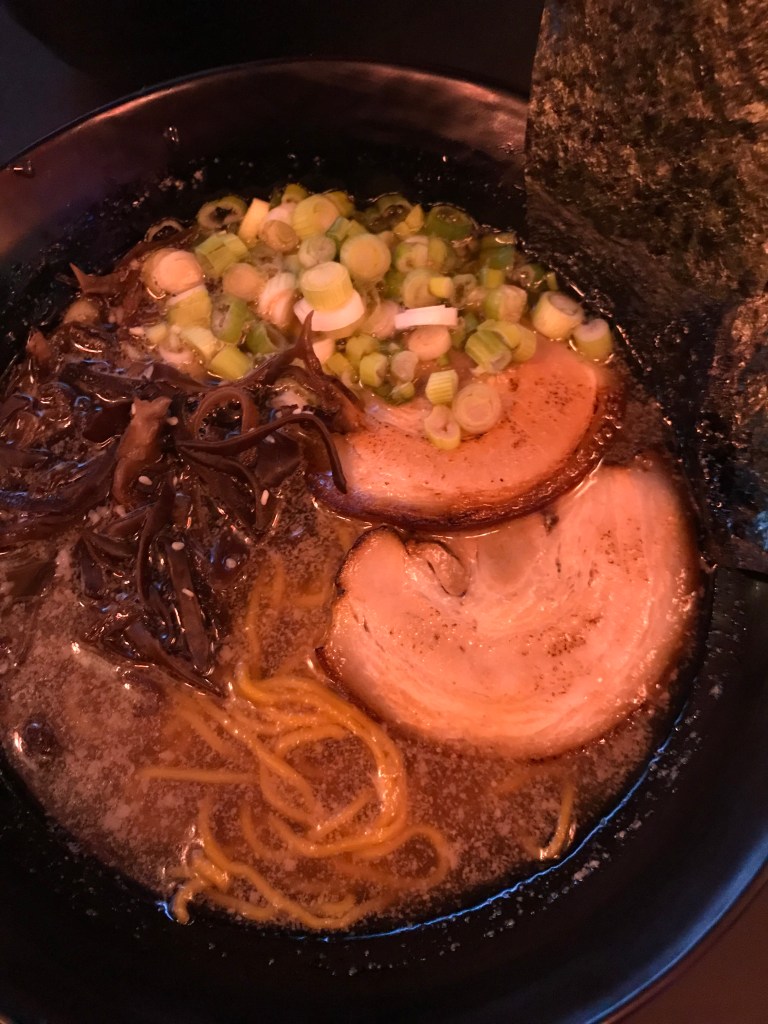
  • We also ate at a tiny ramen restaurant for dinner one night — Ramen Dayo! Both of us are terrible with using chopsticks, but super yummy though!
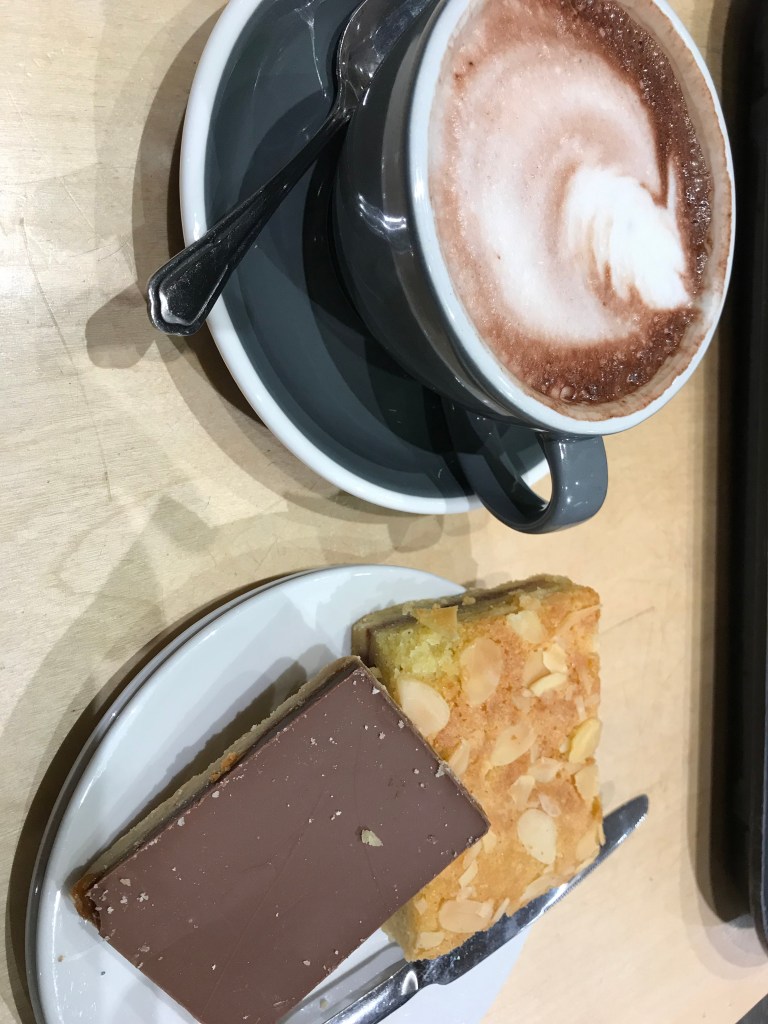
  • Finally, as some of you already know, I am obsessed with the show the Great British Bake Off, so one of my favorite culinary experiences while in Scotland was getting to try some of the treats that I’ve seen on that show. I tried Millionaire’s Shortbread, Bakewell Tart, and Sticky Toffee Pudding. They were all scrummy and I’m definitely ready to make some when I get back!

Sights

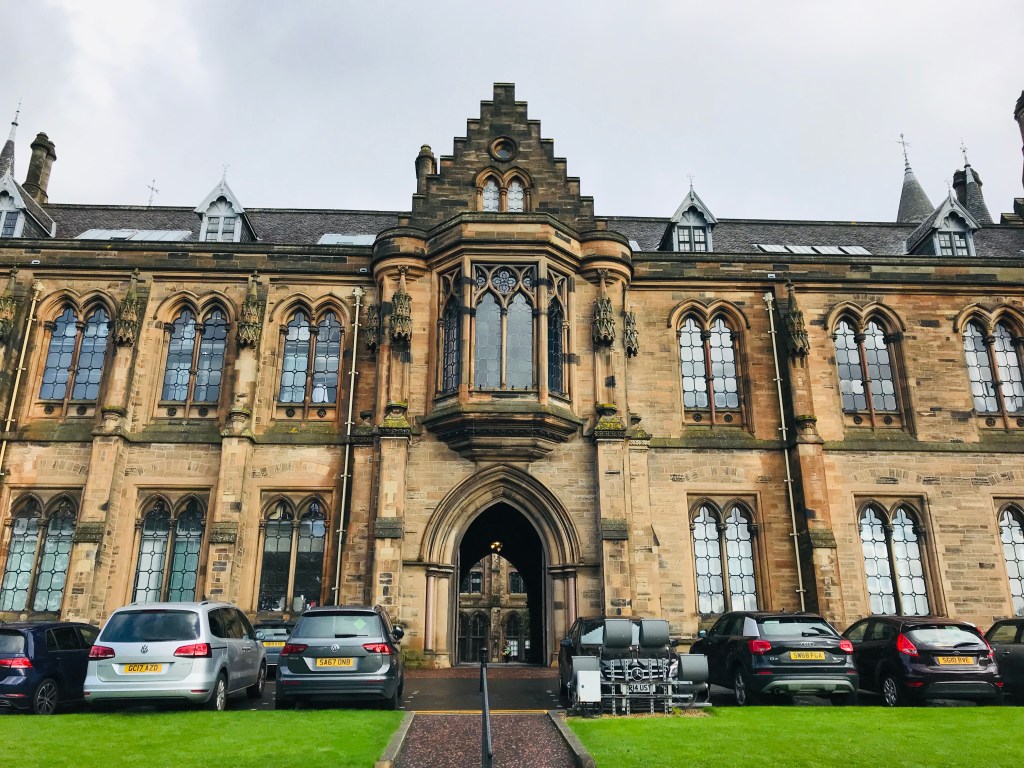
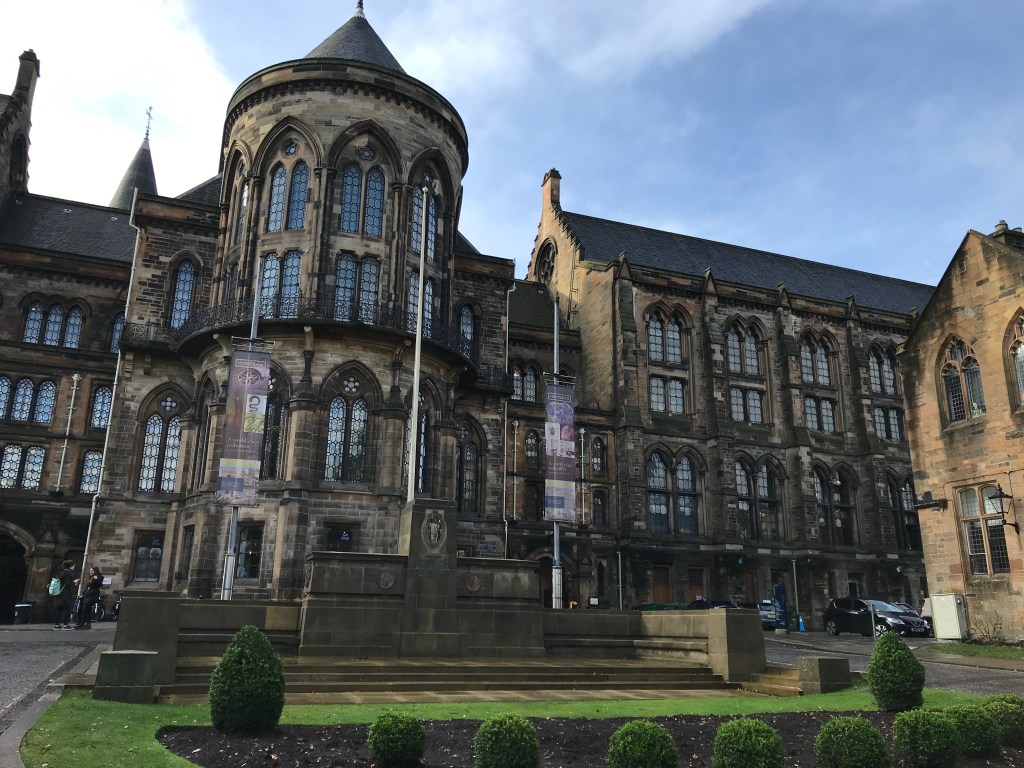
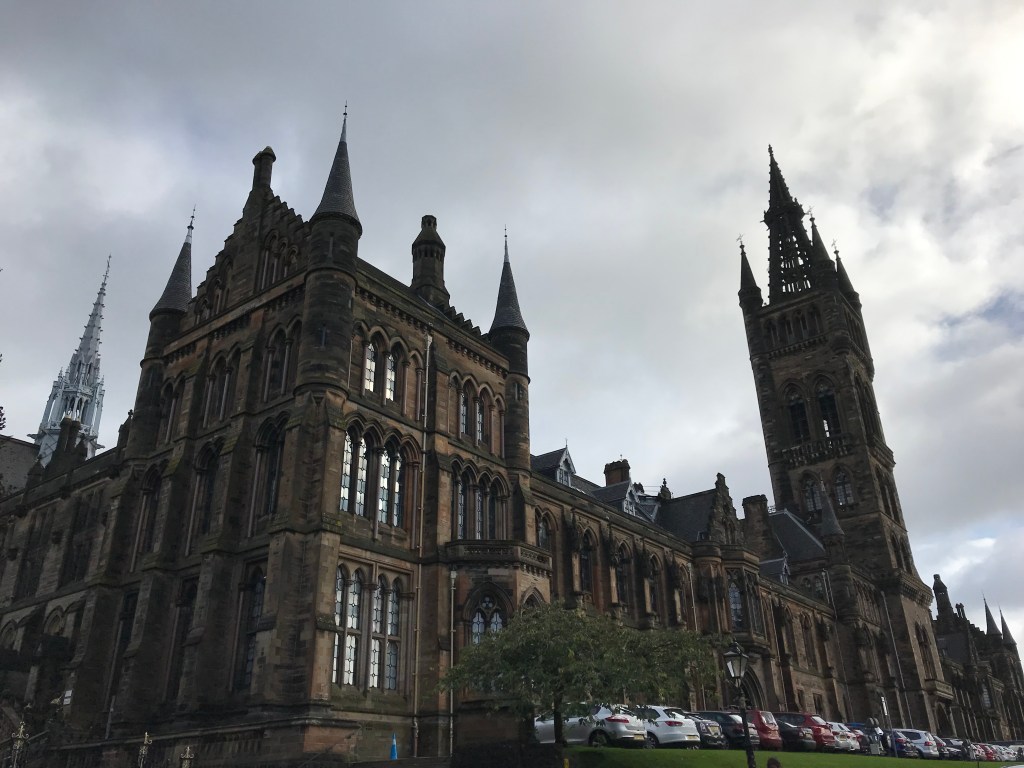
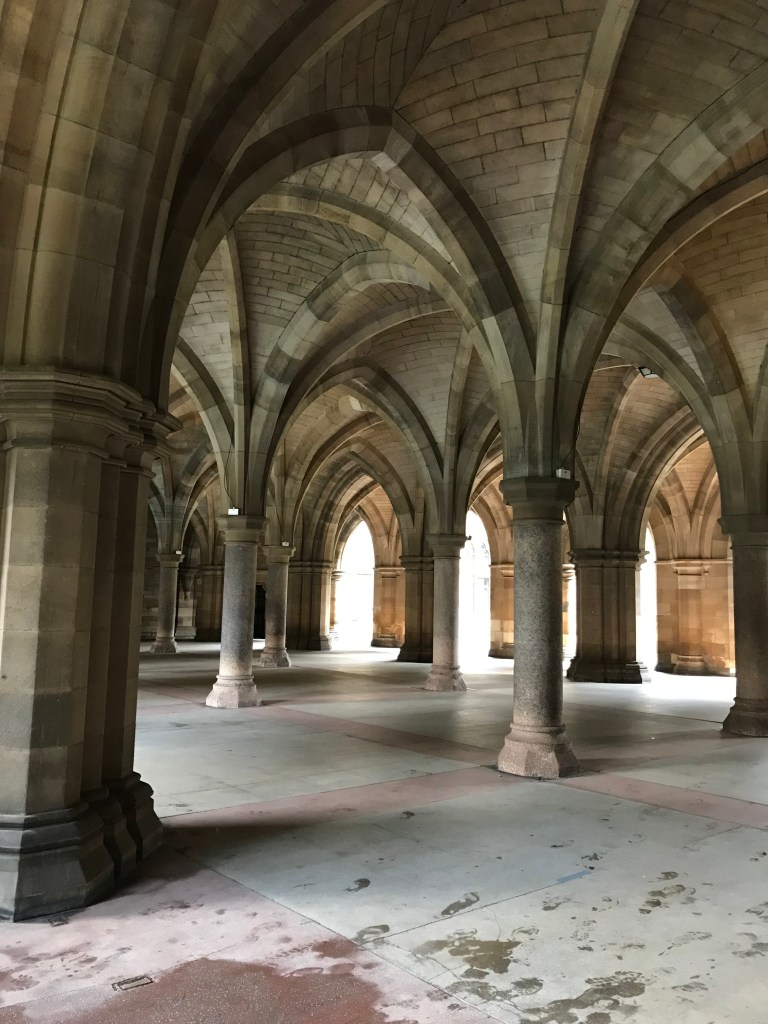
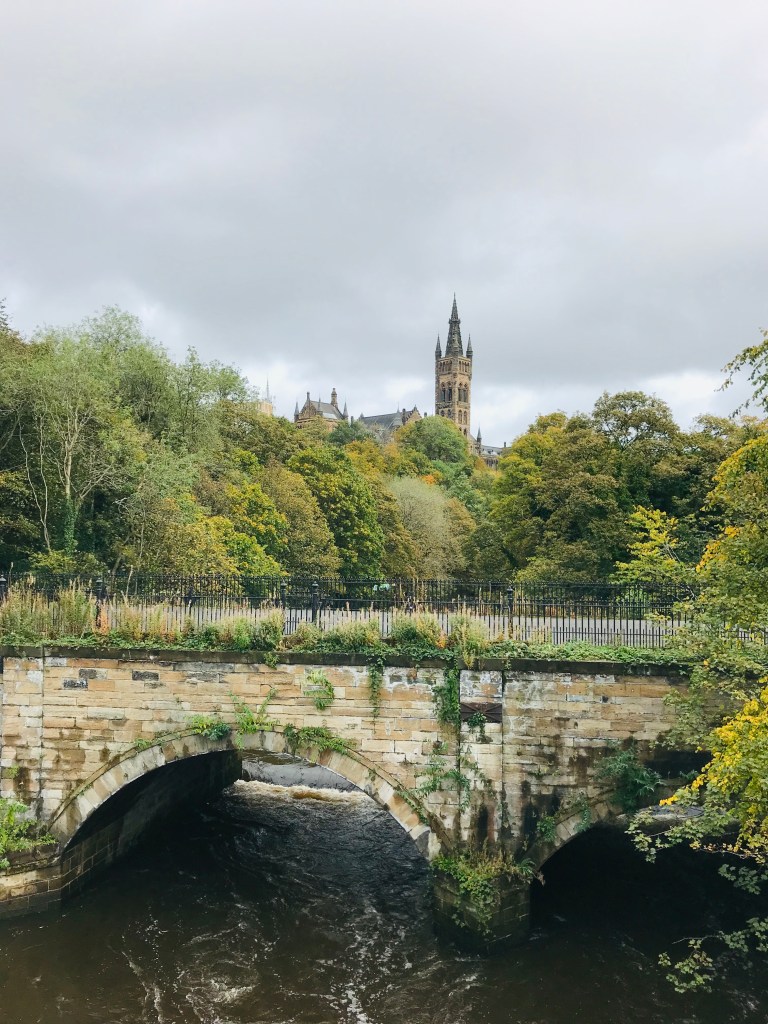
  • University of Glasgow — We walked around Mikayla’s university and it’s pretty much what you would imagine old, prestigious English universities looking like (that is to say, stunning and like Hogwarts). While there, we visited the gift shop (I bought a sweatshirt) and the Huntington Museum, a museum right on the campus.
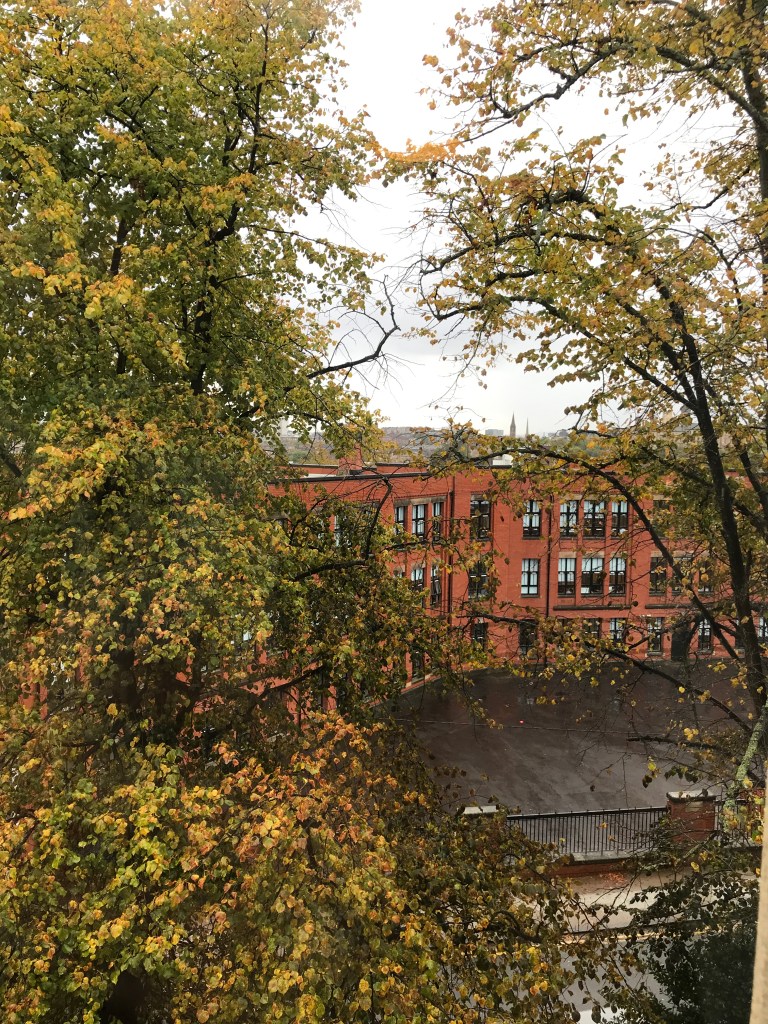
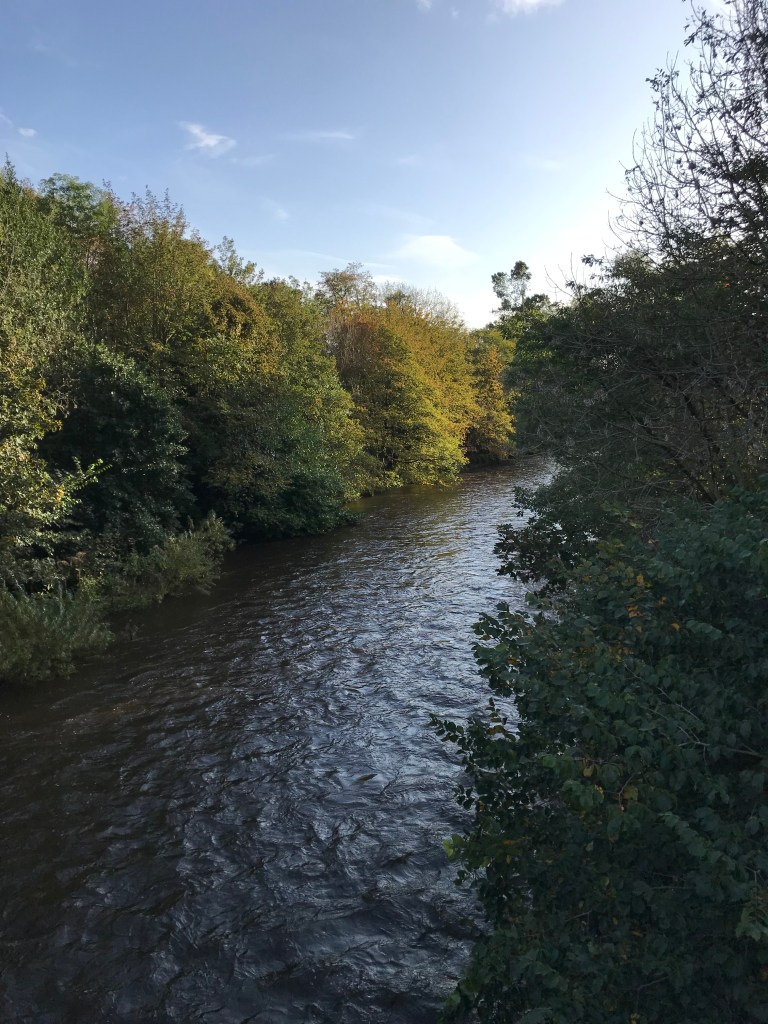
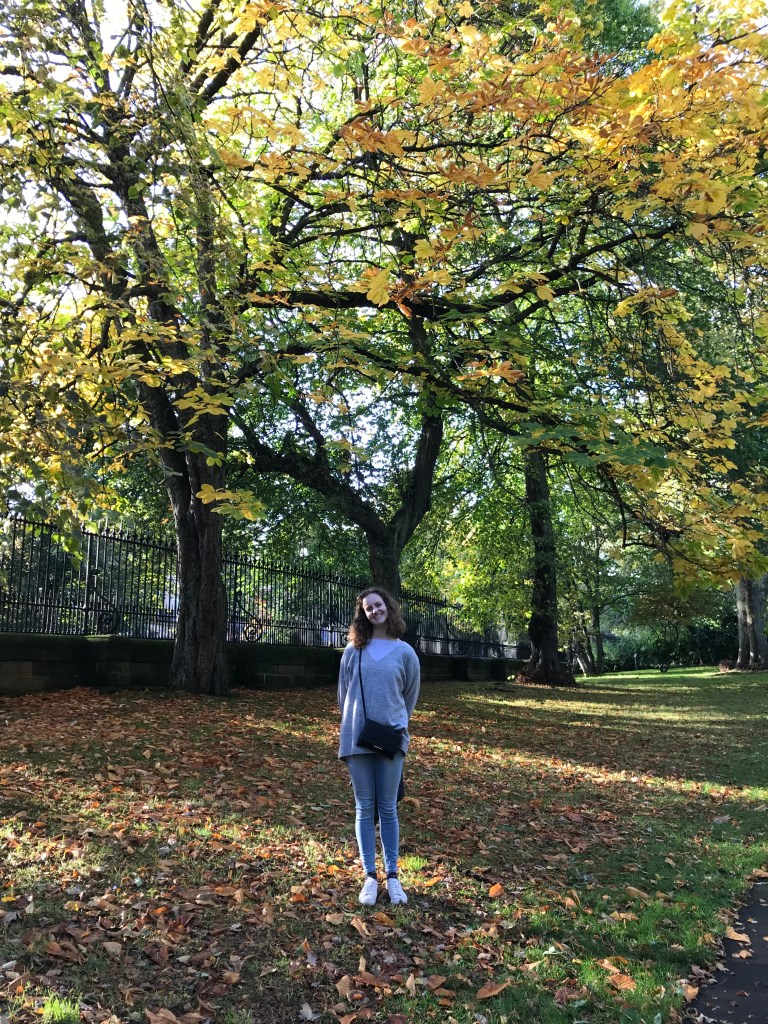
  • Kelvingrove Park — a gorgeous park super close to the University. It’s got everything: running/walking trails, spectacular views, a river with bridges, and lots of dogs. What more could you want? (Side note: Glasgow is stunning this time of year. I was lucky enough to catch the beginnings of the leaves changing color and while it was instead rainy and cloudy and brisk, I loved it; it was definitely a nice change from the 80 degree October days.)
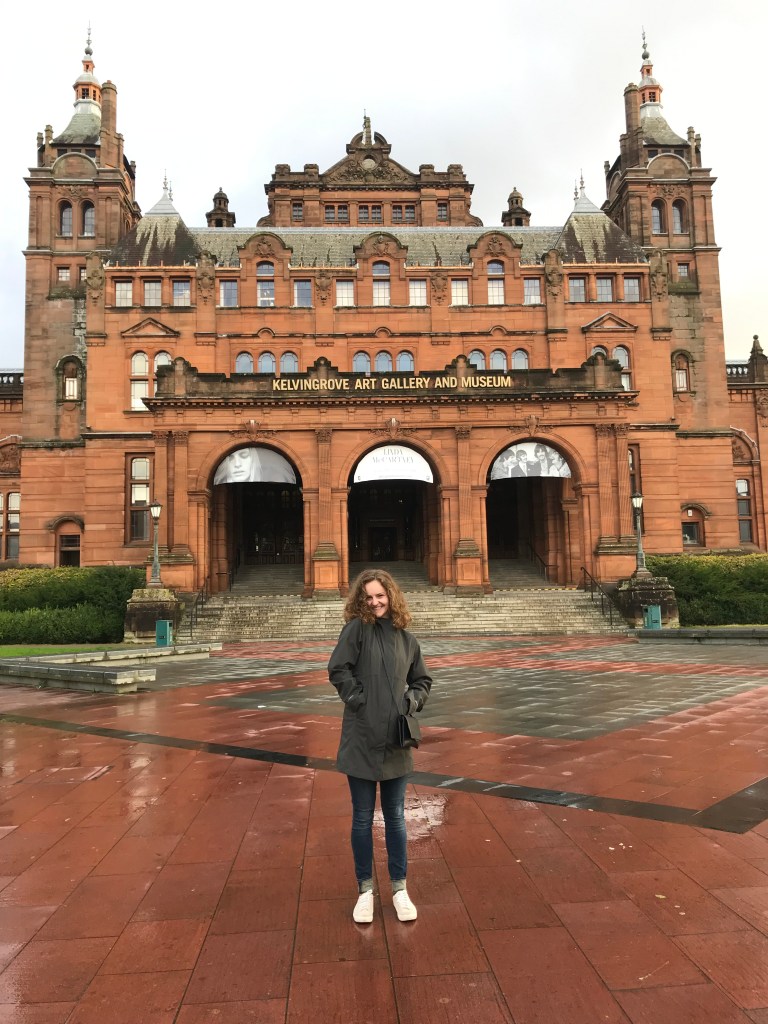
  • Kelvingrove Art Gallery and Museum — a giant art gallery and museum that houses some really cool stuff. I only got to see the art gallery side, unfortunately, but it’s definitely a must-do. I could have spent all day in there. (Side note: most museums/art galleries in Scotland are free to the public, which is nice for broke college students!)
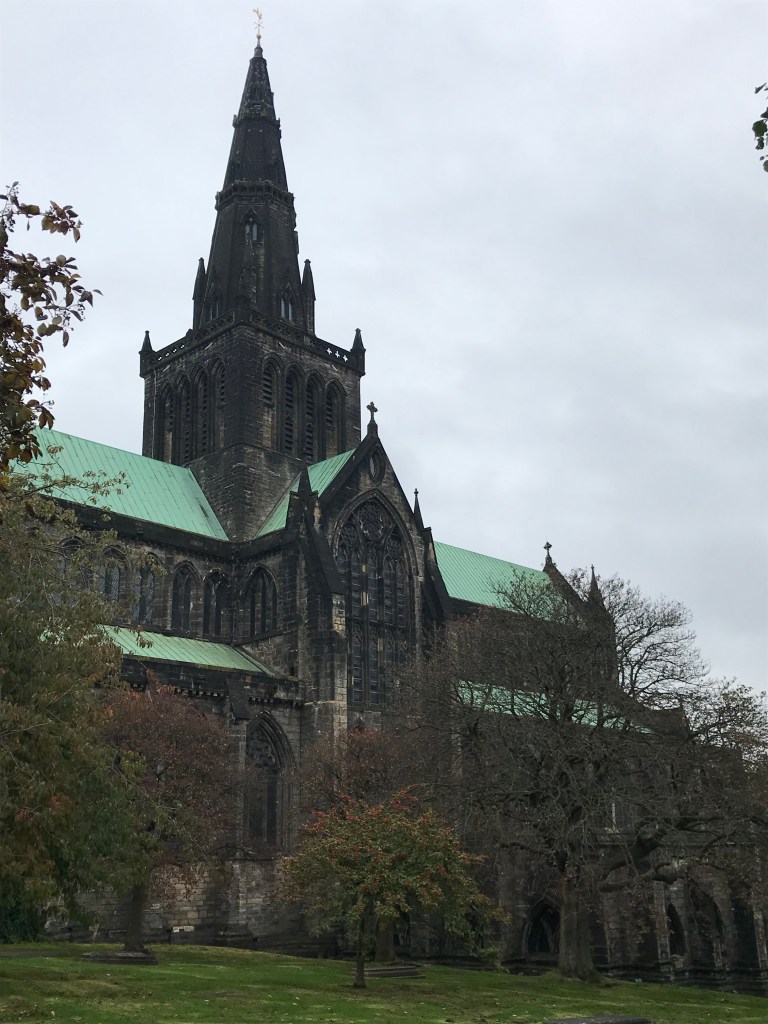
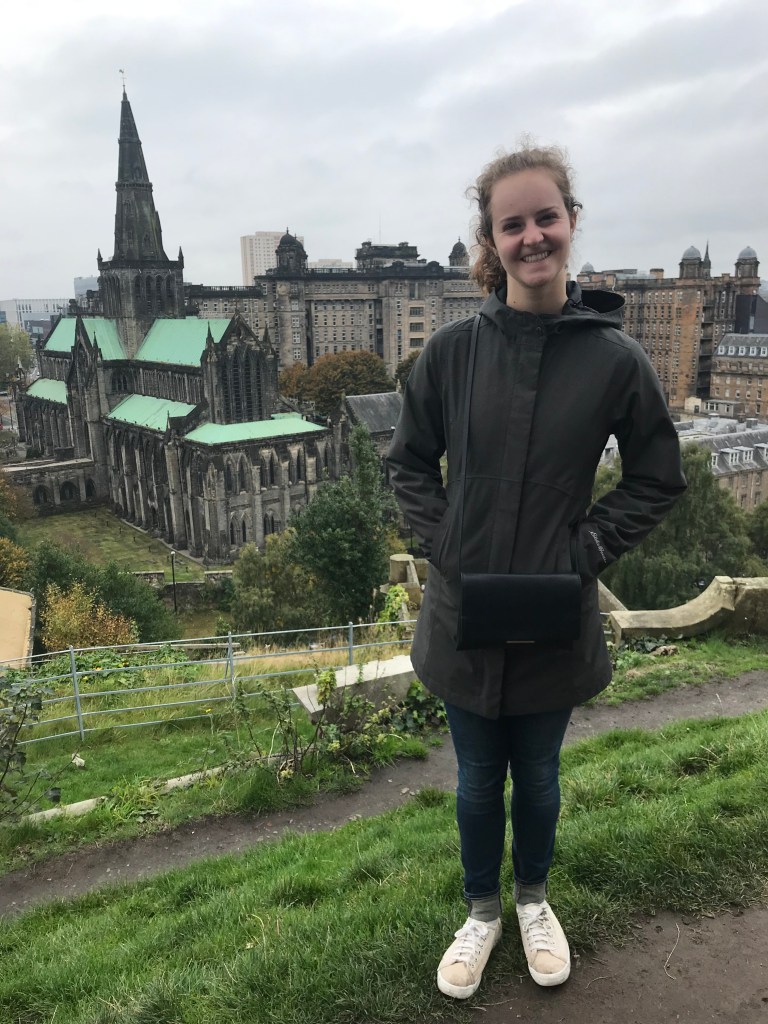
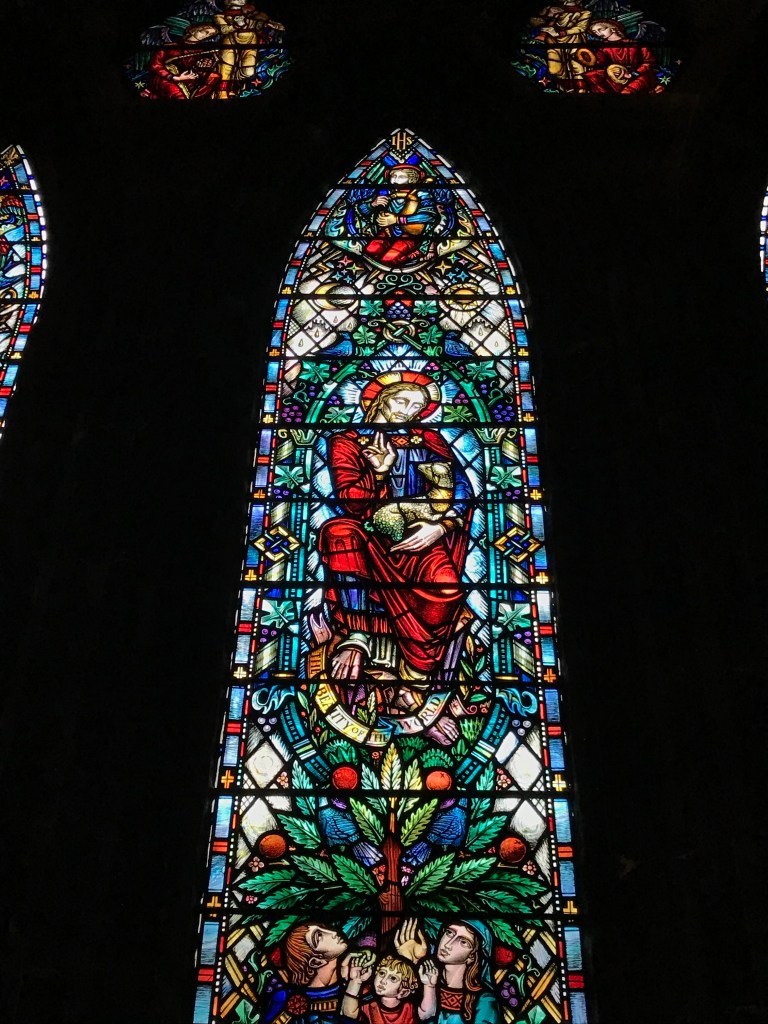
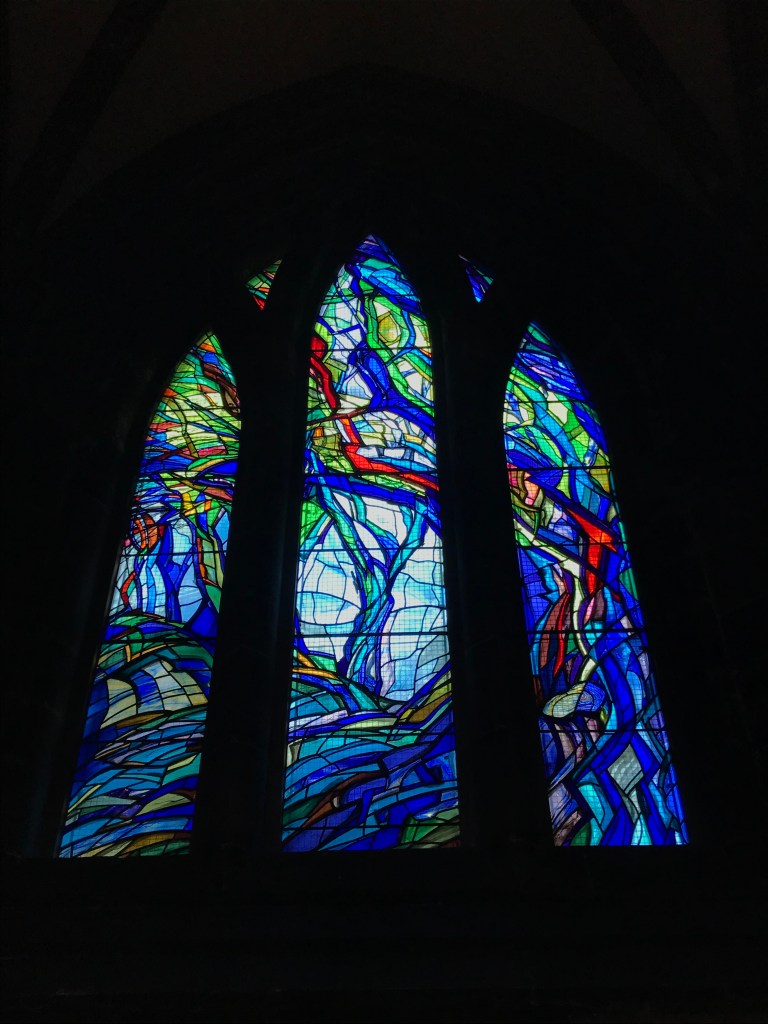
  • Glasgow Cathedral — a beautiful, old cathedral that is open to the public. I’m fascinated by stained glass windows, so I spent more time staring at this cathedral’s windows than is probably healthy.
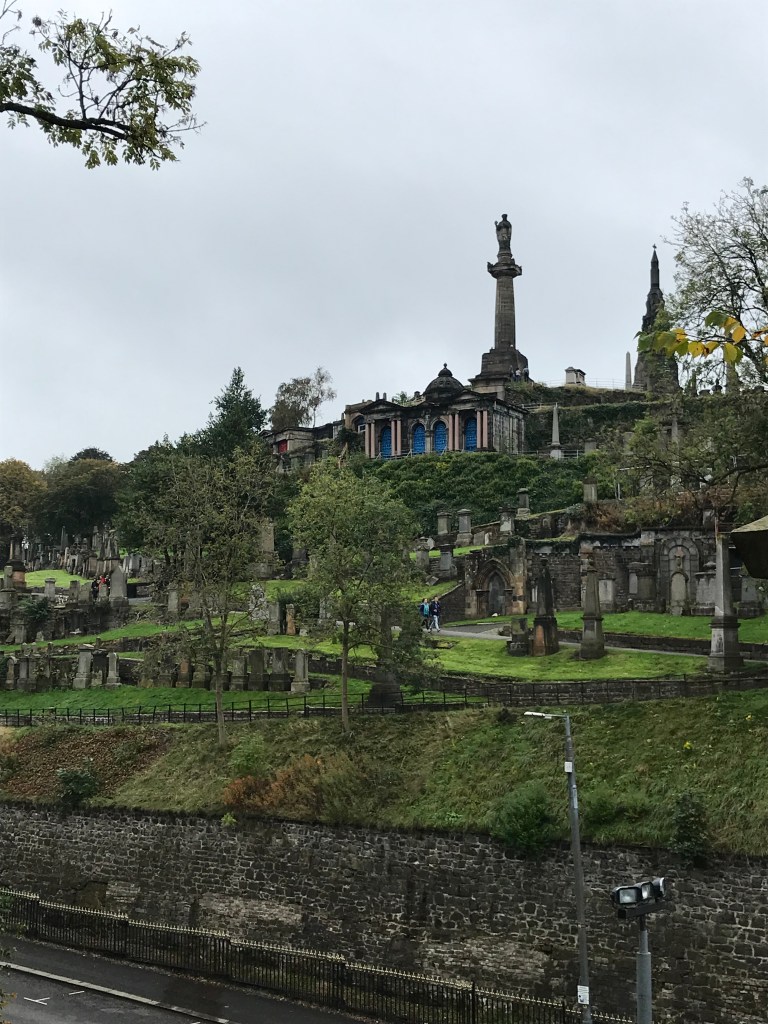
  • The Necropolis — a cemetery right next to the Glasgow Cathedral that is set up on top of a hill. It’s got some amazing views of Glasgow and of the cathedral.
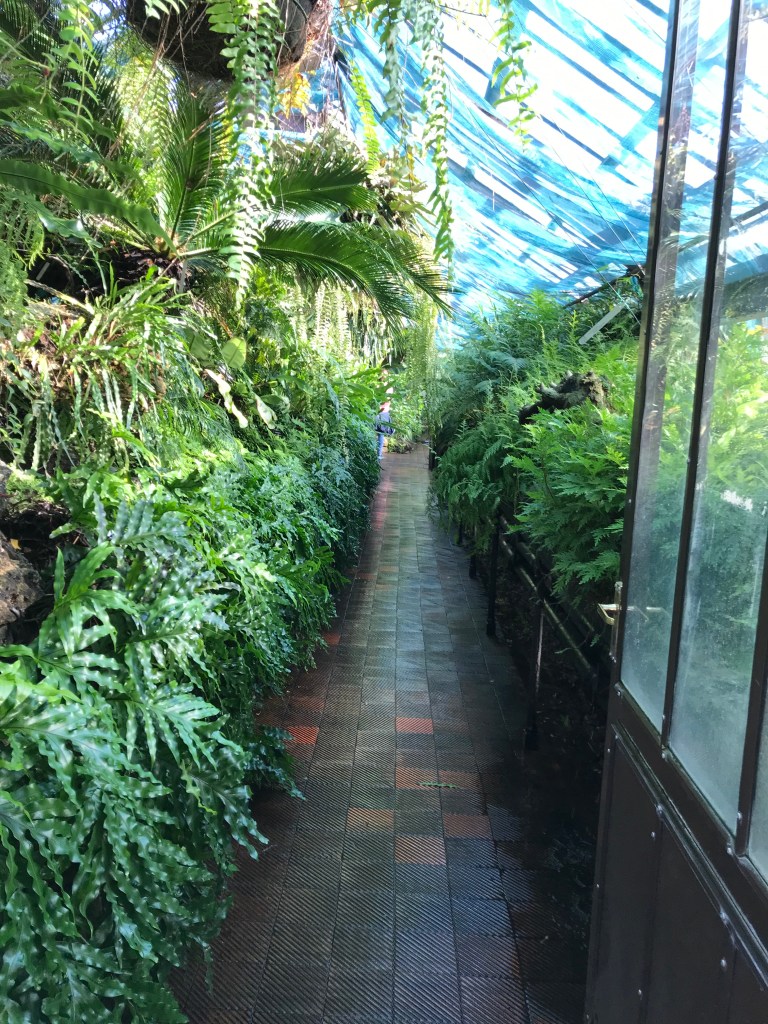
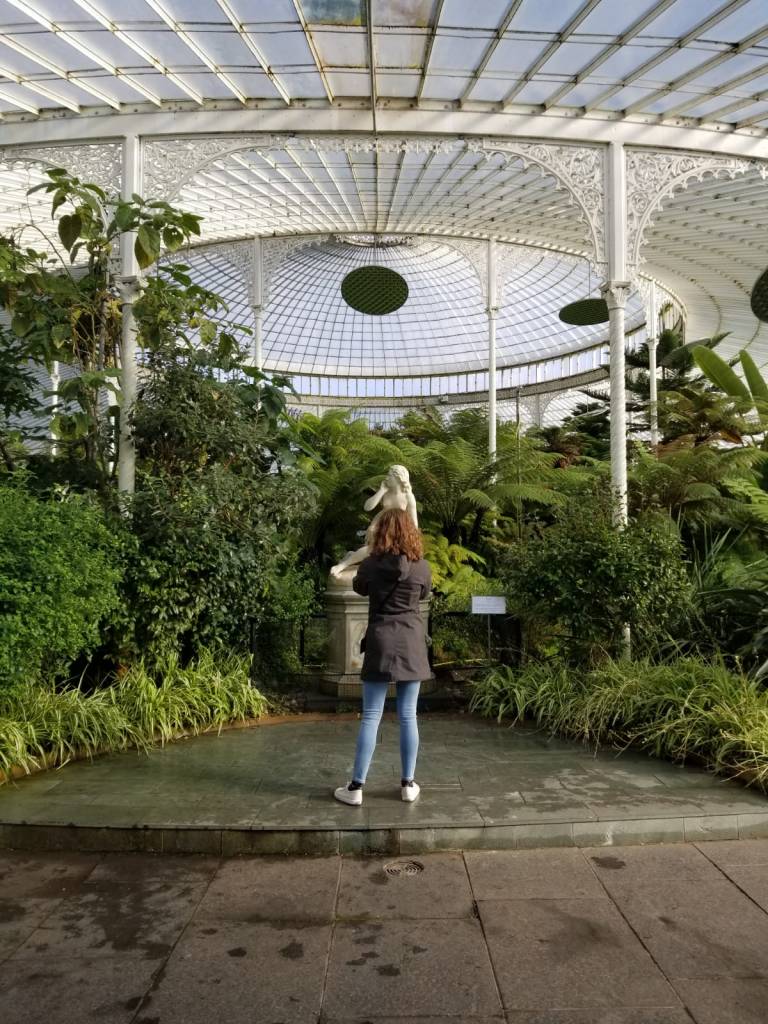
  • Glasgow Botanic Gardens — a beautiful public space that not only has lots of pathways, large trees, and benches, but also a huge greenhouse with art and tropical plants. This was definitely one of my favorite places we visited, not only for the populated environment, but also because everything was just so alive.
Kelvingrove Art Gallery and Museum
University of Glasgow from Kelvingrove Park
The greenhouse at Glasgow Botanic Gardens
Yours truly with the trees
Hands down, my favorite photo of the trip. Thanks, Mikayla, for capturing this shot!

Edinburgh

Mikayla and I took a day and travelled to Edinburgh for a day. Here are some of the things we did:

  • First of all, we took the train from Glasgow to Edinburgh (about an hour) and I just fell in love with train travel. It’s so completely different than anything we have in the United States, plus we got to see Scotland countryside — rolling green hills dotted with cows (pronounced: coo) and sheep. Simply picturesque. My face was glued to the window the entire trip even though the sun was shining directly into my eyes.
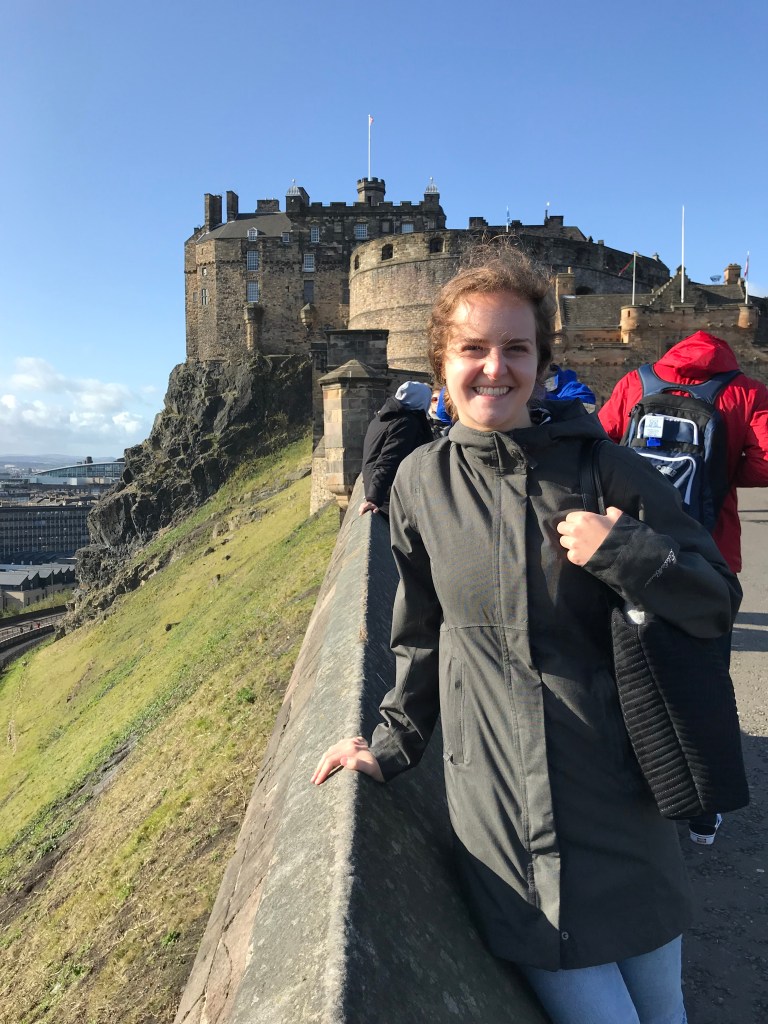
  • Once we got there, we visited the art gallery that they have there (some really cool paintings) and then saw the outside of the Edinburgh Castle.
  • We had lunch at a tiny, authentically Italian restaurant (and when I say tiny I mean that there was only four tables).
  • After lunch, we went on a free Harry Potter tour (because Edinburgh is where J.K. Rowling got inspiration for the Harry Potter books and where she wrote some of them). Somehow, we ended up running into two of the people from my program on the tour (small world!).
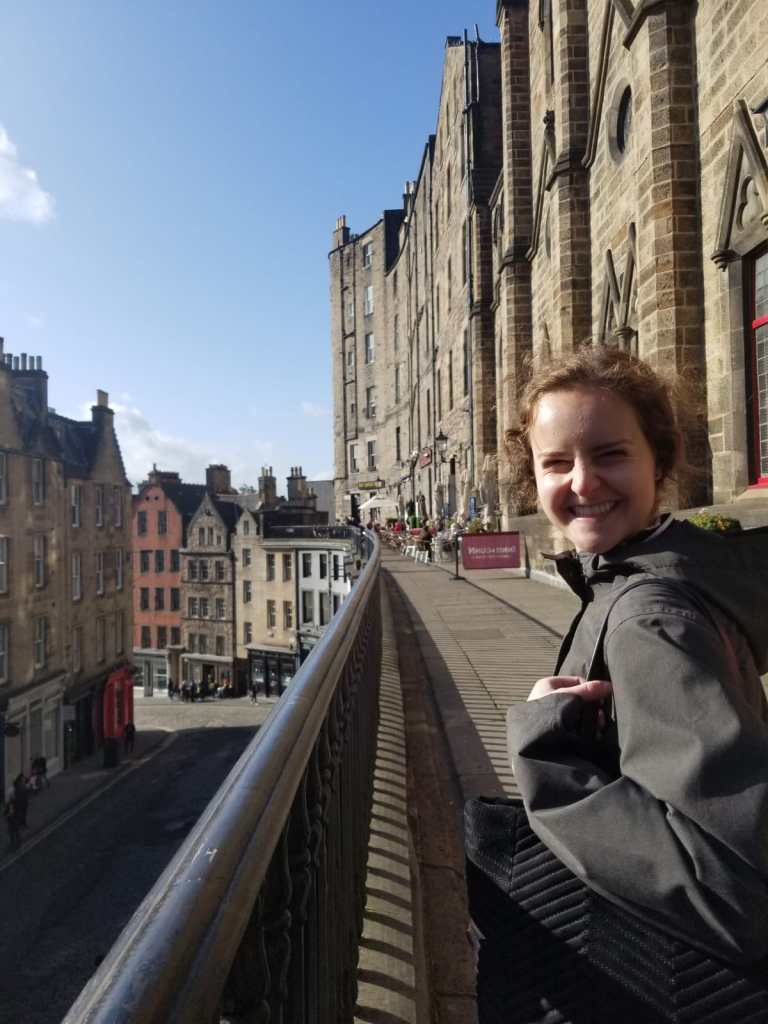
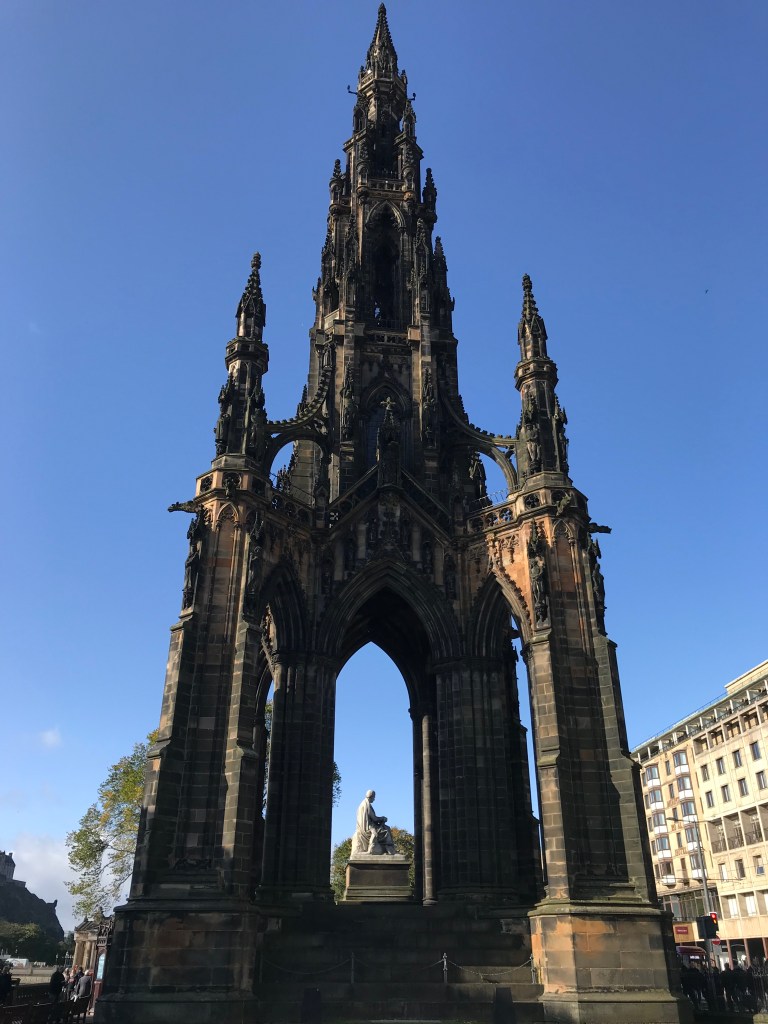
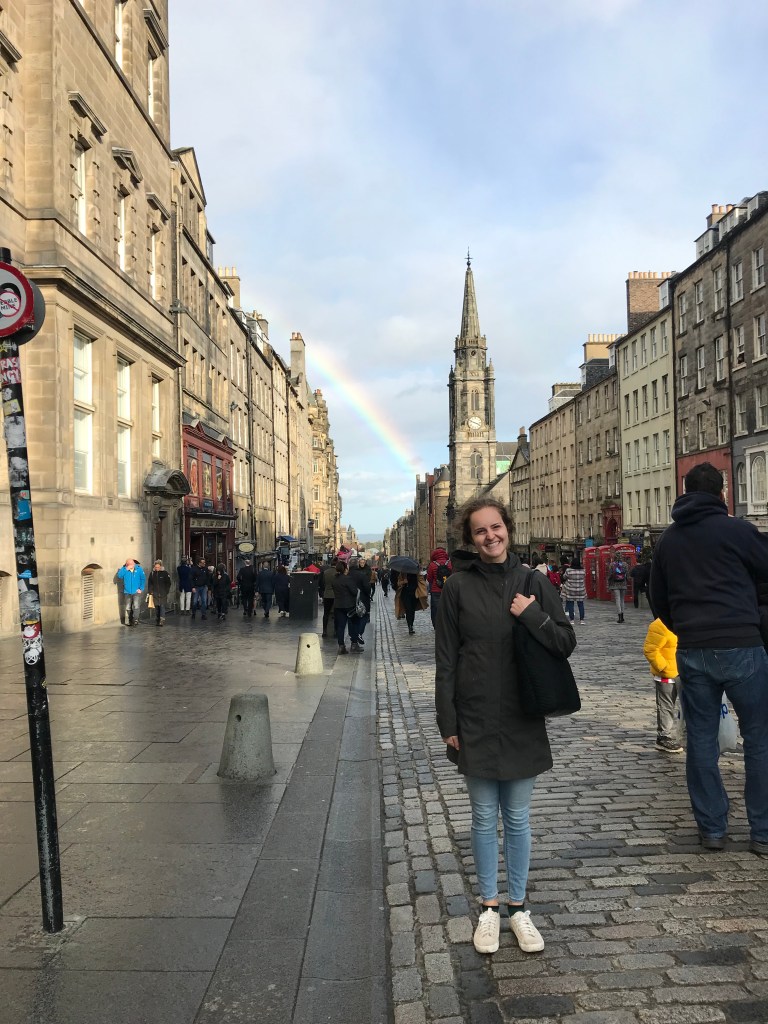
  • After the tour, we explored The Royal Mile, a street with lots of pubs, stores, and landmarks. It connects the castle with the Palace of Holyroodhouse. While doing that, we saw a rainbow (exciting) and found a park with some stunning views.

Overall, I had an amazing time and I can’t wait to go back and visit Glasgow again someday. Very thankful that I had the opportunity to go!

I’m getting back into the swing of things here now. I have four oral presentations within the next couple of weeks, so I guess that’s my biggest prayer request for now.

Next time: back in Spain, I promise! I’ve got some interesting cultural things to talk about!

¡Hasta luego!

— Grace
Featured

La Universidad de Alicante

¡Hola!

Me proving I’m alive by posting a blog

It feels like a long time since I’ve posted a blog! (So sorry, I was traveling — more on that later!)

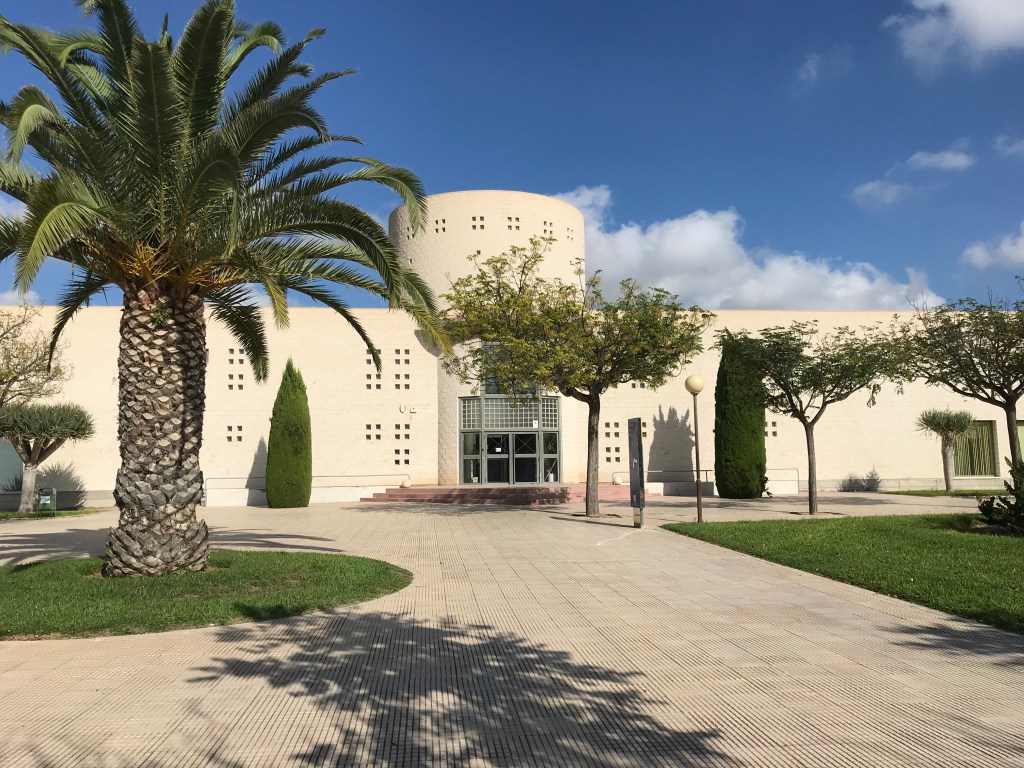
In this blog, I thought I’d share a little about the University of Alicante, as I spend a lot of time close to its campus and am technically registered as a “student” there during this semester (even though I don’t have any university classes).

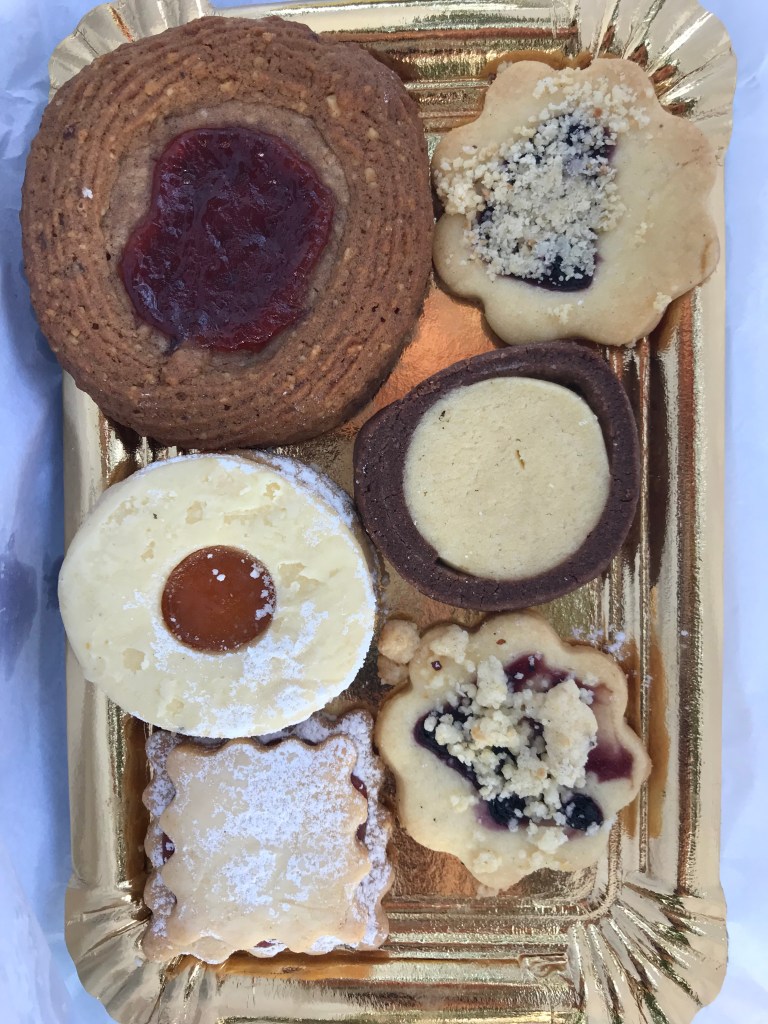
A couple of weeks ago, I bought this delicious small plate of shortbread cookies (see picture below) and walked around the campus in order to both orient myself within in (it is a much larger campus than Belmont) and to do something different outside (it was a beautiful day that I couldn’t waste).

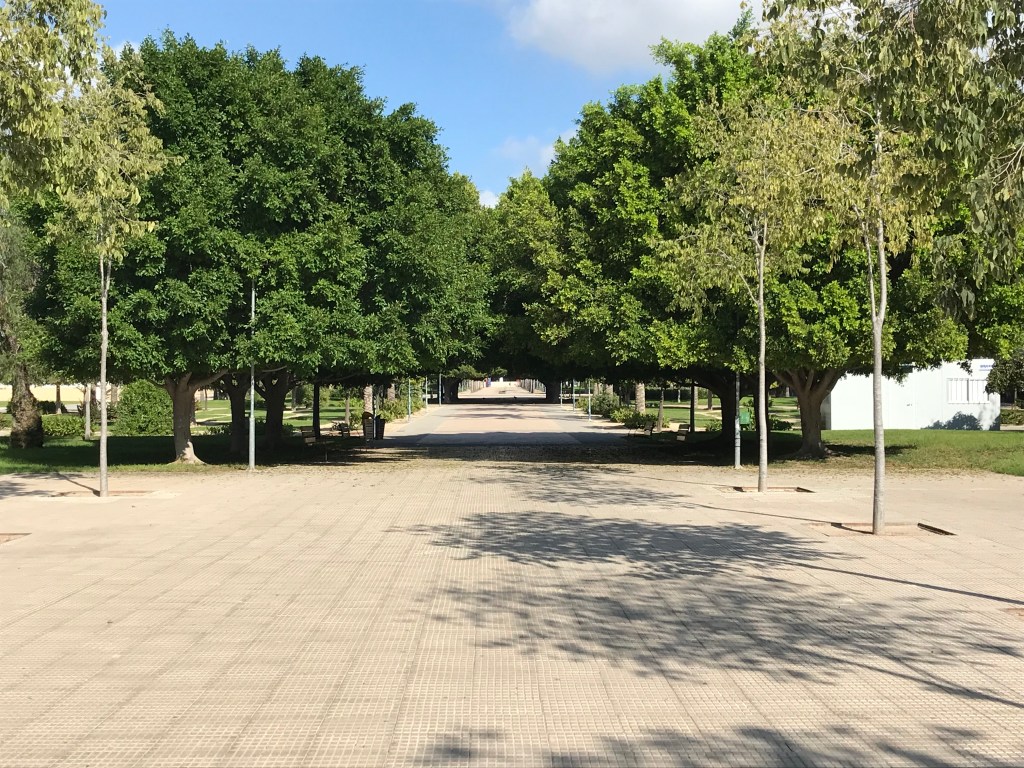
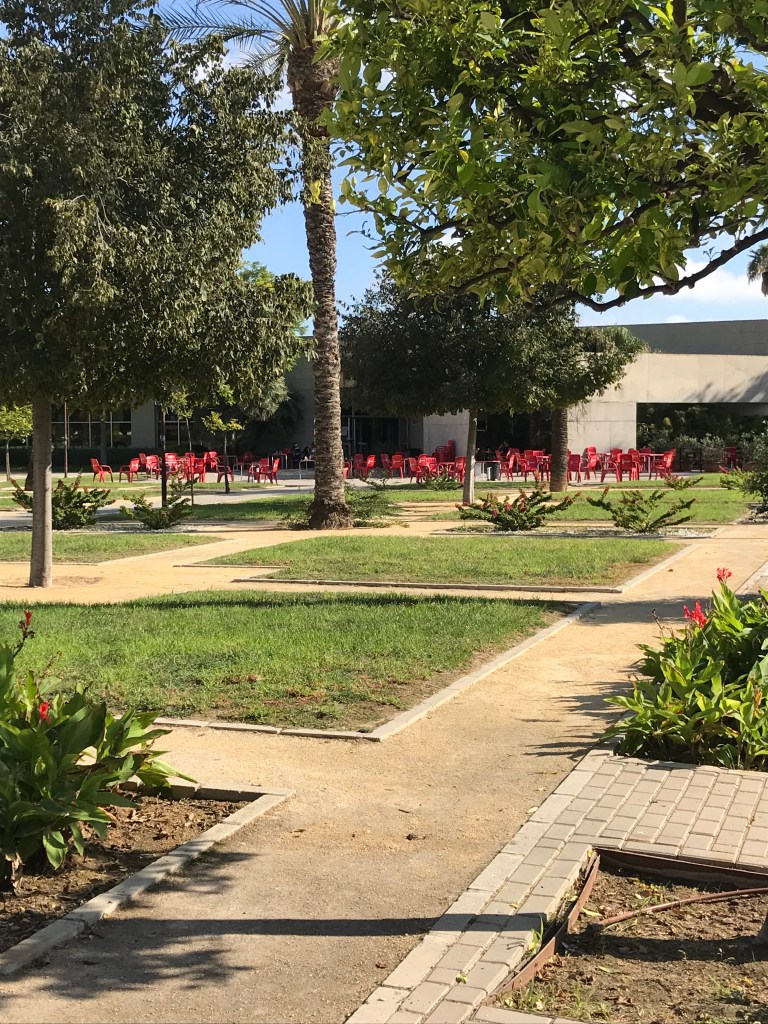
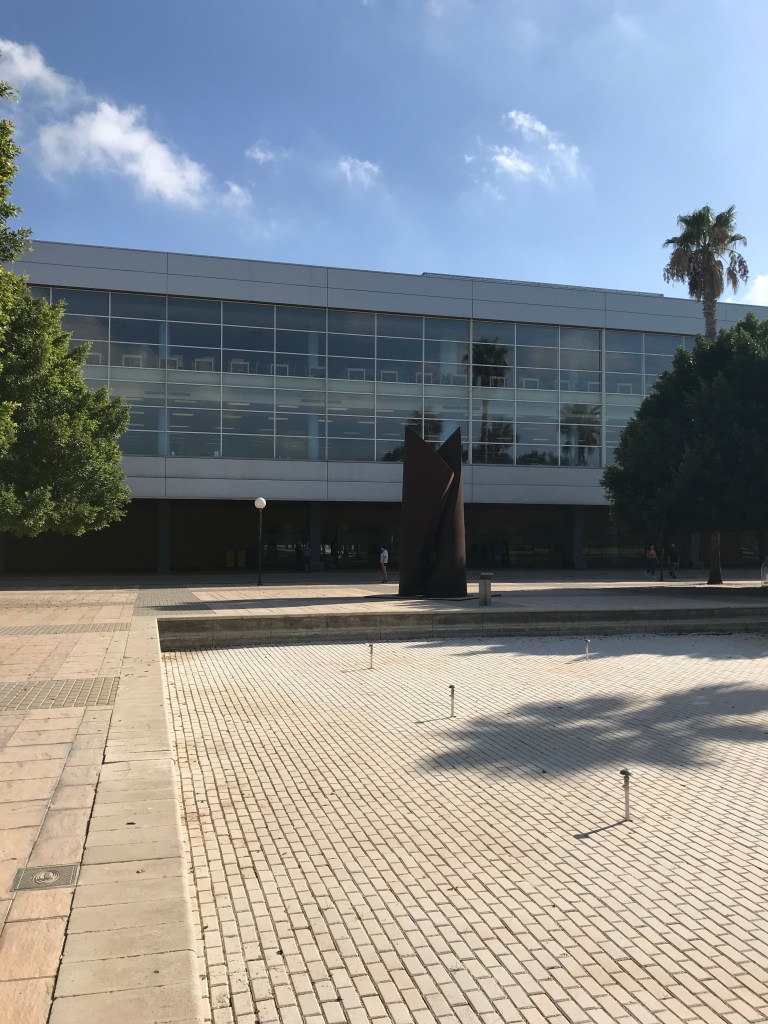
If you’re wondering why all of my pictures have no students in them, it’s because I went on a Saturday, too self-conscious to take pictures around campus with students nearby!

Yes, I ate all of these cookies. No, I do not feel any regret.

A couple of facts about the university:

  • An international university, they have more than 120 undergraduate and postgraduate degrees in many different languages
  • Total enrollment at UA is around 26,000 (it’s comparable to a state school in the US — when I told some Spanish students that my university had only 8,000 students they gasped audibly)
  • To attend university there, especially when getting your undergraduate degree, is very cheap — only about 1,000 Euros per year. As this is a trend of Spanish universities, it is interesting to note, however, that Spanish universities have some of the highest drop-out rates in the world (because there isn’t a monetary reason to stay).

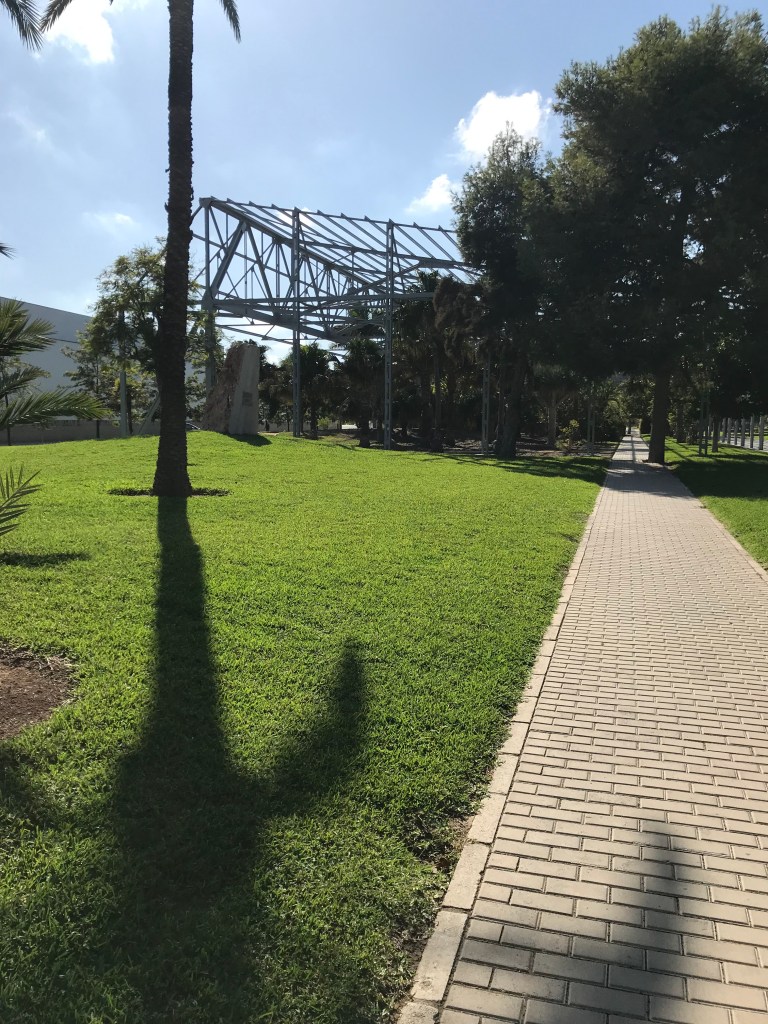
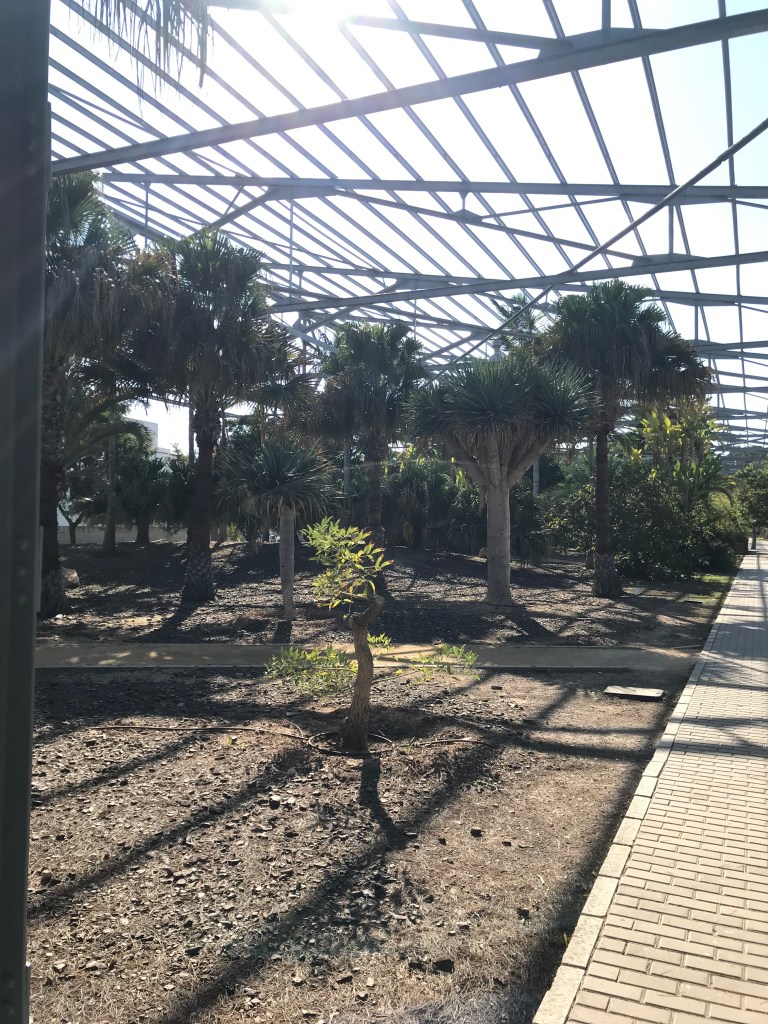
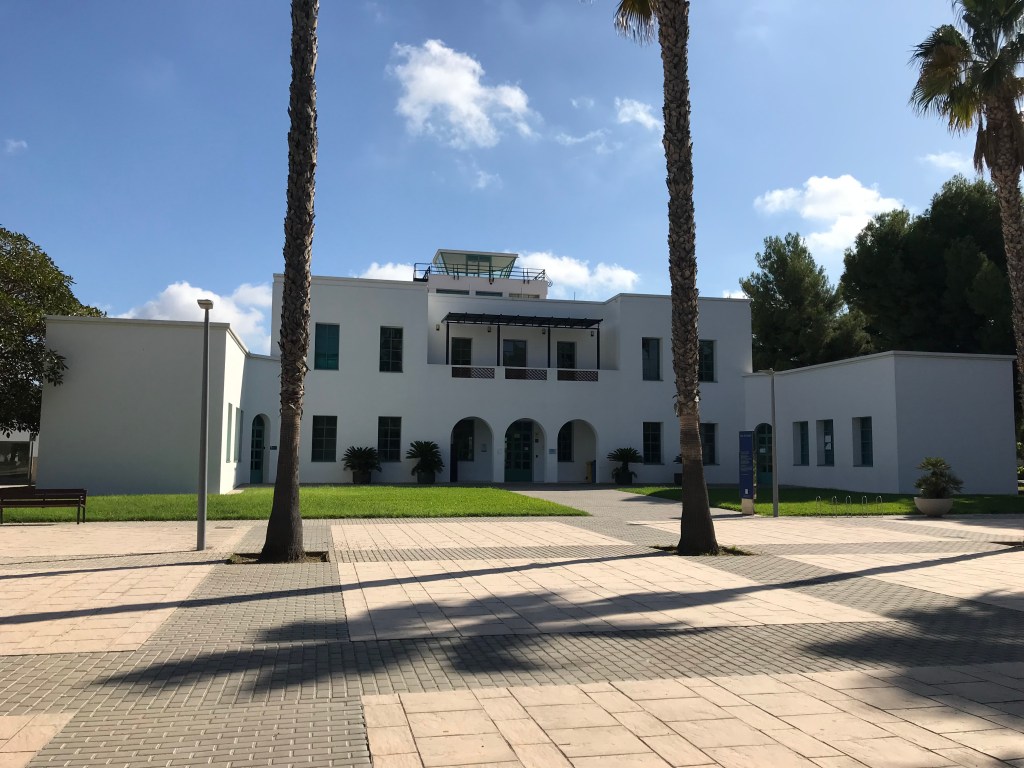
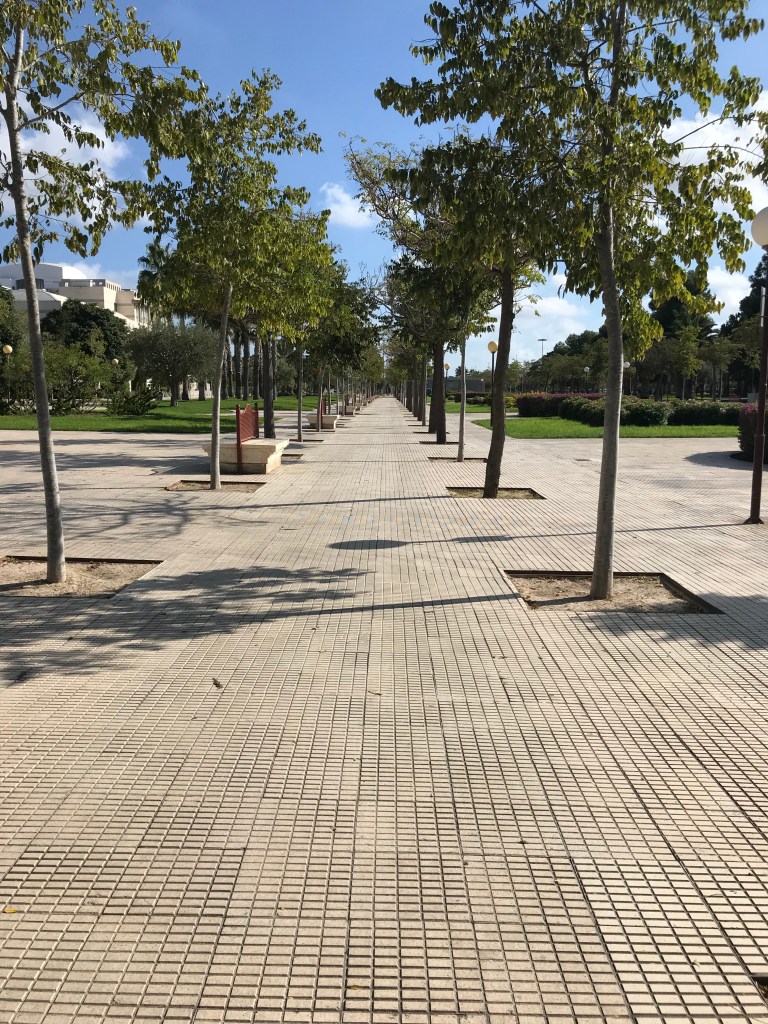
The campus itself used to be a regional airport before it was converted into a university. The campus is very much laid out like an airport, with long stretches of walkways that run in a grid system. Also, there is an old hanger that has been transformed into a garden and the building that used to house the control tower now holds offices.

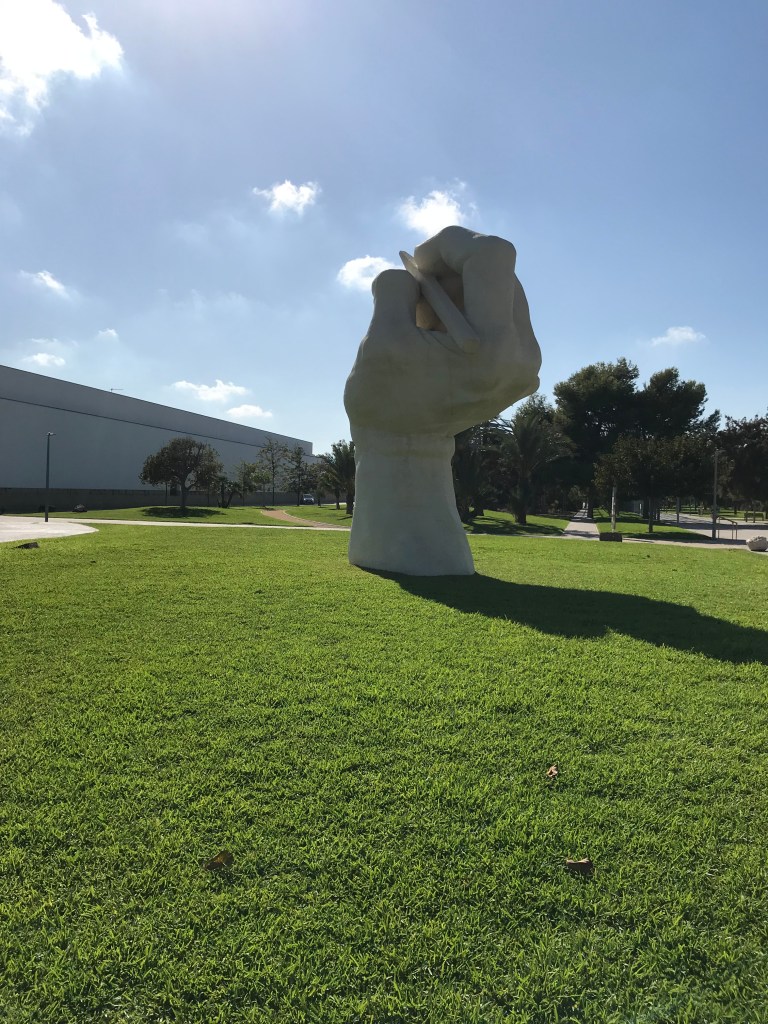
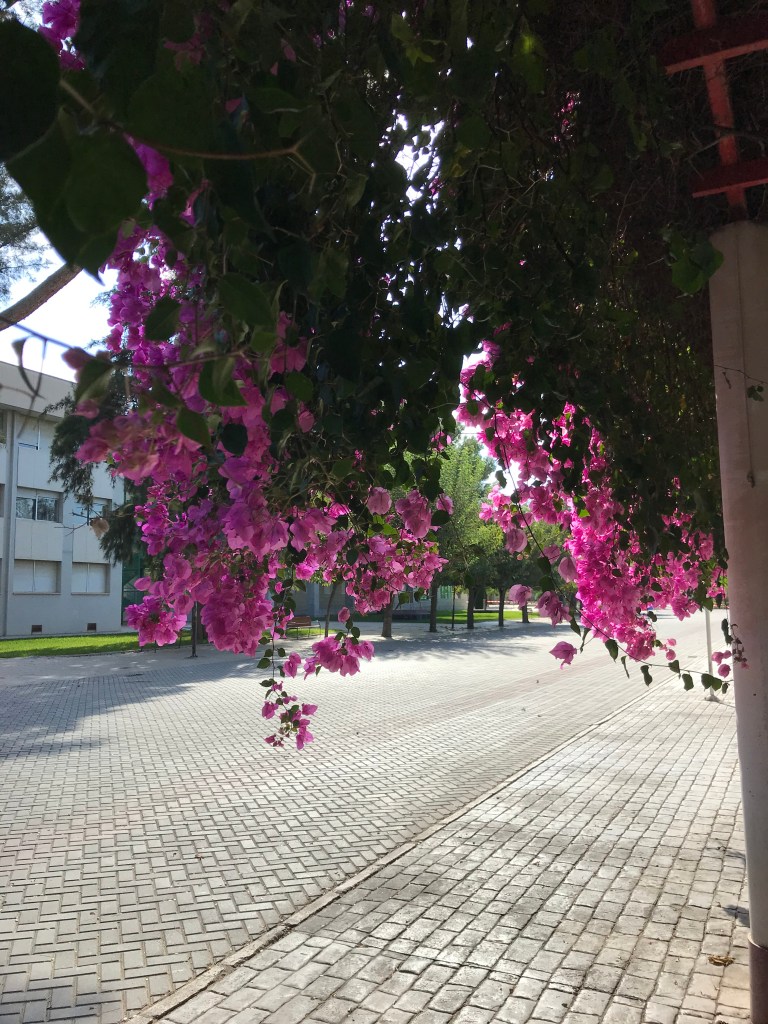
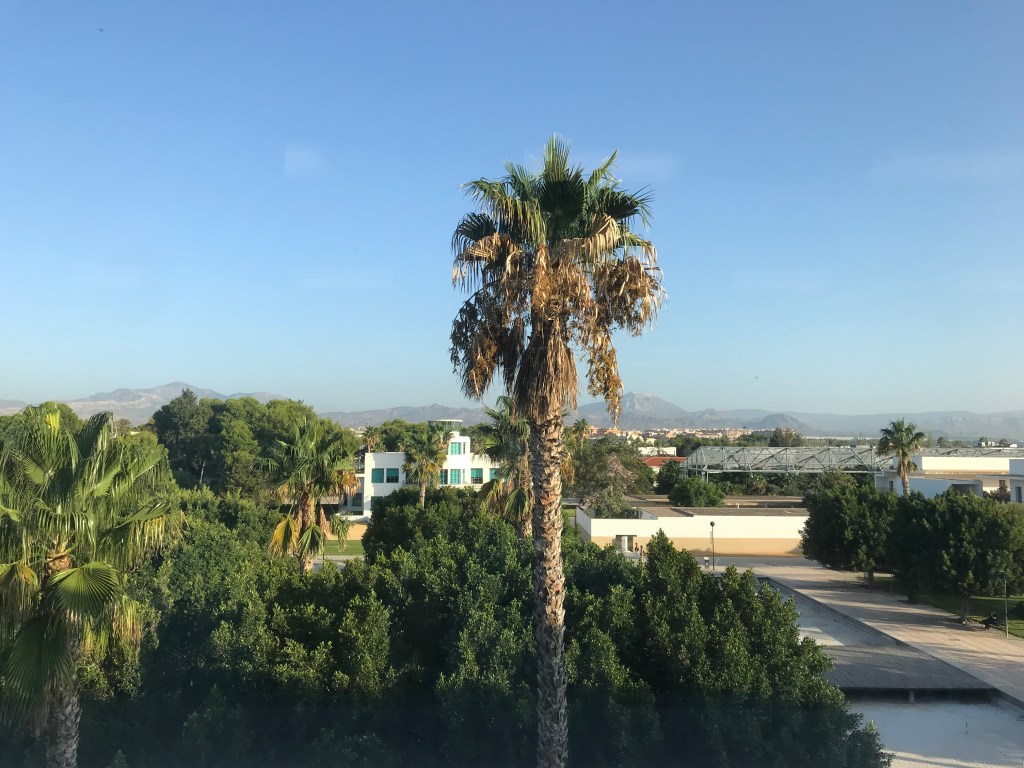
It’s also just generally very pretty. It’s one of the few places in Alicante with grass and trees, which is very exciting. Here are a few more pictures:

A statue that is kind of a symbol for the university
There are some really pretty flowers on campus
The typical style of building
A walkway that I, in particular, love
The little cafes around campus are called “social clubs” and throughout the day you can see students smoking and drinking beers between their classes. Very different from the US!

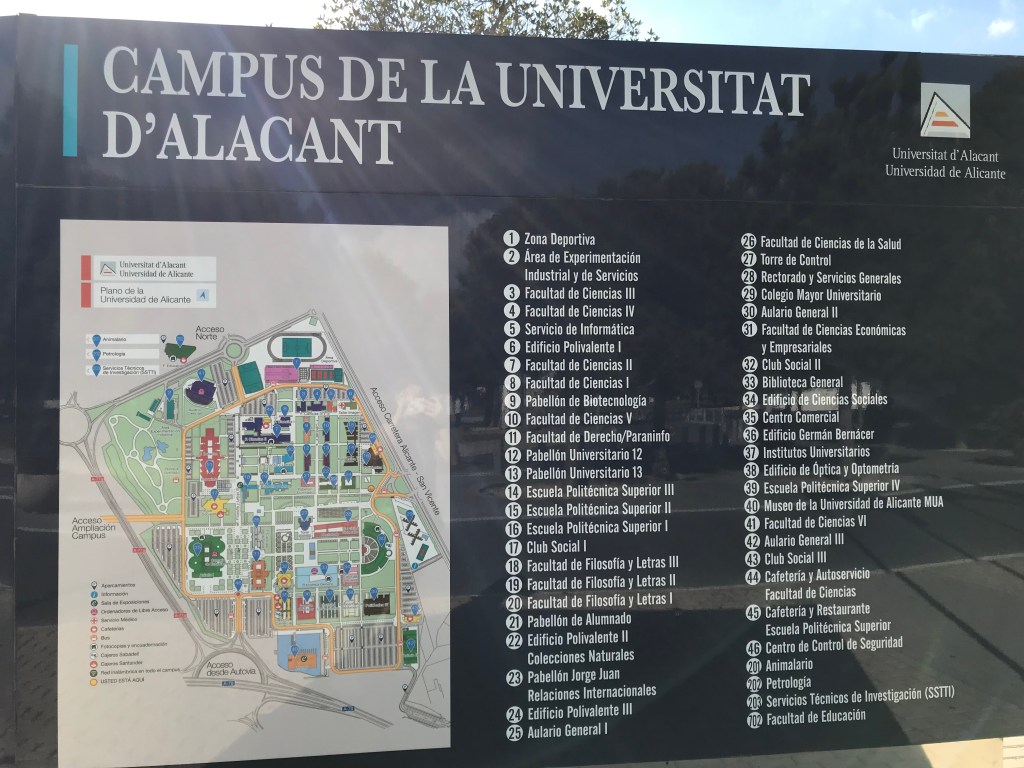
And finally, the map of campus. If you’re wondering why the university’s name is spelled differently on the plaque, that’s because it’s in Valencian, which is a dialect of Catalan (one of the four official languages of Spain). It’s heavily based in Latin, hence the use of “t”s. Valencian is everywhere in Alicante: street names, tram stops, and the information on the tram is always given three times — first in Valencian, then in Castilian Spanish (regular), and then in English (with a British accent). The reason it’s used in Alicante is because the province of Alicante is part of the autonomous community (think: state) of la Comunidad Valenciana.

Very big!

So that’s a little of the university! Lots of different things than I’m used to, but at the end of the day, it’s still filled with students with caffeine-addictions and papers due at midnight!

¡Hasta luego!

— Grace
Featured

“I like to be in America!”

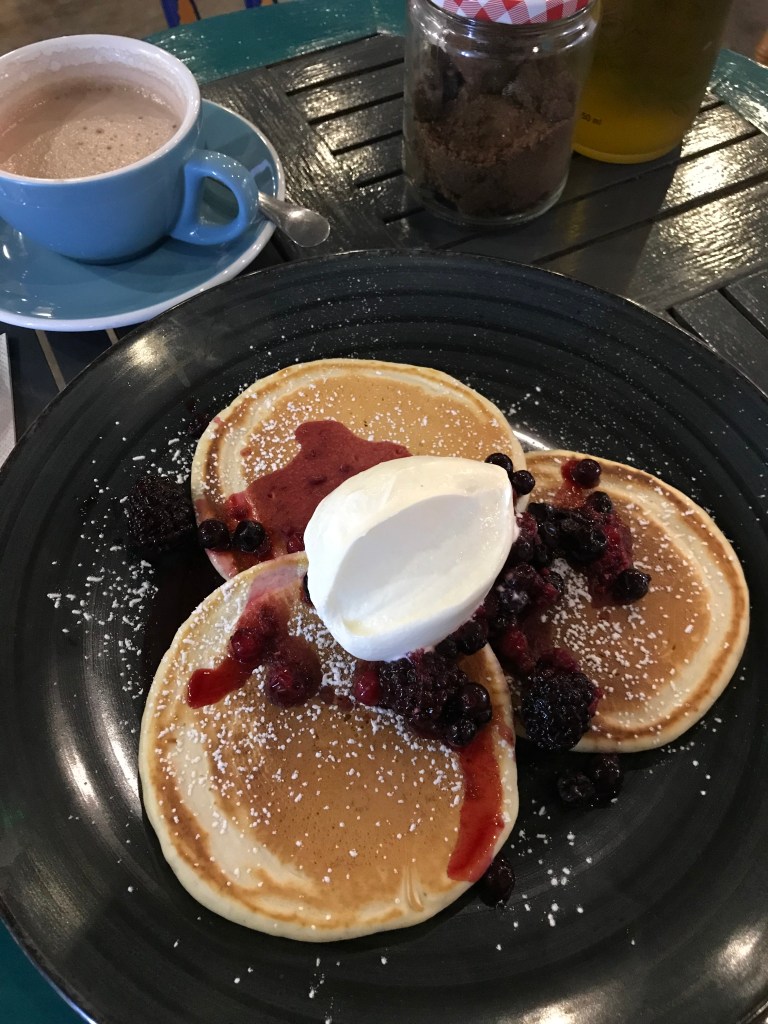
Good ole “American” pancakes. They were good, but just not the same as true American pancakes.

As you can imagine, part of the experience of being abroad is learning all about and becoming immersed in a new culture. American culture, however, is everywhere (which, is both a positive and negative aspect of American culture — a whole other conversation) and thus I’ve had some opportunities to view aspects of American culture through a Spanish lens.

As such, everything in this post has something to do with American culture but with a little Spanish flair!

American Food

In the middle of the city there’s a department store called Corte Ingles that is basically a hybrid of IKEA, Target, and Kohl’s. Plus, on the first floor of the store, there’s a grocery store (like a King Soopers / Kroger) and a gourmet foods store. The gourmet foods store is very fancy, selling everything from fancy cheese to expensive chocolate to vintage wines.

They also have international food sections, carrying fancy yet typical food items from countries like Japan, Mexico, and Britain.

They also have a section for the United States.

Before I give you the list of what foods are included, let me preface it with this: these are the foods that are thought by Spaniards to be typically American, foods that Americans consume as part of their daily diet.

Here’s the list:

  • Marshmallows
  • Oats (the kind you would use to make oatmeal cookies)
  • Candy canes
  • Jelly beans
  • Pop Tarts
  • Pancake mix
  • Crisco (yes, the shortening)
  • Chocolate chips
  • Marshmallow fluff (because one type of marshmallow isn’t enough apparently)
  • Peanut butter

It’s some list, isn’t it? It was very eye-opening me, to say the least. Very crazy to think that this is the representation of American food here!

Making chocolate chip cookies

Once my host mom found out that I like to bake, she asked if I would like to bake something, so of course I said yes!

But then there was the problem of what to make. I eventually settled on simple chocolate chip cookies — who knew simple chocolate chip cookies could cause such an interesting experience?

The first thing I quickly realized was that my American chocolate chip cookie recipe (thank you, Food Network) used American baking measurements (cups, tablespoons) while here they use grams. So, I scrounged the Internet for a conversion website and, upon finding one, had to convert all of the recipe’s measurements.

Math is not my forte. It was a struggle.

Secondly, when my host mom first had approached me with the opportunity to bake something, I had been under the impression that I would be doing the baking, and she would be watching me and helping if needed. This was not the case.

A typical Spanish mother (and grandmother), Carmen took control of the baking, while I stood on the sidelines and called out the ingredients. When it came time for the mixing, she plopped everything into her electric blender/mixer and turned it on for 30 seconds, max. A lot less time than I would have mixed the batter for, but I wasn’t about to butt in and argue with her ways in the kitchen.

A third complication arose when Carmen told me that she hadn’t been able to find chocolate chips at her local grocery store (apparently, they are only available at Corte Ingles), so instead she bought chocolate covered peanuts. Not exactly the same thing, but a call to my own grandma assured me that they wouldn’t entirely ruin the cookie.

After we put them in the oven, Carmen told me that once the timer went off, we would stick a knife in the cookies to see if they were done. Now, I am aware of the knife baking technique, but it’s not something we normally use for cookies. Once again, however, I wasn’t going to go up against Carmen and her techniques.

Because we waited until the knife came out clean, the cookies were in the oven a lot longer than I would have liked. (The bottoms ended up being burnt.)

Finally, while Carmen ran to the store to go get something, I ate two of the cookies while they were still warm, because who doesn’t love a warm cookie? Despite the burnt bottoms and the peanuts being a little roasted, the cookies were still delicious. When Carmen got back from the store, however, she asked me if I had already eaten two of the cookies. I said yes and she shook her head.

Apparently, eating warm cookies is not something Spaniards do.

Overall, the whole cookie-making experience was a whirlwind. I learned a lot about how differently baking is approached here than in the United States. A lot of it is simply just different, but I’m sticking by my own culture’s affinity for warm cookies. No matter what anyone says, warm cookies are simply the best.

West Side Story

As some of you theatre lovers might have deduced, the title of this post is from the musical West Side Story (specifically the song “America”).

I had the amazing opportunity to see West Side Story here in Alicante at the Teatro Principal. The musical, the original Broadway version, is currently on tour in Spain. They’ve completely translated the show into Spanish — both songs and dialogue — so that audiences here can enjoy it!

Apart from the show being absolutely fantastic, it was very cool to see not only the differences between American theatre and that of Spain, but also the differences within the show itself (granted, I have never seen an American professional performance of West Side Story, but I’ve seen several other professional American musicals and know the storyline of WSS well enough to be able to notice these differences).

Here are some of my thoughts/insights:

  • The theater itself was smaller (but older) than its American counterparts.
  • The programs were very different that those of the United States. There were no headshots, no advertisements, no extra readings, no act/song lists. They simply had the names of the actors, the names of the writers/producers/crew, and what events were upcoming at the theater.
  • With a show that deals with racial tensions and the contrast between Hispanics and white people, having the entire show be in Spanish (for me personally) takes some of the intensity out of the show’s central conflicts. It’s not quite as impactful to have a Jet scream, “Get out of our country,” but in Spanish.
  • The PDA in the show was definitely more than what would typically be seen in an American musical. I’m pretty sure this is a cultural addition. Spanish culture is much more touchy and uninhibited when dealing with things like sex, so when the musical was adapted for Spanish audiences, I’m sure the interactions between the characters were changed to fit this culture. (Plus, all of the actors were Spanish, so they’re bringing in their own culture into their acting as well.)
  • Finally, how the lyrics were translated from English to Spanish was fascinating. Obviously, the notes and the rhythm of the songs cannot change, so a translator must find a way to fit the new language into the preexisting song. From what I observed, this can be done in two ways. First, what the characters actually sing can be changed, so that the new words fit into the song. For example, in “America,” the varying reasons that Anita gives supporting America’s greatness in the Spanish version are different than those in the original. These lyrics have been completely changed so that the Spanish can fit the melody of the song. Second, a lyric might need to be worded a little differently in order to fit, thus changing its meaning slightly. For example, in “Tonight,” instead of singing “tonight, tonight,” the Spanish characters sang “Por fin, mi amor.” Por fin, mi amor translates to “Finally, my love.” So instead of singing about what is happening tonight, the characters sing about what is finally happening. There’s a slight change in the song’s meaning here and it’s utterly fascinating to me (a nerdy English major).

I might have gotten a little carried away with the language lesson there (sorry!), but I hope more than anything you’ll come away from this post having learned a little about how cultures can cross paths, and about how sometimes small (yet intriguing) differences can arise from these interactions.

¡Hasta luego!

— Grace
Featured

¡Eres la leche!

Literally translated, the above expression means “You are the milk!” A little strange, no? Well colloquially, the phrase means “You are the best!” In Spain, leche (milk) is often used as an euphemism or in slang phrases that make no literal sense. The more you know!

While we’re speaking about drink, we might as well discuss food too! That’s right — it’s the long-awaited post on Spanish cuisine!

I’m going to break down this post into the three different meals of the day, plus any other fun food facts that I’ve encountered in the past month!

Breakfast

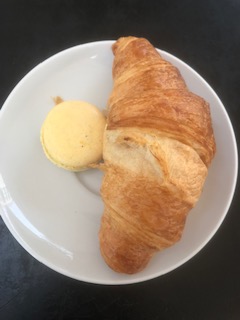
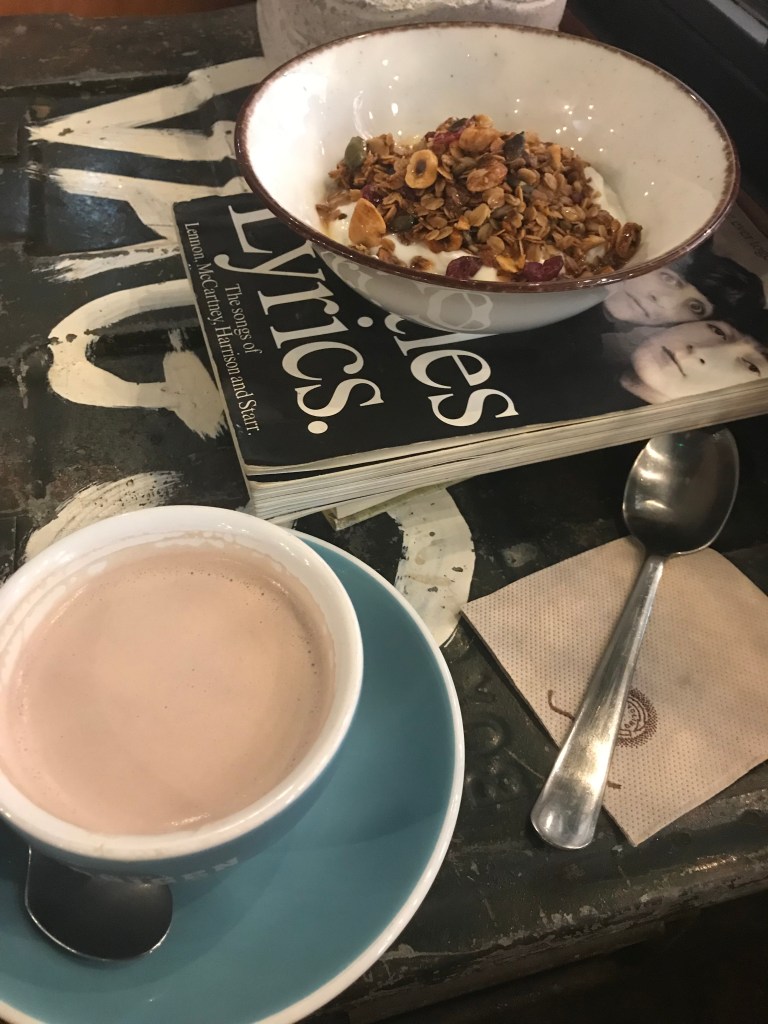
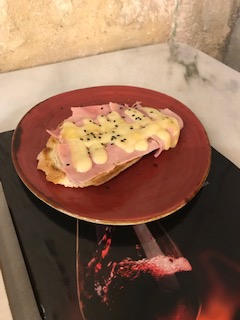
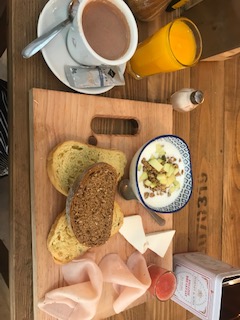
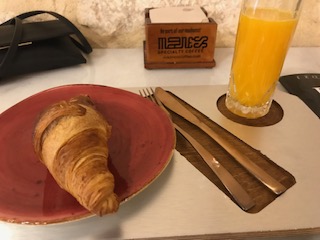
Breakfast is generally lighter here than it is in the United States. A typical Spanish breakfast can include toast with ham, cheese, and tomato paste, a croissant, or yogurt (but not the sweet stuff we have in the US).

Normally, I have cereal for breakfast, but when I go out for breakfast I go to one of the many cafes they have here. I’ve found one that has pancakes and another that has bagels (both of which I will definitely being going back to try). It will be interesting to see how different they are from what we have.

Funny story: one night for dinner, my host mom made me fried quail eggs, french fries, bacon, and a fried pepper. When I told her that the meal resembled a typical American breakfast, she was very surprised. She couldn’t imagine eating something like that for breakfast!

Here are some of my breakfasts out:

Lunch

Typically the heaviest meal of the day, lunch is normally served around 2:30-4 pm. Since for me lunch is right after classes and right before siesta (read: homework) time, I normally eat lunch at my homestay. As such, my lunch experiences have normally been whatever my host mom has served me (and thus I don’t have pictures).

Soups (with any combination of meat, lentils, peas, potatoes) are a very common meal, as well as pasta. Meatballs are also very popular, served with rice. When I have classes later in the day, I take a sack lunch with fruit and a bocadillo (which I’ve discussed in a previous post).

Very delicious, but very heavy foods. After lunch, I’m definitely ready to slip into a food coma/siesta!

Dinner / Tapas

Dinner is normally eaten between 8:30 to 11 pm. It’s very late! Dinner is typically less filling than lunch, but still a significant meal.

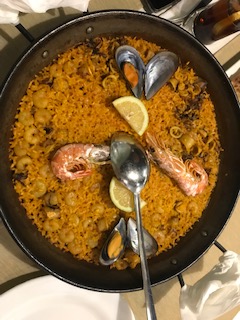
We’ll start with perhaps the most well known Spanish dish: paella.

Paella is a yellow rice dish that is loaded with anything from red peppers to shrimp to lobster to chorizo (the closeness to the sea is what makes it primarily a seafood dish). It’s prepared in a giant pan, so it’s usually a dish you want to share with friends.

Although paella is a highly recognizable Spanish dish, however, it’s not commonly found in all parts of Spain (just like grits aren’t commonly found all over the United States). The interior of the country, where there isn’t close access to water, doesn’t have paella as a main dish.

Regardless of its availability throughout the country, it is very delicious and very colorful!

A paella dish I shared the other night

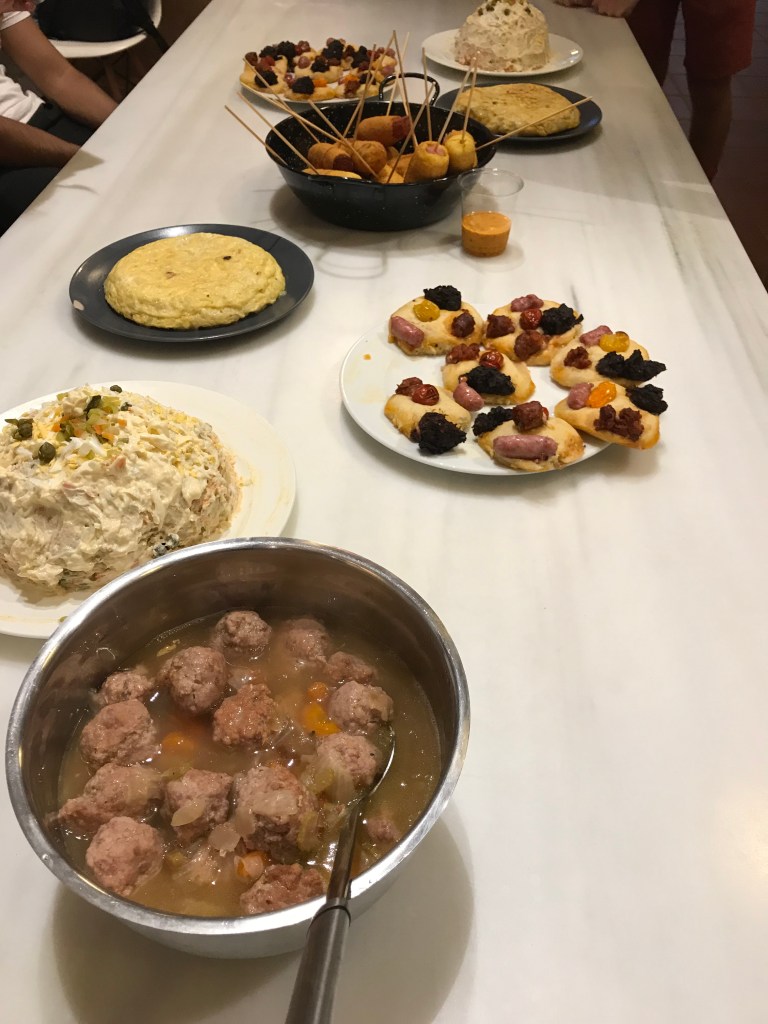
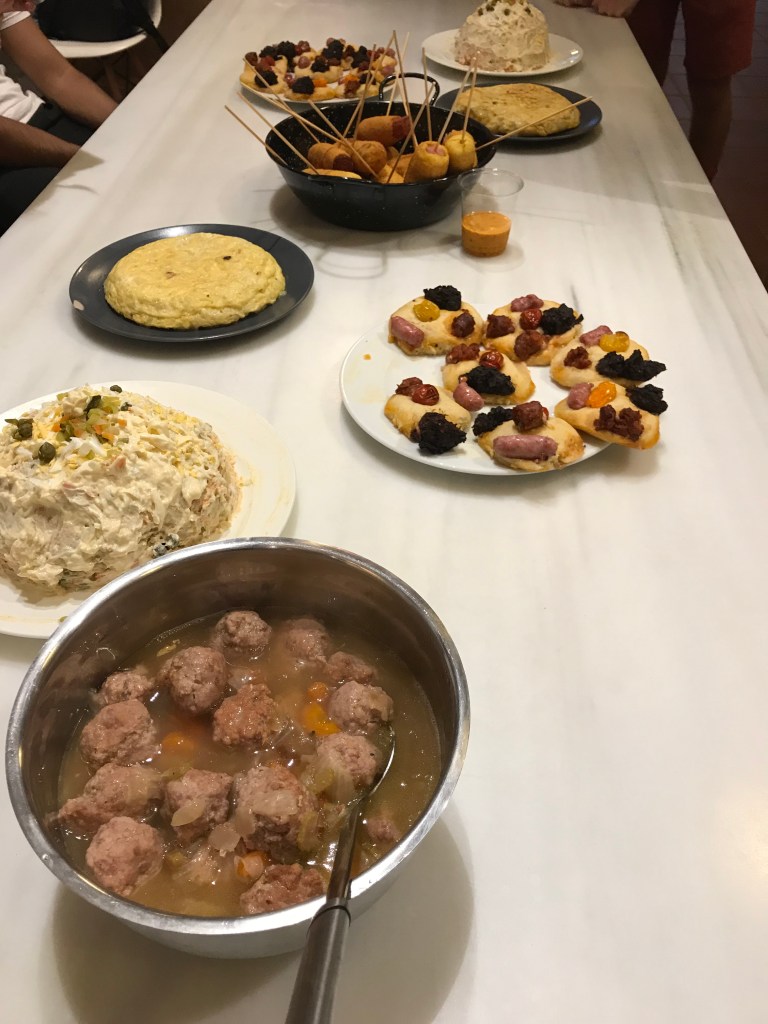
Next, it’s very common to simply go out for tapas for dinner. Remember the cooking class that I took? Well, I’m finally going to explain what the rest of those tapas were, which are some of the most famous types of tapas in Spain.

Here’s the photo for a refresher:

Starting from the bottom of the picture up:

  • Meatballs (I believe I’ve already discussed these a little)
  • Ensalada rusa (a cold salad that has tuna, mayo, potatoes, and cabbage)
  • Bread with blood sausage and dried tomatoes
  • Tortilla (eggs, onion, and potatoes — not a Mexican tortilla)
  • Croquetas (like a corndog, can also be filled with cod and garlic)
  • MISSING: Empañadas (pastry stuffed with warm tuna, egg, and onion)

Some other tapas include: fried anchovies, slices of ham, and patatas fritas (french fries).

A note: beware! Spaniards love their salt. Most everything here is very, very salty, which just takes some getting used to.

And here are some of the meals that I’ve had at my homestay, which are also classic Spanish meals:

  • Open and cooked eggplant with ground meat and sandwich cheese on top
  • Arroz a la cubana (rice with a fried egg in the center and tomato paste sauce surrounding it)
  • Rice with tomato sauce, calamari, and tiny shrimps

Other Food Tidbits

Spain is known for their citrus, so I’m lucky enough to be able to have fresh squeezed orange juice both at my homestay and at all the restaurants that I visit.

Being relatively close to both France and Italy, there is a lot of bakeries and Italian restaurants here! I might do another blog on those foreign cuisine influences!

Super long post, but hopefully you enjoyed it and got a little taste of what the food is like here in Spain!

Remember, ¡eres la leche!

¡Hasta luego!

— Grace
Featured

Cuisine & Catching Waves

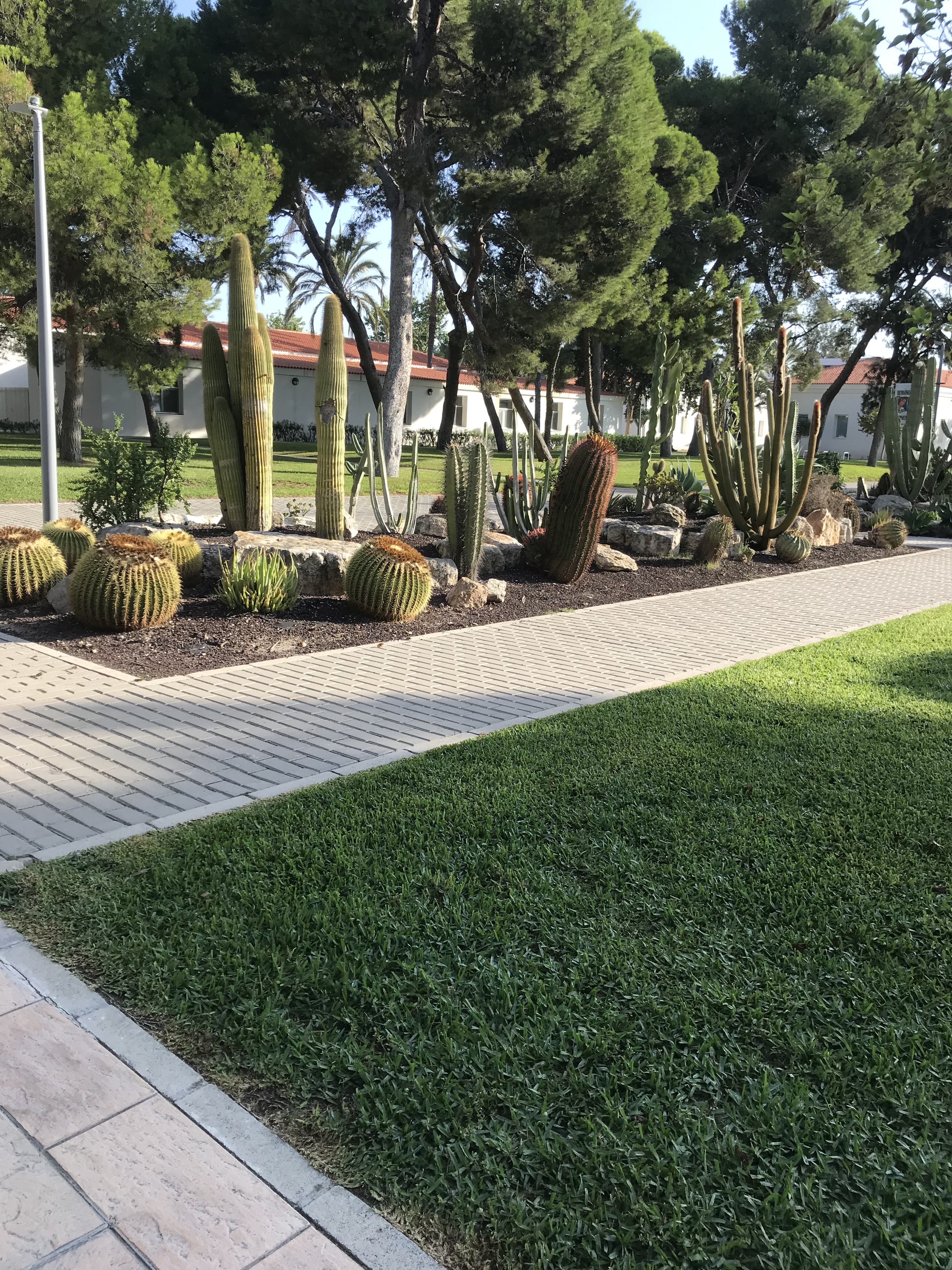
Some cacti decorating the University of Alicante’s campus. (Made me feel like I was at a different U of A!)

As a way to familiarize their students with Spanish culture and activities, CIEE (my program provider) organizes fun outings for us to do. Here are the two that I’ve participated in so far:

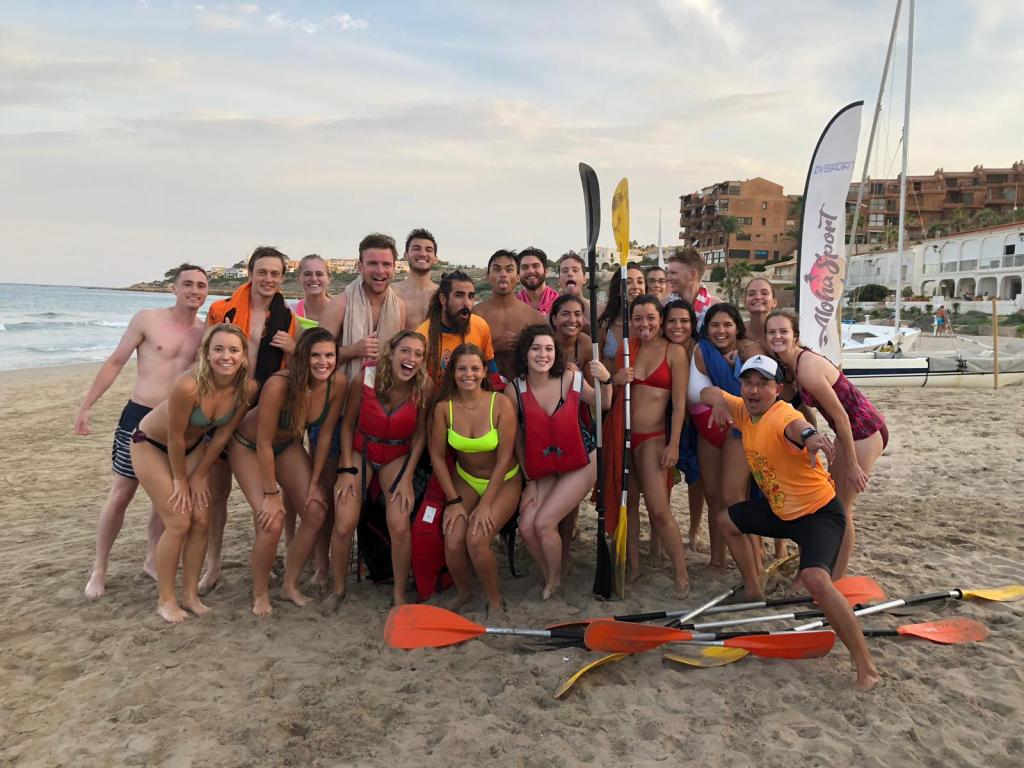
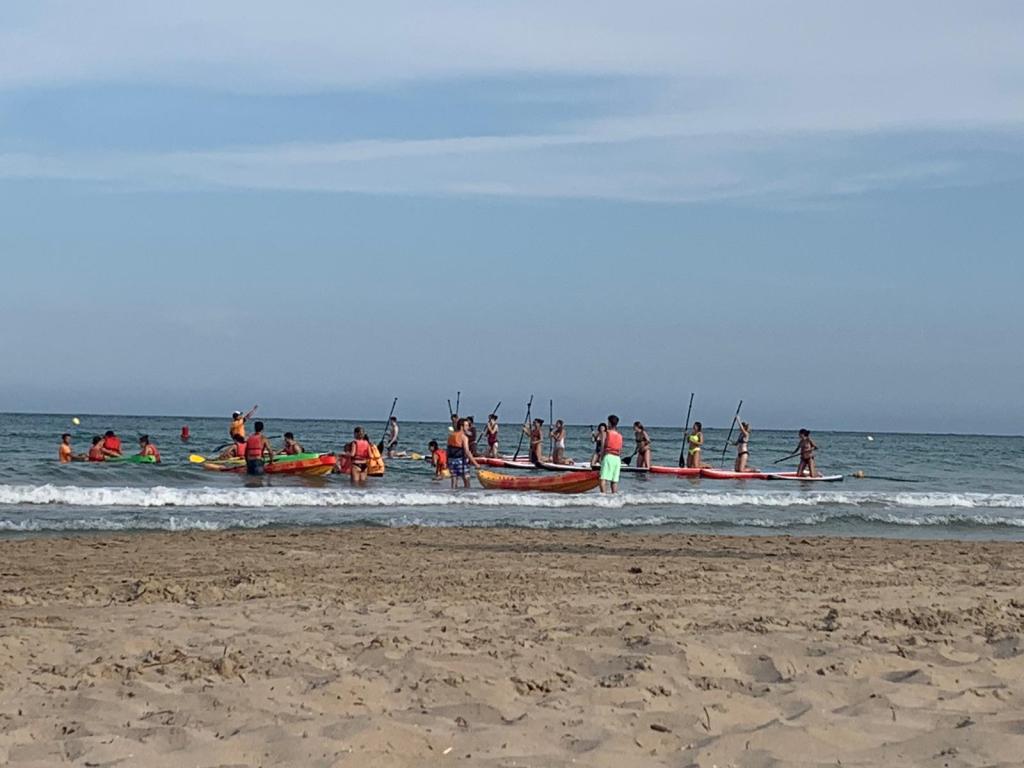
Kayaking / Paddleboarding

I’ll be honest, I had thought my kayaking and paddleboarding experiences in the United States would have lent me sufficient skills for this to be a relaxing activity. However, kayaking and paddleboarding in a calm Colorado lake is very different from doing so in a choppy Mediterranean Sea.

Our group was divided into two halves and each half tried both activities for an hour each. Unfortunately, it was a pretty windy evening, and so even the smallest of actions was made almost impossible by the wind. On the paddleboard, I didn’t really attempt to stand up (trying to coax the paddleboard in the right direction on my knees was hard enough) and in the kayak (we were in kayaks for three people), our group could never seem to go anywhere quickly.

Regardless of their difficulties, both of these activities were a blast and I enjoyed getting out and taking advantage of the water.

Tapas Making Class

Tapas are basically small plates of food that you eat when you go out with friends at night or go to snack and drink before dinner. Spain has a very extroverted culture, so going out for tapas is one of the most popular things to do here. CIEE organized a class for us to learn how to make some of the most popular dishes (there are hundreds of different types of tapas).

We were broken down into six different groups and each group had a different tapas to make. There was a chef and his assistant to help us along, but for the most part we were on our own!

My group was in charge of making the meatballs, a really popular tapas item and a meal that my host mom has made for me a couple of times! I specifically helped mix everything into the meat and shape the meat into balls (yes, I did this all with just my hands). I’m not a huge meatball fan, but they tasted pretty good in the end!

(I’ll go into more detail about the other tapas in my upcoming blog about Alicante cuisine!)

Our meatballs are right in front!

Two more things before I sign off:

  1. Yes, I am here to study (although it might not seem like it with all these fun activities!), so in case you were wondering, here are my classes that I’m taking this semester:
  • Feminist Literature (specifically focusing on Spanish female writers and what feminist literature looks like in Spain–spoilers: it’s very different than that of the US)
  • Colloquialisms in Spanish (basically, learning how to speak like a native)
  • Popular Culture (the different parts and pieces that make up Spanish culture today)
  • Spanish and Latin American Literature (specifically looking at the nineteenth and twentieth centuries–this is the class I’m enjoying the most so far!)

2. I just have to brag on my God a little bit, because He takes such good care of me. I had been very nervous to go to my first official CrossFit class (so nervous that I accidentally left 40 MINUTES EARLY) because it’s always nerve-wracking to go somewhere where you don’t know anyone and only kind of speak the language. Once I got to the class, however, there was another American student there who is doing the exact thing I am–studying at the University to learn Spanish–and who was just as out of depths as I was! I think God knew I just needed something familiar, because I relaxed after I realized I wasn’t all alone. How great is our God? He’s definitely got me in the palm of His hand!
More posts to come!

¡Hasta luego!

— Grace

Featured

McDonalds, La Playa, y Shakira

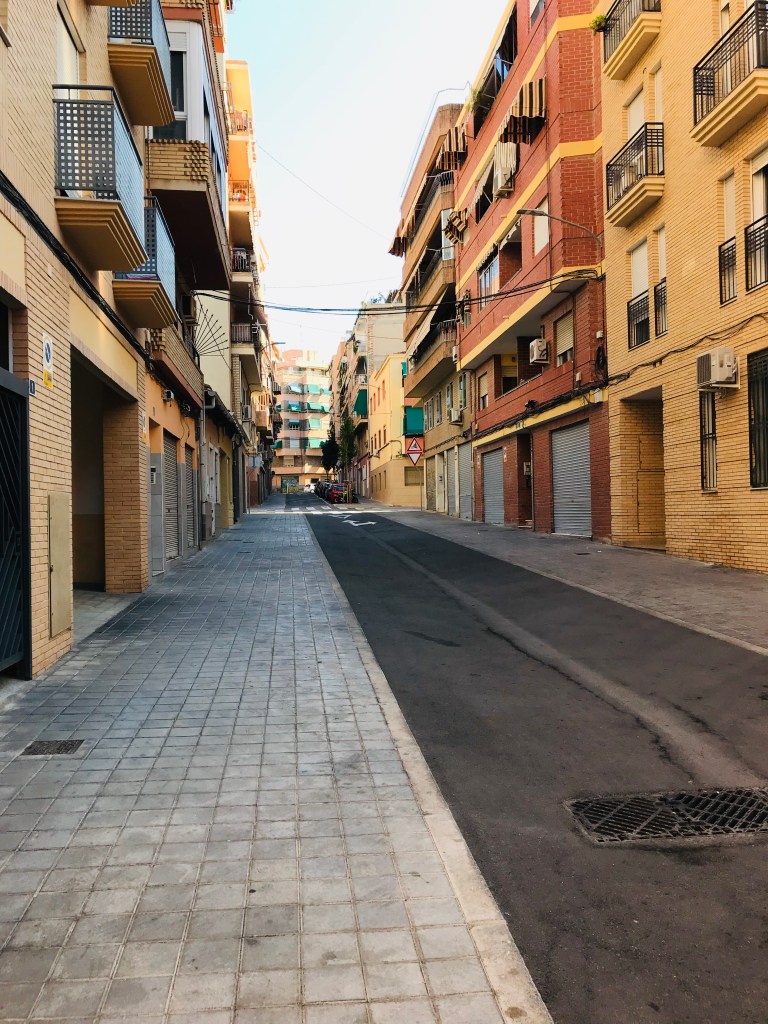
A street near where I live

It’s been a whirlwind couple of days (so this is going to be a whirlwind of a post) but I thought it was time for an update so here we go!

The first thing I absolutely must share with you all is that I have found the most posh, breathtaking McDonalds that I’ve ever encountered. Yes, you read that right. In addition to the pronunciation here being “MacDonalds,” I’ve been informed that the flavor is different and that students actually like the food there (they have fancy cake). My host mom took Matthew (the student who lives near me) and I to McDonalds because her daughter, Arantxa (pronounced Aran-cha), works there. I accidentally ordered a McFlurry with both M&Ms and strawberry syrup (but it’s okay because it was surprisingly delicious — chocolate and strawberries, no?) and then we were treated to the following view.

Having shared that exciting news, I also went to the beach (which was amazing). I brought East of Eden with me and alternated between reading on the beach and floating in the Mediterranean. The beach we went to is la Playa de San Juan, but we got off the TRAM at a stop called Costa Blanca (White Coast).

Those are mountains in the background. Very pretty!
Yours truly

Now I have just a bunch of random thoughts / fun pieces of information:

  • The elevator that is inside my apartment complex has an extra door that you need to open once the sliding door opens. It surprises me every time.
  • I now have a Spanish phone number (thanks, SIM card) so if you just regularly text or call me I won’t get it. Email and WhatsApp (I have my normal number on that) are the best ways to reach me,
  • The slogan for Cabify (Alicante’s version of Uber) is “Own the City,” which I just really enjoy.
  • When I don’t eat lunch at home (normally around 2pm), my host mom prepares me a bocadillo, which is basically just a sack lunch. I’ve eaten a lot of them in recent days.
  • The longhorns hand gesture basically symbolizes an unfaithful partner here in Alicante (it’s more explicit than that, but that’s the gist).
  • Similarly, the peace sign symbolizes devil’s horns.
  • It’s fun to say “vamos a la playa” and really mean it.
  • The University here is very cheap to attend. For undergrad, it is 1,000 Euros per year, and for masters and doctorate it is 2.5-3,000 Euros per year. Apparently, a lot of US students come to the University to complete their masters and doctorate degrees because it is so cheap and an international university.
  • When it rains here (because it does not rain very often), it rains hard. My professor told us a story the other day in which it rained so hard people actually got sucked down the street drains. Yikes.
  • I’ve started my two-week intensive Spanish course and it’s going well so far. My teacher is amazing and super nice. Plus, on the second day of class, we got to listen to a Shakira song (Me Enamoré) so I’m set.

Whew. That was a lot of information — but there’s still more to come! Stay tuned for my first experience with tapas and my hike to the top of Alicante’s castle.

In the meantime, continued prayers for new friends would be appreciated, as well as prayers for bravery!

¡Hasta luego!

— Grace

Featured

Welcome to the Blog!

Alicante, Spain

¡Hola! Welcome to my blog!

Am I a criminal mastermind and international thief who wears a stylish red fedora and trench coat? No. Do I wish I had her style and poise? Maybe.

Regardless of my similarities to Le Femme Rouge, I am about to travel the world! This blog is where I’ll keep everyone up to date on my travels, adventures, and happenings while studying abroad in Alicante, Spain.

Most of my posts will be short and sweet, just little updates to let you know how I am, what I’m doing, and how you can pray for me. I’ll do my best to include some pictures and fun facts as well!

Right now, I’m just packing and preparing for the long day of flights ahead! Prayers for safe and straightforward travels would be appreciated!

¡Hasta luego!

–Grace

Something Old, New, Borrowed, & Blue

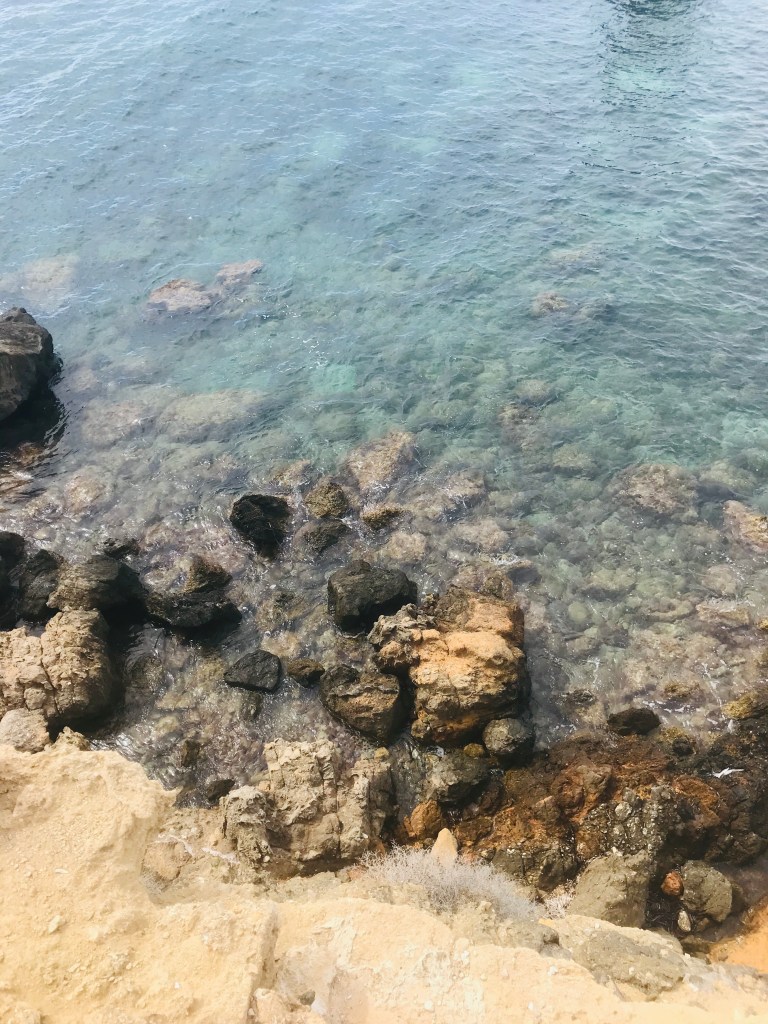
The water off of Tabarca Island

Something Old

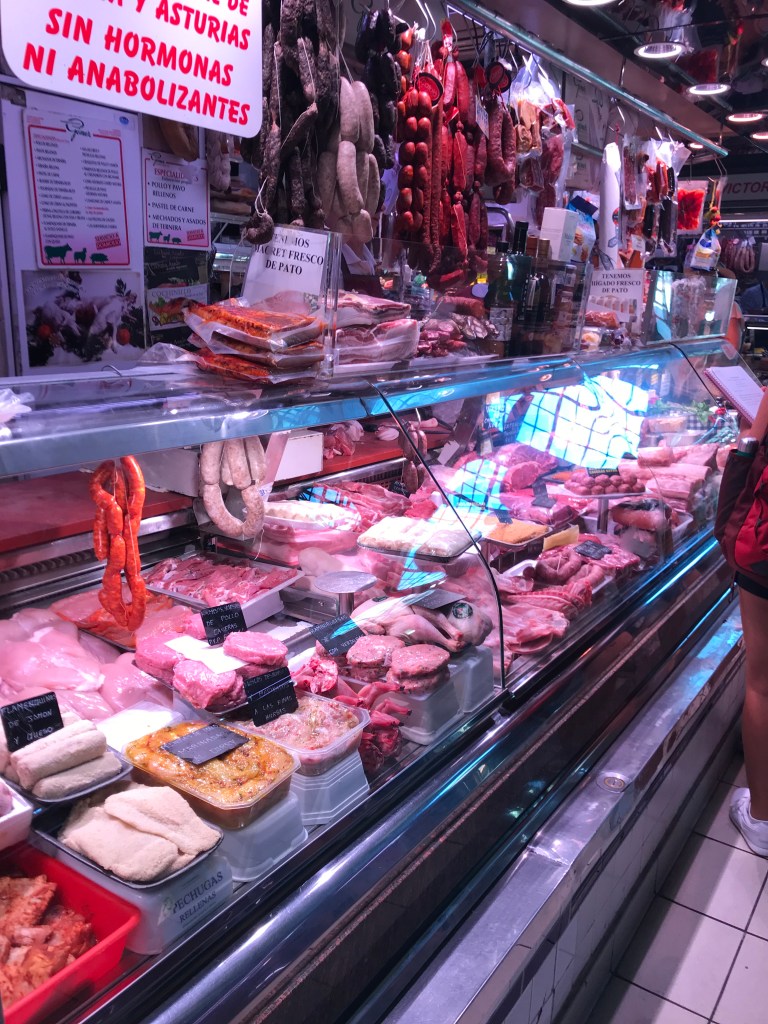
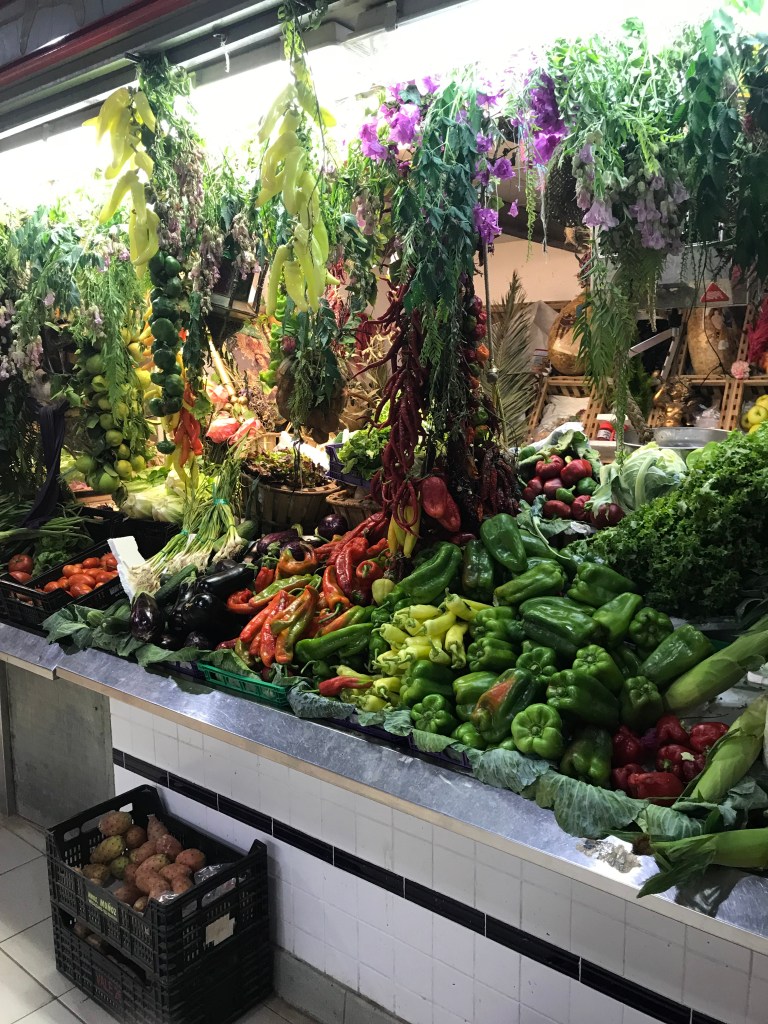
As part of my two-week intensive course, my class took a trip to the Mercado Central (Central Market), an OLD market that supplies the people of Alicante with fresh fish, meat, fruits, vegetables, and other goodies during the week (it’s closed during siesta time, of course). I would say, though, if you’re put off by the smell of fish, you might want to steer clear of this particular market.

It was really cool to get to see all of the vendors and their fresh products. As part of an assignment, we had to go around and ask certain vendors about their products and how they are made. Everyone was really friendly and open to questions.

I might even say some of the vendors were a little too friendly. I had asked a meat vendor why she hangs up her pork sausages (to increase the flavor and dry it out a little, in case you were wondering), and she asked if my group and I wanted to try some. I agreed, here to try new things and thinking she would surely give us some cooked or dried meat (the finished product) to try. Instead, she chopped off a small portion of the raw sausage and divided it into three pieces for my group.

Then she stood there, waiting for us to eat this raw meat.

Not wanting to be rude, I bit off a small piece and held it in my mouth, smiling closed-lipped at the lady. Once we moved past her stall, I pulled a napkin out of my backpack and spit it out. Needless to say, it tasted like everything you might imagine raw meat tasting like. I will not be trying that again.

I’m not sure if sampling raw meat is something that the people do here or if the lady was having a bit of fun at the expense of some Americans, but either way I’ve come away with a good story from the Mercado Central.

Something New

I recently finished my two-week intensive Spanish course. It was insane having a midterm the first Friday and then a final the next. Overall, I learned a lot of NEW vocabulary in the class and it was a good refresher on some everyday Spanish grammar. I absolutely adored my professor and am lucky to have her again for my Spanish and Latin American Literature class. Now that the real semester is beginning, I’m going to have more work to do and will start to have a more set schedule (both of which will be a nice change).

Something Borrowed

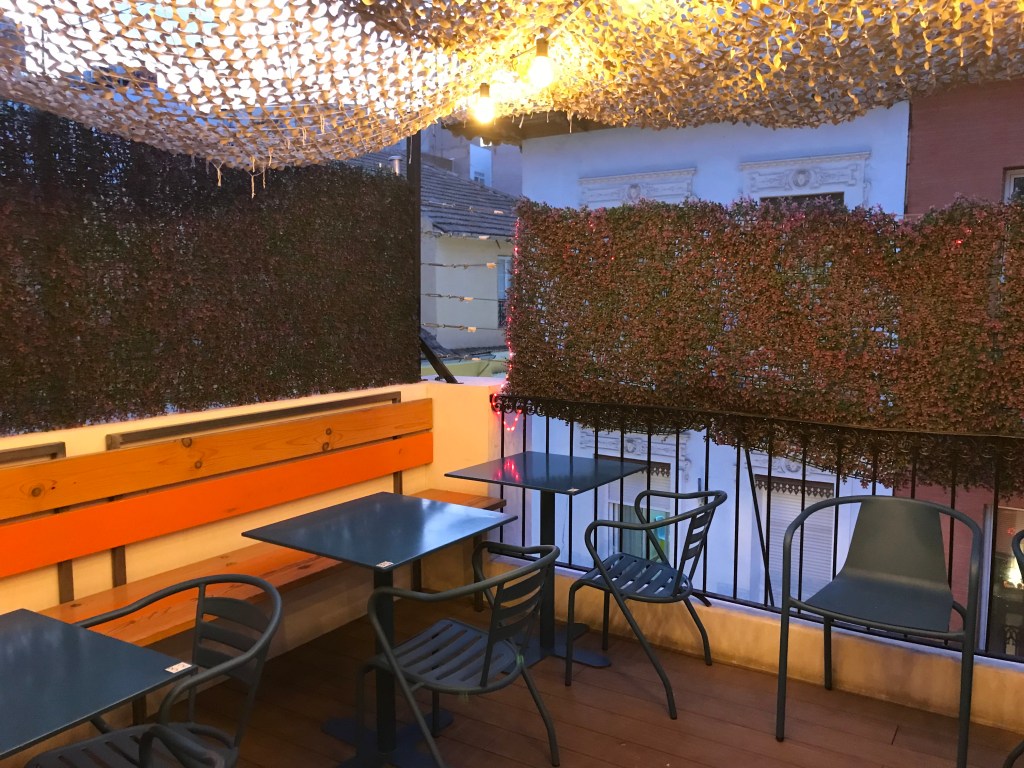
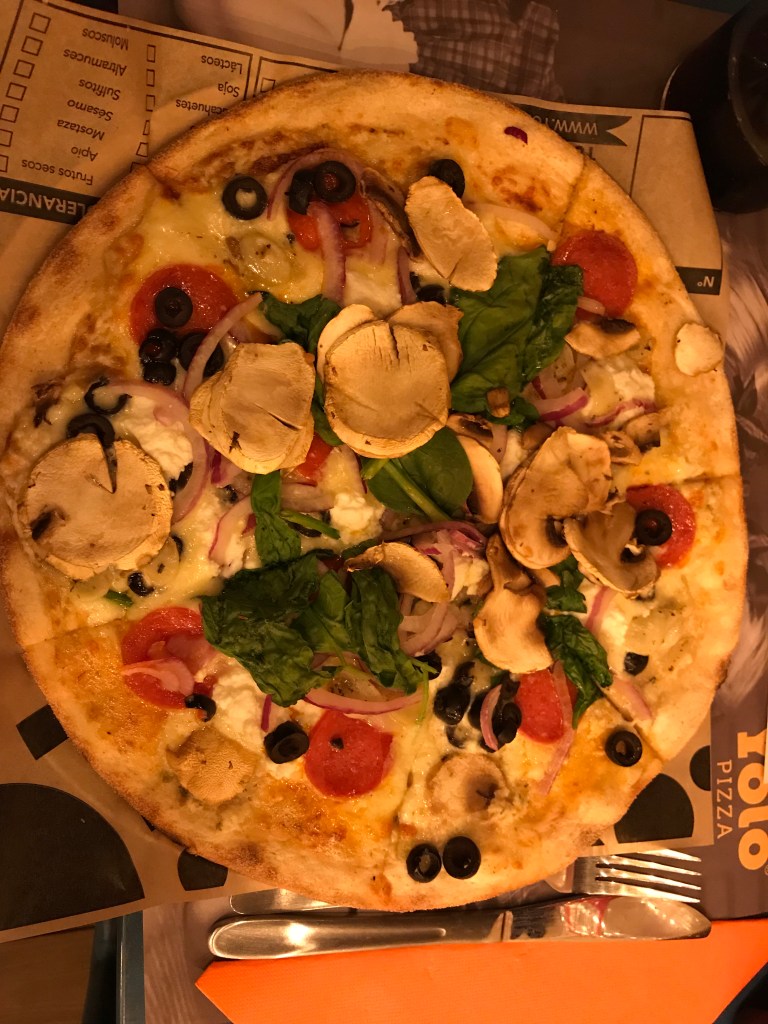
To celebrate the end of our intensive class, some of my classmates and I went out for pizza and it was amazing! We went to a place called YOLO Pizza on San Francisco Street (a street with lots of bars and restaurants). It’s five stories tall, with a tiny bit of seating on each level, and then there’s a terrace on the top level, which is where we sat.

Most of the pizza places here in Alicante have BORROWED their pizza style from Italy (so think: thin crust, oven-baked, really delicious), but this particular place is like MOD Pizza (you can choose which toppings you want, rather than having them pre-selected for you). Very delicious, definitely a good celebration meal!

Something Blue

That weekend, some of my classmates and I took a trip to Tabarca Island, a little island about an hour off Alicante’s coast where you can snorkel, eat, and relax. We took a ferry from Alicante to the island and it was a very rough ride. Numerous people got seasick (thankfully, no one in my group).

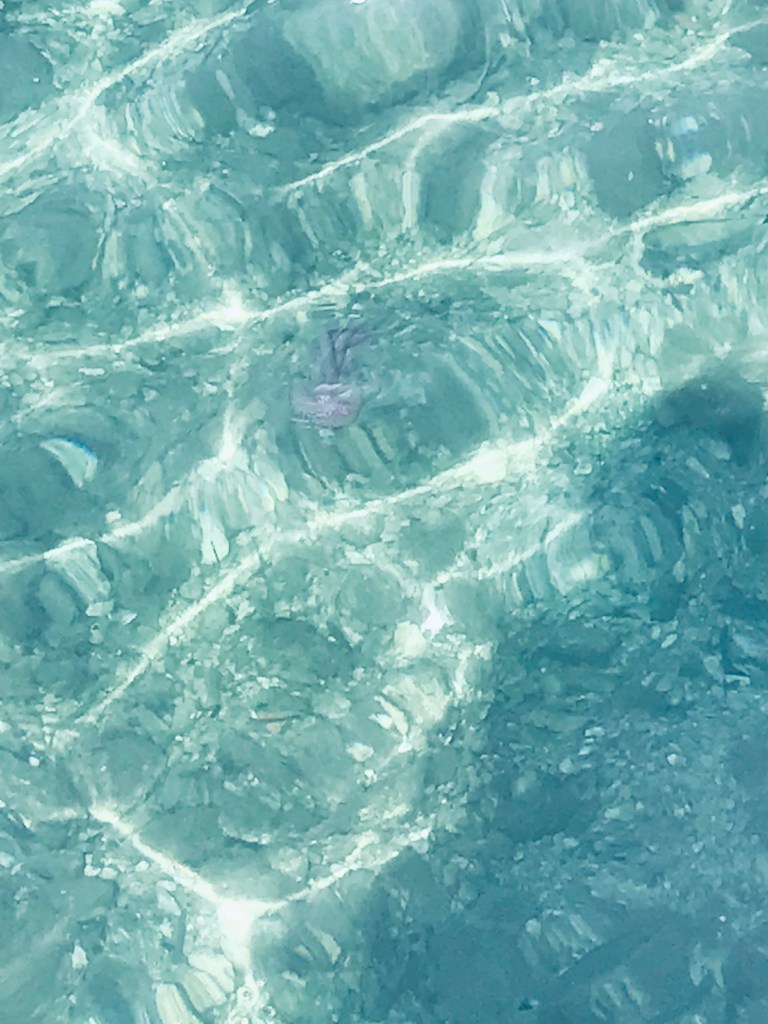
Once there, we were greeted by an unexpected (yet amazing) sight. Can you spot it?

Hint: it’s kind of pinkish purple.

I know my picture isn’t the most amazing quality, but if you look toward the middle and up a little, there’s a jellyfish there. The water on the island is very clear and BLUE, so it’s easy to spot both the jellyfish and the regular fish in the water!

The island itself is basically divided into two parts. On the left side is a nature reserve that has some smaller areas to picnic and lay out, as well as a lighthouse and a building that I think was used as a jail (I could never find a sign to tell me what exactly it was). There are lots of little trails that connect all these different places.

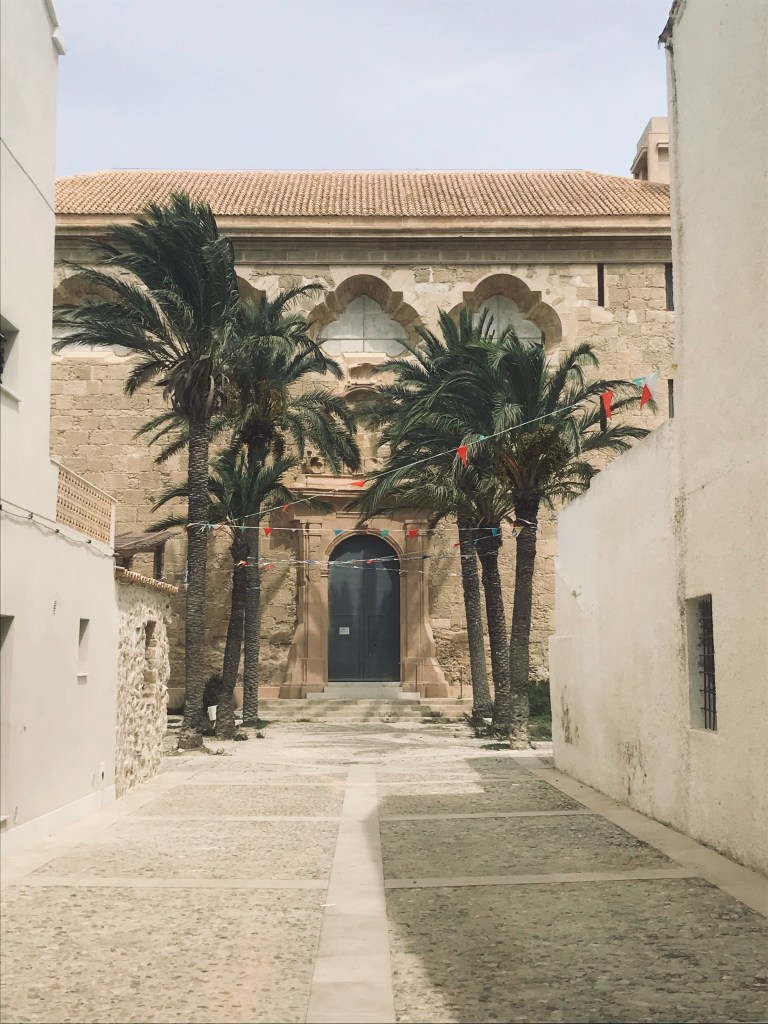
On the right side is the town with some tiny restaurants and shops. Also on this side is the beach (which was pretty rocky) and a museum (which wasn’t open when we were there sadly).

A church on the town side of the island
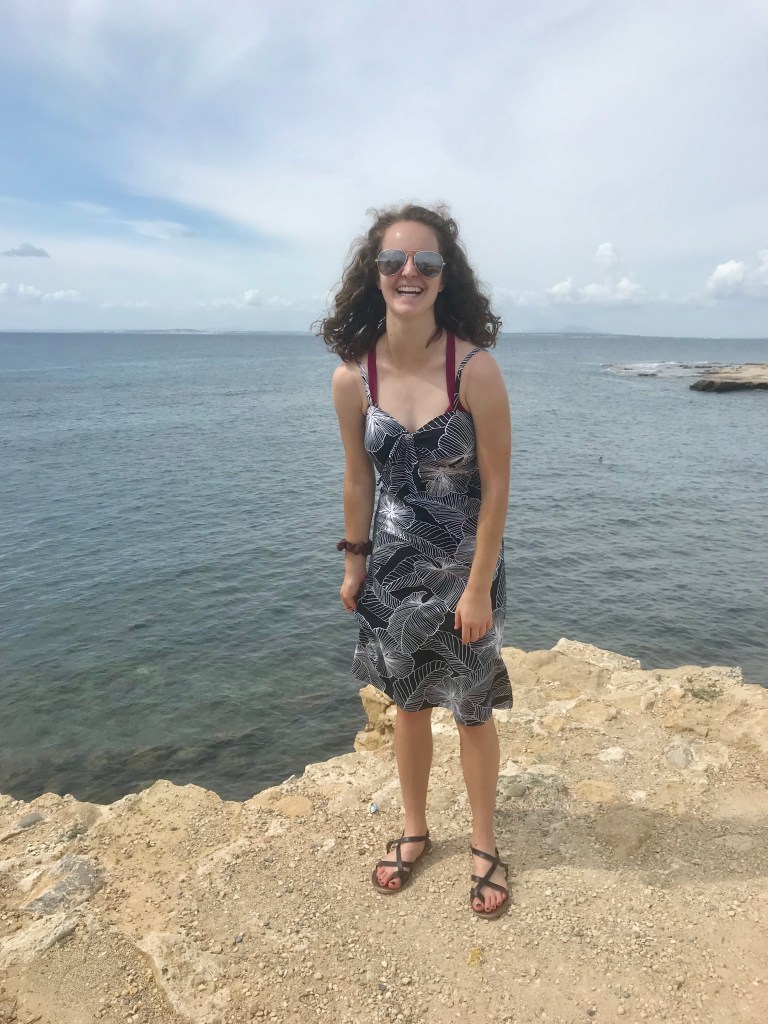
Yours truly

It was super fun to explore the island, but at the end of the day I was very tired!

Hope you enjoyed my version of “something old, something new, something borrowed, something blue!” Prayers for open eyes and mind would be appreciated!

¡Hasta luego!

— Grace

Design a site like this with WordPress.com
Get started